

Mastering CNC Milling and Turning: A Comprehensive Guide for Manufacturers
Mastering CNC Milling and Turning: A Comprehensive Guide for Manufacturers Table of Contents 1. Introduction to CNC Technology 2. What is CNC Milling? 3. What is CNC Turning? 4. Key Differences Between CNC Milling and Turning 5. Applications of CNC Milling and Turning in Manufacturing 6. Benefits of CNC Machining for Manufacturers 7. Best Practices for CNC Milling and
Dec 06,2025


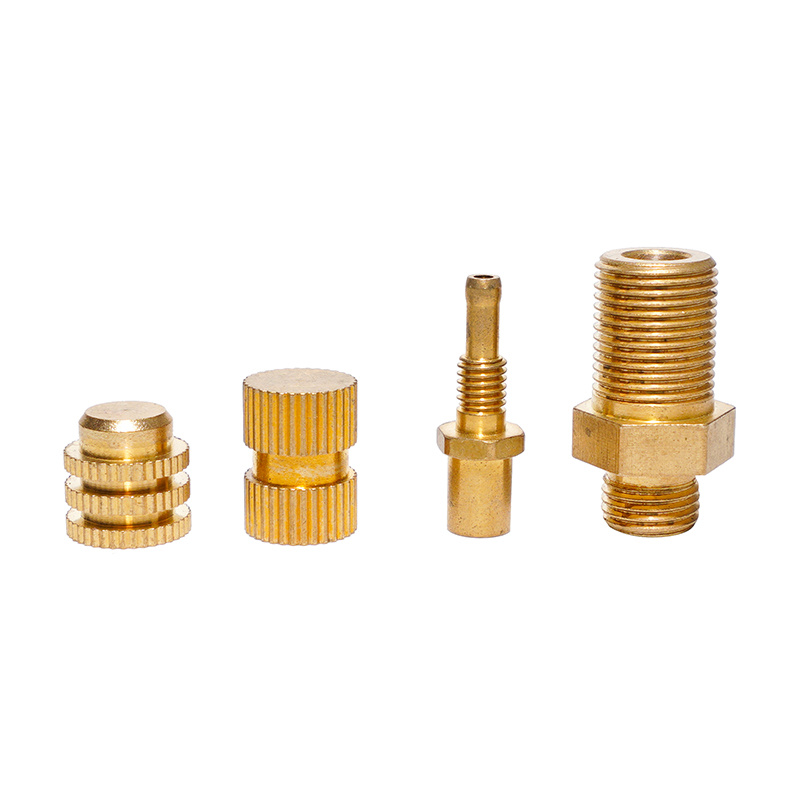
Mastering CNC Milling and Turning: A Comprehensive Guide for Manufacturers
Table of Contents
- 1. Introduction to CNC Technology
- 2. What is CNC Milling?
- 3. What is CNC Turning?
- 4. Key Differences Between CNC Milling and Turning
- 5. Applications of CNC Milling and Turning in Manufacturing
- 6. Benefits of CNC Machining for Manufacturers
- 7. Best Practices for CNC Milling and Turning
- 8. Future Trends in CNC Technology
- 9. Frequently Asked Questions about CNC Milling and Turning
- 10. Conclusion
1. Introduction to CNC Technology
In the fast-paced world of manufacturing, **Computer Numerical Control (CNC)** technology has emerged as a game-changer. CNC machines automate the control of machining tools through computer programming, significantly enhancing precision, efficiency, and versatility in production. This guide focuses on two of the most widely used CNC processes: **milling and turning**. Understanding these processes is crucial for manufacturers looking to optimize their production capabilities and remain competitive.
2. What is CNC Milling?
**CNC milling** is a subtractive manufacturing process that involves the use of rotating cutting tools to remove material from a workpiece. This process allows for the creation of complex shapes and features on various materials, including metals, plastics, and wood. The key components of a CNC milling machine include:
- **Spindle**: The rotating part that holds the cutting tool.
- **Table**: The platform where the workpiece is secured.
- **Axes**: CNC milling machines can operate in multiple axes, typically 3, 4, or 5, allowing for intricate designs.
**Milling** is particularly effective for producing parts with intricate geometries, such as slots, holes, and contours. The versatility of CNC milling makes it an essential process in industries ranging from aerospace to automotive.
3. What is CNC Turning?
**CNC turning**, on the other hand, is a process that involves rotating a workpiece while a stationary cutting tool removes material. This method is ideal for producing cylindrical or conical shapes. The primary components of a CNC turning machine include:
- **Lathe**: The machine that holds and rotates the workpiece.
- **Tool Post**: The section where the cutting tool is mounted.
- **Tailstock**: Supports the workpiece during the turning process.
CNC turning is widely used to create components such as shafts, bushings, and fittings. The precision and efficiency of CNC turning make it indispensable for manufacturers requiring high-volume production of round parts.
4. Key Differences Between CNC Milling and Turning
While both processes fall under the umbrella of CNC machining, they have distinct characteristics and applications:
4.1 Material Removal Approach
- **CNC Milling**: Material is removed from a stationary workpiece using a rotating cutter.
- **CNC Turning**: Material is removed from a rotating workpiece using a stationary cutting tool.
4.2 Typical Shapes Produced
- **CNC Milling**: Best for creating flat surfaces, slots, and complex geometries.
- **CNC Turning**: Ideal for cylindrical or conical shapes.
4.3 Machine Setup and Complexity
- **CNC Milling**: Generally involves more complex setups due to the multi-axis capabilities.
- **CNC Turning**: Typically simpler, focusing primarily on rotational movement.
5. Applications of CNC Milling and Turning in Manufacturing
Both CNC milling and turning are utilized across various industries, enhancing production capabilities and meeting specific needs:
5.1 Aerospace Industry
In the aerospace sector, precision is paramount. CNC milling is used to create components such as wing fittings and brackets, while turning is employed for producing turbine blades and axles.
5.2 Automotive Industry
The automotive industry benefits greatly from CNC technology, using milling for engine blocks and turning for drive shafts and gears.
5.3 Medical Devices
CNC machines play a crucial role in manufacturing medical devices, with milling used for complex surgical instruments and turning for prosthetic components.
5.4 Electronics
In electronics manufacturing, CNC milling is utilized for circuit boards, while turning is employed for housing and connectors.
6. Benefits of CNC Machining for Manufacturers
The adoption of CNC milling and turning brings several advantages to manufacturers:
6.1 Enhanced Precision
CNC machines provide unparalleled accuracy compared to manual machining, ensuring each part meets stringent specifications.
6.2 Increased Efficiency
Automation of the manufacturing process reduces cycle times, allowing for faster production without compromising quality.
6.3 Flexibility and Versatility
CNC machines can be easily reprogrammed for different tasks, making them suitable for both low and high-volume production runs.
6.4 Reduced Labor Costs
The automation of CNC processes decreases the need for manual labor, leading to lower operational costs.
7. Best Practices for CNC Milling and Turning
To maximize the benefits of CNC machining, manufacturers should adopt the following best practices:
7.1 Regular Maintenance
Routine maintenance of CNC machines is essential to ensure optimal performance and longevity.
7.2 Proper Tool Selection
Choosing the right cutting tools for the material and desired finish is crucial for achieving high-quality results.
7.3 Employee Training
Investing in employee training enhances the skill set of operators, leading to more efficient and safer machine operation.
7.4 Quality Control Measures
Implementing quality control procedures throughout the machining process helps identify and rectify defects early.
8. Future Trends in CNC Technology
As technology continues to evolve, several trends are shaping the future of CNC milling and turning:
8.1 Integration of Artificial Intelligence (AI)
AI can optimize machining processes by predicting tool wear and suggesting adjustments to enhance efficiency.
8.2 Increased Automation
The shift towards fully automated factories is leading to smarter CNC machines that require minimal human intervention.
8.3 Advanced Materials
The development of new materials necessitates the evolution of CNC processes, with machines adapting to handle more complex materials.
8.4 Internet of Things (IoT) Connectivity
IoT technology allows for real-time monitoring and data collection, leading to more informed decision-making in manufacturing.
9. Frequently Asked Questions about CNC Milling and Turning
9.1 What materials can be used in CNC milling and turning?
CNC milling and turning can be performed on a wide variety of materials, including metals (aluminum, steel, titanium), plastics, and composites.
9.2 How do I choose between CNC milling and turning for my project?
The choice depends on the shape and complexity of the part. CNC milling is ideal for complex geometries, while turning is suitable for cylindrical shapes.
9.3 What is the typical lead time for CNC machining projects?
Lead times vary based on complexity, material availability, and machine capacity, but most projects can be completed within a few days to weeks.
9.4 Can CNC machines handle high-volume production?
Yes, CNC machines are designed for high-volume production, offering consistent quality and efficiency over extended runs.
9.5 What are the cost factors associated with CNC machining?
Cost factors include material selection, machine setup time, complexity of the design, and the required finishing processes.
10. Conclusion
Understanding CNC milling and turning is vital for manufacturers aiming to enhance their production capabilities. Both processes offer unique advantages and applications that can be leveraged for a variety of industries. By adopting best practices and staying informed about future trends, manufacturers can optimize their operations, reduce costs, and maintain a competitive edge in the ever-evolving market. Embracing CNC technology not only enhances precision and efficiency but also opens the door to innovation and growth in manufacturing.

Address:
NanPi County, Cangzhou City, Hebei Province
OEM
From precise design drawings, to rigorous production processes, to strict quality testing, we always uphold the spirit of ingenuity, the pursuit of every detail of the perfect. Our team has a wealth of industry experience and technical strength, according to your specific needs, to provide personalized customized services, to ensure that each product can meet your expectations.