

Machining Excellence: Why CNC Milling and Turning Parts Are Key to Success
Machining Excellence: Why CNC Milling and Turning Parts Are Key to Success Table of Contents 1. Introduction: The Importance of CNC Machining in Today's Manufacturing 2. Understanding CNC Machining 2.1 What is CNC Machining? 2.2 Types of CNC Machining Processes 3. Benefits of CNC Milling and Turning Parts 3.1 Unmatched Precision 3.2 Enhanced Efficiency
Apr 09,2026


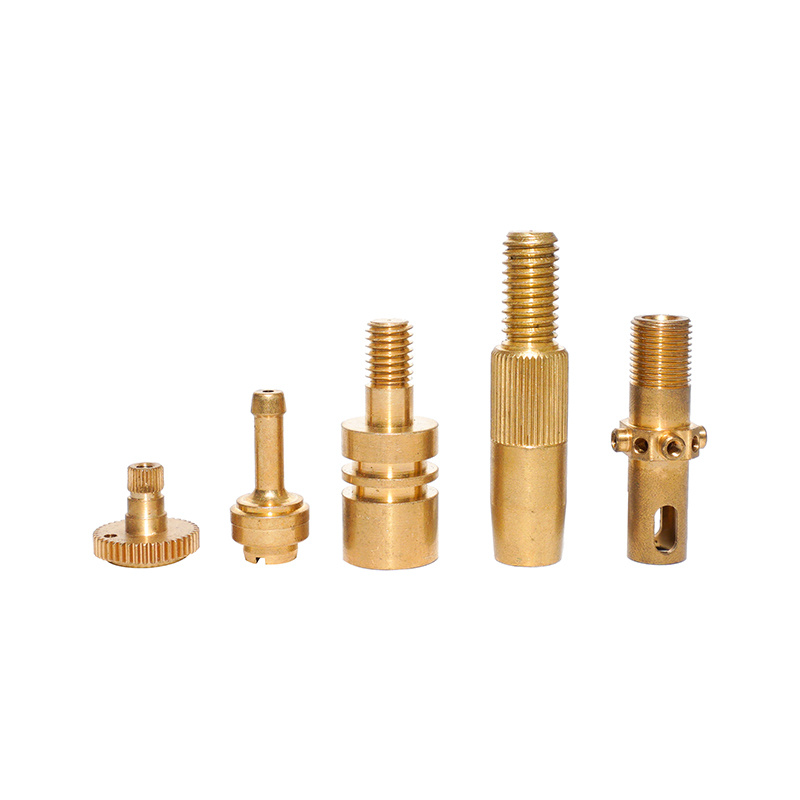
Machining Excellence: Why CNC Milling and Turning Parts Are Key to Success
Table of Contents
- 1. Introduction: The Importance of CNC Machining in Today's Manufacturing
- 2. Understanding CNC Machining
- 3. Benefits of CNC Milling and Turning Parts
- 4. Applications of CNC Milling and Turning
- 5. The Future of CNC Machining Technology
- 6. Challenges in CNC Machining
- 7. Frequently Asked Questions (FAQs)
- 8. Conclusion: Embracing CNC Machining for Success
1. Introduction: The Importance of CNC Machining in Today's Manufacturing
In the rapidly evolving world of manufacturing, **CNC milling and turning** technologies have emerged as pillars of success. As industries seek to enhance productivity, precision, and efficiency, understanding why CNC machining is pivotal can set companies apart. This article delves into the intricacies of **CNC milling and turning parts**, examining their benefits, applications, and future prospects.
2. Understanding CNC Machining
With the rise of automation and technology, **Computer Numerical Control (CNC) machining** has redefined the manufacturing landscape. Let's explore its core components.
2.1 What is CNC Machining?
**CNC machining** refers to the use of computers to control machine tools. This process allows for precise shaping of materials, including metals, plastics, and wood. Programs dictate the movements of the tools, ensuring consistent quality and minimizing human error.
2.2 Types of CNC Machining Processes
There are several processes under the CNC umbrella, each serving distinct purposes:
- **CNC Milling**: Involves rotating cutting tools to remove material from a workpiece.
- **CNC Turning**: Utilizes a lathe to rotate the workpiece against a stationary cutting tool, forming cylindrical parts.
- **CNC Plasma Cutting**: Employs a plasma torch to cut through metals with high precision.
- **CNC Laser Cutting**: Uses laser beams for intricate cuts and designs on various materials.
Each process is tailored to different manufacturing needs, underscoring CNC machining's versatility.
3. Benefits of CNC Milling and Turning Parts
CNC machining offers numerous advantages critical to manufacturing success.
3.1 Unmatched Precision
One of the standout benefits of CNC milling and turning parts is their ability to produce **highly precise components**. With tolerances as tight as ±0.001 inches, CNC machining is ideal for industries requiring exact specifications. This precision minimizes waste and ensures the quality of the final product.
3.2 Enhanced Efficiency
CNC machines can operate continuously, often without the need for human intervention. This leads to increased productivity and a **faster turnaround** for production runs. Automated processes streamline operations, allowing manufacturers to meet tight deadlines while maintaining quality.
3.3 Versatility in Manufacturing
CNC milling and turning can handle a wide range of materials and product designs. Whether it’s small-scale prototypes or large-scale production runs, CNC technology accommodates diverse manufacturing needs. This flexibility is invaluable in adapting to changing market demands.
4. Applications of CNC Milling and Turning
The applications of CNC machining are extensive, spanning various industries.
4.1 Aerospace Industry
In the aerospace sector, **CNC machined parts** are crucial for safety and performance. Components like turbine blades and mounting brackets require exceptional precision to withstand extreme conditions. CNC machining ensures these components meet rigorous industry standards.
4.2 Automotive Sector
The automotive industry relies heavily on CNC milling and turning for the production of intricate engine parts, chassis components, and other critical elements. The ability to produce lightweight yet durable parts contributes significantly to vehicle efficiency.
4.3 Medical Field
In the medical field, precision is paramount. CNC machining is employed to manufacture surgical tools, implants, and prosthetics, where any deviation could compromise patient safety. CNC technology enables the production of reliable, high-quality medical devices.
5. The Future of CNC Machining Technology
As technology continues to advance, the future of CNC machining looks promising. Innovations such as **artificial intelligence** and **machine learning** are set to enhance efficiency and precision further. Predictive analytics will allow manufacturers to anticipate maintenance needs, minimizing downtime.
Additionally, the integration of **Internet of Things (IoT)** technology will enable real-time monitoring and data analysis, leading to smarter manufacturing practices.
6. Challenges in CNC Machining
Despite its numerous advantages, CNC machining does face challenges.
- **High Initial Costs**: The investment in CNC machinery and training can be substantial, posing a barrier for small manufacturers.
- **Skill Shortages**: As technology evolves, the need for skilled operators and programmers becomes increasingly critical. Finding talent can be challenging in a competitive job market.
- **Maintenance and Upkeep**: Regular maintenance is essential to ensure optimal performance. Neglecting this can lead to costly downtime and repairs.
7. Frequently Asked Questions (FAQs)
What materials can be machined using CNC technology?
CNC machining is compatible with a variety of materials, including metals (aluminum, steel, titanium), plastics (PVC, acrylic), and composites.
How does CNC machining improve production speed?
CNC machines can operate continuously, allowing for high production rates. Automated processes reduce manual intervention, leading to faster turnaround times.
What industries benefit the most from CNC machining?
Key industries include aerospace, automotive, medical, and electronics, where precision and efficiency are paramount.
What is the difference between CNC milling and CNC turning?
CNC milling involves rotating cutting tools against a stationary workpiece, while CNC turning rotates the workpiece against a fixed cutting tool.
How does CNC machining ensure quality control?
CNC machines utilize precise programming, reducing human error. Quality control measures often include automated inspections and measurements throughout the production process.
8. Conclusion: Embracing CNC Machining for Success
In conclusion, CNC milling and turning parts play a critical role in achieving **machining excellence**. Their unmatched precision, efficiency, and versatility make them indispensable in modern manufacturing. By embracing CNC technology, businesses can position themselves for success in an increasingly competitive landscape. As we look to the future, continuous advancements in CNC machining will undoubtedly reshape the manufacturing industry, offering new opportunities for growth and innovation.

Address:
NanPi County, Cangzhou City, Hebei Province
OEM
From precise design drawings, to rigorous production processes, to strict quality testing, we always uphold the spirit of ingenuity, the pursuit of every detail of the perfect. Our team has a wealth of industry experience and technical strength, according to your specific needs, to provide personalized customized services, to ensure that each product can meet your expectations.