

Boosting Productivity with CNC Milling and Turning in Metal Stamping
Boosting Productivity with CNC Milling and Turning in Metal Stamping Introduction to CNC Technology in Metal Stamping In today's fast-paced manufacturing landscape, companies are continually seeking innovative solutions to enhance their productivity. **CNC (Computer Numerical Control)** technology has emerged as a game-changer in the metal stamping industry. By integrating CNC milling and turning
May 13,2026


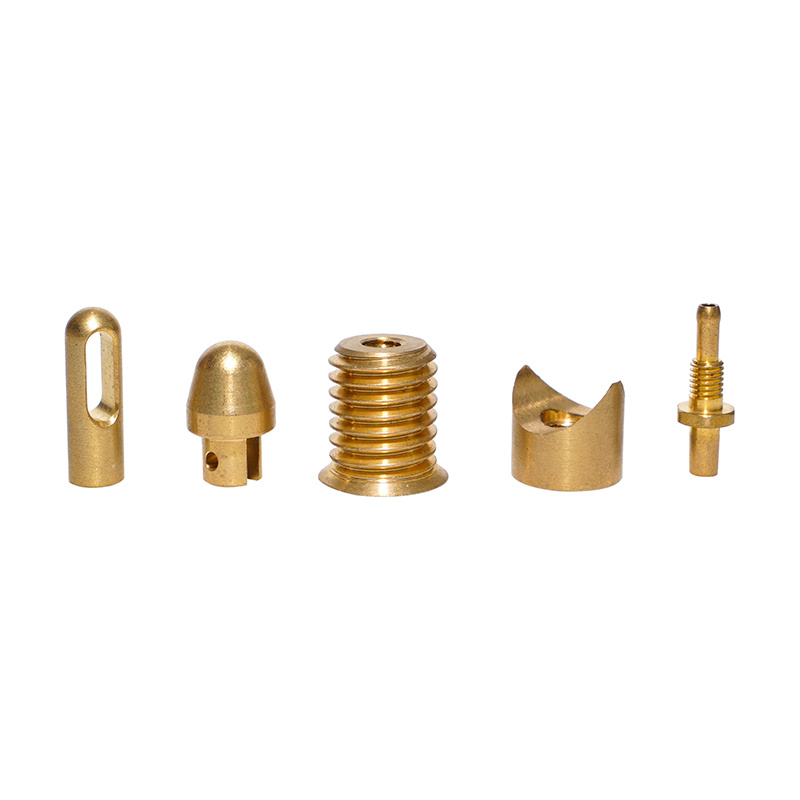
Boosting Productivity with CNC Milling and Turning in Metal Stamping
Introduction to CNC Technology in Metal Stamping
In today's fast-paced manufacturing landscape, companies are continually seeking innovative solutions to enhance their productivity. **CNC (Computer Numerical Control)** technology has emerged as a game-changer in the metal stamping industry. By integrating CNC milling and turning into metal stamping processes, manufacturers can achieve unprecedented levels of precision, efficiency, and flexibility.
This article delves into how CNC technologies can boost productivity in metal stamping, examining their advantages, applications, and best practices for successful integration.
Understanding CNC Milling and Turning
CNC milling and turning are two distinct yet complementary machining processes that play vital roles in metal stamping.
What is CNC Milling?
CNC milling is a subtractive manufacturing process where rotary cutters remove material from a workpiece. The cutting tool moves along multiple axes, allowing for highly complex shapes and designs. **Key benefits of CNC milling** include:
- **Precision:** CNC milling achieves tight tolerances, which is essential for metal stamping applications.
- **Versatility:** The ability to work with various materials, including metals, plastics, and composites.
- **Automation:** Reduced manual intervention leads to increased efficiency and lower risk of errors.
What is CNC Turning?
CNC turning, on the other hand, involves rotating a workpiece against a stationary cutting tool. This process is particularly effective for producing cylindrical parts with smooth finishes. **Advantages of CNC turning** include:
- **High Efficiency:** Ideal for producing large volumes of identical components quickly.
- **Surface Quality:** CNC turning provides superior surface finishes, reducing the need for secondary operations.
- **Complex Geometries:** Capable of creating intricate shapes and features that enhance part functionality.
The Role of CNC in Metal Stamping
Metal stamping is a crucial manufacturing process used to shape and cut metal sheets into desired forms. Integrating CNC milling and turning into metal stamping processes offers several benefits that can significantly boost productivity.
Increased Accuracy and Consistency
One of the primary advantages of using CNC technology in metal stamping is the enhanced accuracy and consistency it provides. CNC machines operate based on precise digital instructions, ensuring that every part produced meets exact specifications. This level of precision reduces the likelihood of defects and rework, ultimately saving time and costs.
Streamlined Production Processes
CNC milling and turning can streamline production by minimizing setup times and reducing the number of manual interventions required. With CNC technology, manufacturers can switch between different tasks seamlessly, allowing for shorter lead times and improved responsiveness to customer demands.
Enhanced Flexibility and Customization
CNC machines can be easily reprogrammed to accommodate different designs and specifications. This flexibility allows manufacturers to respond to changing market demands and customer preferences quickly. Whether it's a small batch of custom parts or a large production run, CNC technology enables efficient adaptation to various projects.
Applications of CNC Milling and Turning in Metal Stamping
CNC milling and turning have a wide range of applications in the metal stamping sector, contributing to enhanced productivity and quality.
Tooling and Die Manufacturing
CNC machining is instrumental in creating tooling and dies used in metal stamping. The ability to produce intricate shapes with high precision ensures that stamping tools perform optimally, reducing wear and tear and extending their lifespan.
Complex Component Production
Many components used in automotive, aerospace, and industrial applications require high precision and complexity. CNC milling and turning enable the production of intricate geometries and features, meeting the stringent demands of various industries.
Rapid Prototyping
CNC technology facilitates rapid prototyping, allowing manufacturers to test designs quickly before full-scale production. This agility is vital for innovation and can lead to faster time-to-market for new products.
Best Practices for Implementing CNC Milling and Turning
To fully leverage the advantages of CNC milling and turning in metal stamping, manufacturers should adhere to several best practices.
Invest in Quality Equipment
Choosing high-quality CNC machines and tools is critical for achieving the desired results. Investing in state-of-the-art equipment ensures reliability, precision, and efficiency in the manufacturing process.
Train Your Workforce
A skilled workforce is essential for maximizing the potential of CNC technology. Providing comprehensive training for operators and programmers enhances their understanding of CNC systems and helps them troubleshoot issues effectively.
Embrace Software Solutions
Utilizing advanced software solutions for CNC programming and machine monitoring can significantly enhance productivity. Software tools simplify the programming process, optimize machining paths, and enable real-time monitoring of operations.
Regular Maintenance and Upgrades
To maintain optimal performance, regular maintenance of CNC machines is paramount. Implementing a preventive maintenance schedule can minimize downtime and extend the lifespan of the equipment. Additionally, keeping software and tools updated ensures compatibility and efficiency.
Challenges and Solutions in CNC Integration
While the benefits of CNC milling and turning in metal stamping are substantial, challenges may arise during integration.
High Initial Investment
The upfront cost of CNC machinery can be a barrier for some manufacturers. However, this investment pays off in the long run through increased efficiency and reduced labor costs.
Transitioning from Traditional Methods
Transitioning from traditional manufacturing methods to CNC can be daunting. To ease this process, companies should gradually introduce CNC technology, starting with simpler tasks and scaling up as operators become more comfortable.
Maintaining Quality Control
As production speeds increase, maintaining quality control can become challenging. Implementing robust quality assurance protocols and utilizing in-process monitoring systems can help ensure that produced parts meet specifications.
Future Trends in CNC Milling and Turning
The landscape of CNC technology is continuously evolving. Staying ahead of trends can position manufacturers favorably in the competitive market.
Automation and Smart Manufacturing
The future of manufacturing lies in automation and smart technologies. Integrating CNC with IoT (Internet of Things) can provide real-time insights into production processes, enhancing efficiency and reducing waste.
Advanced Materials Processing
As new materials, such as composites and advanced alloys, are introduced, CNC technology must adapt. Continuous research and development in CNC machining will enable manufacturers to work with these innovative materials effectively.
Conclusion
Incorporating CNC milling and turning into metal stamping processes offers substantial benefits that can boost productivity, enhance precision, and streamline operations. By investing in quality equipment, training personnel, and embracing emerging trends, manufacturers can harness the full potential of CNC technology. As the industry continues to evolve, staying ahead of the curve will ensure competitiveness and success in the dynamic world of metal stamping.
FAQs
1. What is the primary advantage of using CNC technology in metal stamping?
The primary advantage of CNC technology in metal stamping is its ability to provide high precision and consistency, reducing the likelihood of defects and rework.
2. How does CNC milling differ from CNC turning?
CNC milling involves removing material from a workpiece using rotary cutters, while CNC turning involves rotating the workpiece against a stationary cutting tool to create cylindrical shapes.
3. What industries benefit the most from CNC milling and turning in metal stamping?
Industries such as automotive, aerospace, and industrial manufacturing benefit greatly from CNC milling and turning due to their need for high precision and complex parts.
4. How can manufacturers ensure the successful integration of CNC technology?
Manufacturers can ensure successful integration by investing in quality equipment, providing comprehensive training for operators, and implementing robust maintenance schedules.
5. What future trends should manufacturers be aware of regarding CNC technology?
Manufacturers should be aware of trends such as automation, smart manufacturing, and advancements in materials processing as they will shape the future of CNC technology in the metal stamping industry.

Address:
NanPi County, Cangzhou City, Hebei Province
OEM
From precise design drawings, to rigorous production processes, to strict quality testing, we always uphold the spirit of ingenuity, the pursuit of every detail of the perfect. Our team has a wealth of industry experience and technical strength, according to your specific needs, to provide personalized customized services, to ensure that each product can meet your expectations.