
Enhancing Product Performance with Stretch Expansion Stamping Techniques
Enhancing Product Performance with Stretch Expansion Stamping Techniques Table of Contents 1. Introduction to Stretch Expansion Stamping Techniques 2. Understanding the Basics of Stretch Expansion Stamping 2.1 Definition and Process Overview 2.2 Materials Used in Stretch Expansion Stamping 3. Advantages of Stretch Expansion Stamping Techniques
May 18,2026


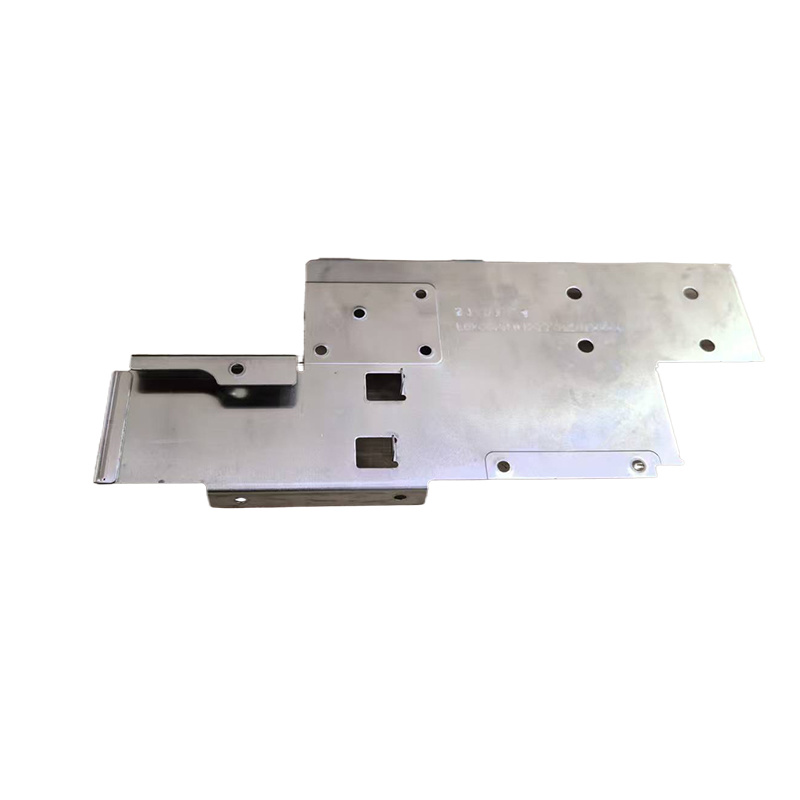
Enhancing Product Performance with Stretch Expansion Stamping Techniques
Table of Contents
- 1. Introduction to Stretch Expansion Stamping Techniques
- 2. Understanding the Basics of Stretch Expansion Stamping
- 3. Advantages of Stretch Expansion Stamping Techniques
- 4. Applications in Manufacturing
- 5. Techniques for Effective Stretch Expansion Stamping
- 6. Challenges in Stretch Expansion Stamping
- 7. The Future of Stretch Expansion Stamping Techniques
- 8. Conclusion
- 9. Frequently Asked Questions (FAQs)
1. Introduction to Stretch Expansion Stamping Techniques
In the world of manufacturing, **innovation** plays a critical role in improving product performance and satisfying market demands. Among various techniques, **stretch expansion stamping** stands out as a method that significantly boosts the efficiency and quality of metal components. As industries evolve, the need for advanced manufacturing techniques becomes imperative. By mastering stretch expansion stamping, manufacturers can not only enhance product performance but also ensure they remain competitive in a rapidly changing landscape.
2. Understanding the Basics of Stretch Expansion Stamping
2.1 Definition and Process Overview
Stretch expansion stamping is a specialized metal forming process that involves stretching and expanding a sheet metal blank to create complex geometries while maintaining precise dimensional control. The technique combines features of **traditional stamping** and **die forming**, resulting in enhanced mechanical properties and improved surface finish. The process begins with a sheet metal blank, which is placed into a specially designed die. Through controlled stretching and expansion, the blank conforms to the die shape, achieving the desired design specifications.
2.2 Materials Used in Stretch Expansion Stamping
The choice of material is crucial in stretch expansion stamping. Common materials include **aluminum**, **steel**, and **copper**, each offering unique advantages. Aluminum is favored for its lightweight properties, making it ideal for aerospace and automotive applications. Steel, on the other hand, provides excellent strength and durability, which is essential in heavy machinery and structural components. The selection of material directly impacts the performance, cost, and application suitability of the final product.
3. Advantages of Stretch Expansion Stamping Techniques
3.1 Enhancing Product Performance
One of the primary benefits of stretch expansion stamping is its ability to enhance product performance. The process improves the mechanical properties of the metal components, such as strength and ductility. By stretching the material, manufacturers can achieve an optimized grain structure, leading to improved fatigue resistance and overall performance. Additionally, **uniform thickness distribution** throughout the component is maintained, reducing the likelihood of defects and failures.
3.2 Cost-Effectiveness of the Process
Cost-effectiveness is another significant advantage of stretch expansion stamping. By combining multiple operations into a single process, manufacturers can reduce production time and costs. The efficient use of materials minimizes waste, further contributing to lower expenses. Furthermore, the high-quality output reduces the need for secondary processing, streamlining the overall manufacturing workflow.
4. Applications in Manufacturing
4.1 Industries Benefiting from Stretch Expansion Stamping
Stretch expansion stamping finds applications across various industries, including:
- **Automotive**: Components such as brackets, housings, and structural parts.
- **Aerospace**: Lightweight, high-strength components that meet stringent safety standards.
- **Electronics**: Enclosures and heat sinks requiring precise dimensions and finishes.
- **Heavy Machinery**: Robust parts that endure high-stress environments.
Each of these industries benefits from the unique characteristics of stretch expansion stamping, leading to enhanced product reliability and performance.
4.2 Types of Products Produced
The versatility of stretch expansion stamping allows for the production of a wide range of products, including:
- **Chassis parts** for vehicles.
- **Heat exchangers** for HVAC systems.
- **Mounting brackets** for electronic devices.
- **Custom enclosures** for sensitive electronics.
This diverse product range highlights the adaptability of the technique in meeting the specific needs of different sectors.
5. Techniques for Effective Stretch Expansion Stamping
5.1 Specialized Equipment Required
Implementing stretch expansion stamping requires specialized equipment, including:
- **Hydraulic presses**: For applying the necessary force during the stamping process.
- **Custom dies**: Designed for specific components to ensure precision and repeatability.
- **Stretching tools**: For controlling the expansion of the material during processing.
Investing in high-quality equipment is crucial for achieving optimal results and maintaining competitive advantage.
5.2 Setup and Process Optimization
Proper setup and optimization of the stamping process are vital for success. Here are some best practices:
- **Material Selection**: Choose the right material based on the application requirements.
- **Die Design**: Ensure die designs are compatible with the material and intended product.
- **Process Parameters**: Adjust parameters such as pressure, speed, and temperature for optimal results.
By following these guidelines, manufacturers can achieve efficient and effective stretch expansion stamping, resulting in high-quality products.
6. Challenges in Stretch Expansion Stamping
6.1 Common Issues and Solutions
Despite its advantages, stretch expansion stamping may present some challenges, including:
- **Material Fracture**: Over-stretching can lead to material failure. Solution: Conduct thorough testing to establish safe stretch limits.
- **Dimensional Accuracy**: Inconsistent results can occur if equipment is not calibrated correctly. Solution: Regular maintenance and calibration of machinery are essential.
- **Cost of Equipment**: Initial investment in specialized equipment can be high. Solution: Consider leasing or phased investments to manage costs effectively.
By proactively addressing these challenges, manufacturers can maximize the benefits of stretch expansion stamping.
7. The Future of Stretch Expansion Stamping Techniques
The future of stretch expansion stamping looks promising as technology continues to advance. Innovations such as **smart manufacturing**, **automation**, and **AI-driven analytics** are expected to enhance process efficiency and product quality. As industries increasingly prioritize sustainability, the ability to optimize material use and reduce waste will be critical. Additionally, as the demand for customized products grows, stretch expansion stamping will play a key role in enabling manufacturers to meet these diverse requirements swiftly and effectively.
8. Conclusion
In summary, stretch expansion stamping techniques offer a unique opportunity for manufacturers to enhance product performance, improve material efficiency, and adapt to changing market needs. By understanding the process, investing in the right equipment, and addressing potential challenges, companies can leverage this innovative technique to stay competitive in their respective industries. As we move forward, embracing technology and continuous improvement will be paramount in realizing the full potential of stretch expansion stamping techniques.
9. Frequently Asked Questions (FAQs)
1. What is stretch expansion stamping?
Stretch expansion stamping is a metal forming process that involves stretching and expanding a sheet metal blank to create complex shapes while maintaining precise dimensional control.
2. What materials are commonly used in stretch expansion stamping?
Common materials include aluminum, steel, and copper, each offering different advantages based on the application requirements.
3. What industries benefit from stretch expansion stamping?
Industries such as automotive, aerospace, electronics, and heavy machinery benefit significantly from this technology.
4. What are the key advantages of using stretch expansion stamping?
Key advantages include enhanced product performance, cost-effectiveness, improved mechanical properties, and reduced material waste.
5. What challenges might manufacturers face with stretch expansion stamping?
Common challenges include material fracture, dimensional accuracy issues, and the high cost of specialized equipment. Solutions involve careful planning, regular maintenance, and equipment calibration.
In the competitive landscape of manufacturing, staying informed and adopting innovative techniques like stretch expansion stamping is essential for success. By implementing these methods, businesses can enhance their product offerings and maintain a strong market position.

Address:
NanPi County, Cangzhou City, Hebei Province
OEM
From precise design drawings, to rigorous production processes, to strict quality testing, we always uphold the spirit of ingenuity, the pursuit of every detail of the perfect. Our team has a wealth of industry experience and technical strength, according to your specific needs, to provide personalized customized services, to ensure that each product can meet your expectations.