

The Impact of Gas Turbine Flow Meters on Environmental Monitoring
The Impact of Gas Turbine Flow Meters on Environmental Monitoring Table of Contents 1. Introduction to Gas Turbine Flow Meters 2. Understanding How Gas Turbine Flow Meters Work 3. Advantages of Using Gas Turbine Flow Meters 4. Applications of Gas Turbine Flow Meters in Various Industries 5. The Environmental Impact of Flow Measurement 6. Ensuring Regulatory C
May 24,2026


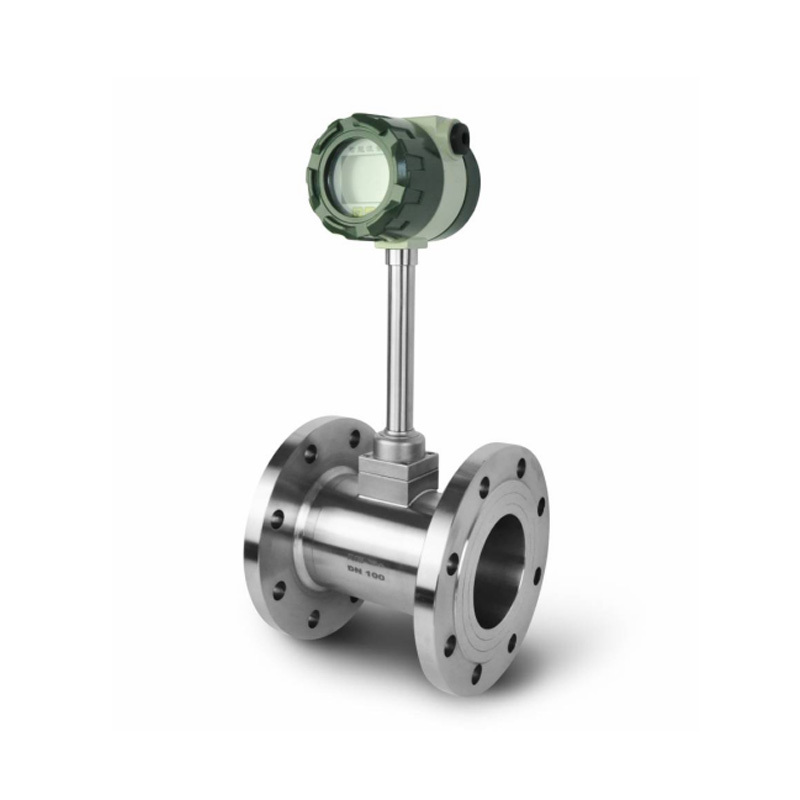
The Impact of Gas Turbine Flow Meters on Environmental Monitoring
Table of Contents
- 1. Introduction to Gas Turbine Flow Meters
- 2. Understanding How Gas Turbine Flow Meters Work
- 3. Advantages of Using Gas Turbine Flow Meters
- 4. Applications of Gas Turbine Flow Meters in Various Industries
- 5. The Environmental Impact of Flow Measurement
- 6. Ensuring Regulatory Compliance through Accurate Measurements
- 7. Future Trends in Flow Measurement Technology
- 8. FAQs on Gas Turbine Flow Meters
- 9. Conclusion
1. Introduction to Gas Turbine Flow Meters
In today's world, accurate measurement of gas and liquid flows is crucial, especially in industries that affect environmental health. Gas turbine flow meters have emerged as a leading solution for achieving precise measurements while minimizing environmental impact. These devices measure the flow rate of fluids by utilizing the kinetic energy of the flowing gas or liquid, thus making them invaluable in sectors such as oil and gas, water management, and industrial manufacturing.
2. Understanding How Gas Turbine Flow Meters Work
Gas turbine flow meters operate on a relatively simple principle. They consist of a rotor that spins when fluid passes through, with the rotational speed being directly proportional to the flow velocity. The basic components include:
2.1 Rotor Assembly
The rotor assembly is at the core of the gas turbine flow meter. It features multiple blades that interact with the flowing medium. As the fluid flows past, it causes the rotor to spin, generating a measurable rotation speed.
2.2 Sensors and Transducers
Sensors and transducers are essential for converting the mechanical motion of the rotor into electrical signals. These signals are then processed to determine flow rates accurately.
2.3 Electronic Processing Unit
The electronic processing unit interprets the signals from the sensors, converting them into readable data that can be displayed and analyzed. Modern flow meters often come equipped with advanced software to enhance accuracy and real-time monitoring.
By employing these components, gas turbine flow meters deliver precise flow measurements that are crucial for both operational efficiency and environmental monitoring.
3. Advantages of Using Gas Turbine Flow Meters
Gas turbine flow meters offer several advantages that make them preferable in various applications, particularly in environmental monitoring:
3.1 High Accuracy and Reliability
One of the most significant benefits of gas turbine flow meters is their high accuracy, often exceeding ±1% of the measured value. This precision is vital for industries that require exact measurements for compliance with environmental regulations.
3.2 Wide Measurement Range
These flow meters can handle a wide range of flow rates, making them suitable for diverse applications. Whether measuring low flow rates in water treatment or high flow rates in industrial processes, gas turbine flow meters are versatile enough to adapt.
3.3 Low Pressure Drop
Gas turbine flow meters have a low-pressure drop across the device, which means they do not significantly impede the flow of liquids or gases. This characteristic is particularly advantageous in situations where maintaining pressure is critical.
3.4 Minimal Maintenance
Due to their robust design, gas turbine flow meters require minimal maintenance. This reliability translates to lower operational costs and less downtime, vital for industries that cannot afford interruptions.
4. Applications of Gas Turbine Flow Meters in Various Industries
Gas turbine flow meters find applications in numerous industries, contributing significantly to both operational efficiency and environmental monitoring:
4.1 Oil and Gas Industry
In the oil and gas sector, accurate flow measurement is essential for monitoring production rates and ensuring compliance with environmental regulations. Gas turbine flow meters help track the flow of hydrocarbons and other gases, minimizing emissions and enhancing safety.
4.2 Water and Wastewater Treatment
These flow meters play a critical role in water management, helping facilities monitor flow rates in treatment plants. Accurate measurements are pivotal for detecting leaks and ensuring that wastewater is treated properly before discharge.
4.3 Chemical Processing
In chemical production, gas turbine flow meters help maintain the correct ratios of raw materials, ensuring product quality while minimizing waste. Their accuracy also aids in reducing the environmental impact of chemical processes.
4.4 HVAC Systems
In heating, ventilation, and air conditioning (HVAC) systems, gas turbine flow meters monitor fluid flow rates, contributing to energy efficiency and compliance with environmental standards.
5. The Environmental Impact of Flow Measurement
The environmental impact of accurate flow measurement cannot be understated. Gas turbine flow meters contribute to sustainability efforts in several ways:
5.1 Reducing Emissions
By ensuring accurate measurements, gas turbine flow meters help industries reduce harmful emissions. This is critical for complying with environmental regulations and protecting air quality.
5.2 Enhancing Resource Management
Effective flow measurement allows industries to manage their resources better. Accurate data on water and gas usage leads to more efficient operations and less waste.
5.3 Supporting Renewable Energy Initiatives
Gas turbine flow meters aid in monitoring the flow of fuels used in renewable energy processes, such as biofuels. This support is vital for promoting cleaner energy sources and reducing our reliance on fossil fuels.
6. Ensuring Regulatory Compliance through Accurate Measurements
Regulatory compliance is a top priority for industries involved in environmental monitoring. Gas turbine flow meters assist companies in meeting stringent regulations set by environmental agencies:
6.1 Meeting Environmental Standards
Accurate flow measurements are essential for adhering to environmental standards regarding emissions and discharge limits. Gas turbine flow meters provide the necessary data for compliance reporting.
6.2 Auditing and Reporting
With precise measurements, companies can conduct regular audits and generate reports that demonstrate compliance with environmental regulations. This transparency is increasingly demanded by regulatory bodies and consumers alike.
7. Future Trends in Flow Measurement Technology
The future of gas turbine flow meters is promising, with several trends shaping their development and application:
7.1 Integration with Smart Technology
As industries embrace the Internet of Things (IoT), the integration of gas turbine flow meters with smart technology will enhance monitoring capabilities. Real-time data will allow for predictive maintenance and increased operational efficiency.
7.2 Enhanced Data Analytics
The advancement of data analytics will enable industries to extract deeper insights from flow measurement data. This can lead to improved decision-making and optimized processes, further reducing environmental impacts.
7.3 Miniaturization and Portability
The trend towards miniaturization will lead to more portable gas turbine flow meters, making them accessible for various applications, including field measurements and remote monitoring in environmental studies.
8. FAQs on Gas Turbine Flow Meters
8.1 What is a gas turbine flow meter?
A gas turbine flow meter is a device that measures the flow rate of gases and liquids using a rotating rotor to determine velocity, thereby calculating the flow rate.
8.2 What industries commonly use gas turbine flow meters?
Industries such as oil and gas, water treatment, chemical processing, and HVAC systems frequently utilize gas turbine flow meters for accurate flow measurement.
8.3 How do gas turbine flow meters compare to other types of flow meters?
Gas turbine flow meters typically offer higher accuracy and lower pressure drops compared to other types, such as orifice plate or positive displacement flow meters.
8.4 What are the maintenance requirements for gas turbine flow meters?
Gas turbine flow meters require minimal maintenance, but regular calibration and inspections are recommended to ensure continued accuracy.
8.5 Can gas turbine flow meters be used for both gas and liquid measurements?
Yes, gas turbine flow meters are designed to measure both gas and liquid flow accurately, making them versatile for various applications.
9. Conclusion
Gas turbine flow meters play a pivotal role in environmental monitoring, providing industries with the tools needed for accurate flow measurement. Their high accuracy, reliability, and ability to support compliance with environmental regulations make them indispensable in today’s industrial landscape. As technology continues to evolve, these devices will likely become even more integral to sustainability efforts, ensuring that businesses can operate efficiently while minimizing their environmental impact. Embracing the advancements in flow measurement technology will not only enhance operational performance but also contribute to a greener, more sustainable future.
Previous:

Address:
NanPi County, Cangzhou City, Hebei Province
OEM
From precise design drawings, to rigorous production processes, to strict quality testing, we always uphold the spirit of ingenuity, the pursuit of every detail of the perfect. Our team has a wealth of industry experience and technical strength, according to your specific needs, to provide personalized customized services, to ensure that each product can meet your expectations.