

How CNC Milling and Turning Parts Can Reduce Production Costs
How CNC Milling and Turning Parts Can Reduce Production Costs Table of Contents Introduction to CNC Machining Understanding CNC Milling and Turning Benefits of CNC Machining in Manufacturing Cost Reduction Strategies through CNC Machining Enhancing Precision and Quality with CNC Streamlining Production Processes Real-World Examples of Cost Reduction Frequently Aske
Jul 11,2026


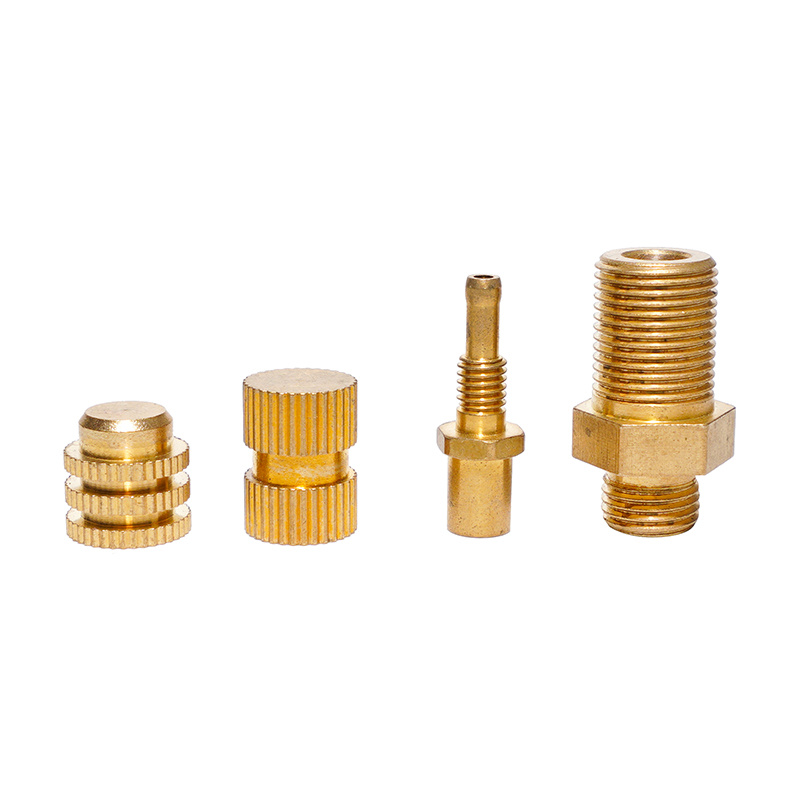
How CNC Milling and Turning Parts Can Reduce Production Costs
Table of Contents
- Introduction to CNC Machining
- Understanding CNC Milling and Turning
- Benefits of CNC Machining in Manufacturing
- Cost Reduction Strategies through CNC Machining
- Enhancing Precision and Quality with CNC
- Streamlining Production Processes
- Real-World Examples of Cost Reduction
- Frequently Asked Questions
- Conclusion
Introduction to CNC Machining
CNC (Computer Numerical Control) machining has revolutionized the manufacturing industry, offering unparalleled accuracy and efficiency. In today's competitive market, understanding the impact of CNC milling and turning on production costs is crucial for manufacturers striving to optimize their operations. This article delves into how these advanced machining processes can not only improve the quality of components but also significantly reduce production costs.
Understanding CNC Milling and Turning
CNC milling and turning are two fundamental processes in the realm of CNC machining. **CNC milling** involves the use of rotary cutters to remove material from a workpiece, creating intricate shapes and features. This method is particularly effective for producing complex geometries and is widely used in industries ranging from aerospace to automotive.
On the other hand, **CNC turning** focuses on rotating the workpiece against a stationary cutting tool. This process is ideal for creating cylindrical parts, such as shafts and fittings. By understanding the unique attributes of each method, manufacturers can select the appropriate technique for their specific applications.
Key Differences between CNC Milling and Turning
While both CNC milling and turning serve the ultimate goal of creating precise components, they accomplish this in fundamentally different ways:
- **CNC Milling**: Utilizes multiple axes (typically 3, 4, or even 5) for complex shapes. Ideal for flat surfaces, contours, and intricate designs.
- **CNC Turning**: Primarily operates on a single axis, making it perfect for cylindrical shapes. It is faster than milling for round parts.
By leveraging both techniques, manufacturers can achieve a comprehensive solution that meets diverse production needs.
Benefits of CNC Machining in Manufacturing
CNC machining offers a myriad of advantages that directly contribute to cost reduction and efficiency enhancement in manufacturing processes. Here are some key benefits:
1. Enhanced Precision
CNC machines operate with remarkable accuracy, ensuring that each part produced meets strict tolerances. This precision reduces waste from defective parts and minimizes the need for rework, ultimately saving costs.
2. Increased Efficiency
Automating the machining process allows for continuous production without the need for frequent operator intervention. This efficiency leads to faster turnaround times and increased output, which significantly lowers production costs.
3. Flexibility and Versatility
CNC machines can easily switch between different tasks, allowing manufacturers to produce a variety of parts without the need for extensive reconfiguration. This flexibility is particularly beneficial in environments where production demands frequently change.
4. Reduced Labor Costs
With CNC technology, the reliance on manual labor is diminished. Skilled operators are needed, but the overall labor costs decrease due to the automation of repetitive tasks.
Cost Reduction Strategies through CNC Machining
To effectively leverage CNC milling and turning for cost reduction, manufacturers must implement specific strategies:
1. Optimize Tooling and Setup
Investing in high-quality tools and ensuring proper setup can drastically affect machining efficiency. An optimized tool path minimizes the time taken for each operation, reducing cycle times and costs.
2. Material Selection
Choosing the right materials for CNC machining can impact overall production costs significantly. Using materials that are easier to machine can reduce wear on tools and result in quicker production times.
3. Production Batch Sizes
Adjusting production batch sizes can lead to economies of scale. Larger batches can lower per-unit costs by minimizing setup times and increasing machine utilization.
4. Implementing Lean Manufacturing Principles
Adopting lean manufacturing principles can help identify and eliminate waste within the production process. This approach not only reduces costs but also enhances overall efficiency.
Enhancing Precision and Quality with CNC
The precision offered by CNC milling and turning can lead to higher-quality products. High-quality components not only satisfy customer demands but also reduce the likelihood of returns and associated costs.
1. Consistent Quality Control
Using CNC machines ensures that every part produced adheres to the same standards. Automated quality control measures can be integrated into the CNC process, allowing for real-time monitoring and adjustments.
2. Lower Tolerance Variability
CNC technology significantly reduces variability in part dimensions, ensuring that each component meets the required specifications. This consistency is essential for industries where precision is critical, such as aerospace and medical manufacturing.
Streamlining Production Processes
An effective CNC machining operation streamlines production processes, leading to reduced costs and improved efficiency.
1. Integrated Workflow Solutions
Integrating CNC machining with other workflows in the manufacturing process can create a seamless operation. By using software systems that communicate across different stages, information flows freely, enhancing productivity.
2. Real-time Monitoring and Adjustments
CNC machines equipped with IoT technology can be monitored in real-time, allowing for immediate adjustments to be made during production. This capability minimizes downtime and ensures optimal performance.
Real-World Examples of Cost Reduction
To illustrate the impact of CNC milling and turning on production costs, consider a few real-world examples:
1. Automotive Industry
A leading automotive manufacturer integrated CNC machining for their engine components, which resulted in a **30% reduction in production costs**. By switching to CNC milling, they minimized waste and improved production speed.
2. Aerospace Manufacturing
In the aerospace sector, a company utilized CNC turning for the production of turbine components. This shift led to a **20% decrease in labor costs** and improved part accuracy, crucial for safety and efficiency.
Frequently Asked Questions
1. What materials can be used in CNC milling and turning?
CNC milling and turning can work with a wide range of materials, including metals like aluminum, steel, and titanium, as well as plastics and composites.
2. How does CNC machining ensure part precision?
CNC machines use computer-controlled movements to execute precise cutting paths, significantly reducing human error and maintaining consistent tolerances.
3. Can CNC machining be used for small production runs?
Yes, CNC machining is highly adaptable and can efficiently handle both small and large production runs, although the cost per unit tends to decrease with larger quantities.
4. What is the average lead time for CNC machined parts?
Lead times can vary based on complexity and volume but generally range from a few days to several weeks.
5. How can I determine if CNC machining is right for my project?
Assess the production volume, complexity of the parts, and material requirements. Consulting with a machining expert can provide clarity on the best approach for your needs.
Conclusion
CNC milling and turning parts have proven to be instrumental in reducing production costs while enhancing quality and efficiency in manufacturing. By adopting these advanced machining techniques, manufacturers can streamline their processes, optimize resource usage, and ultimately gain a competitive edge in the marketplace. Investing in CNC technology not only leads to immediate cost savings but also positions companies for sustainable growth in an increasingly demanding industry. Embracing CNC machining is not just a decision; it's a strategic move toward a more efficient and profitable future in manufacturing.

Address:
NanPi County, Cangzhou City, Hebei Province
OEM
From precise design drawings, to rigorous production processes, to strict quality testing, we always uphold the spirit of ingenuity, the pursuit of every detail of the perfect. Our team has a wealth of industry experience and technical strength, according to your specific needs, to provide personalized customized services, to ensure that each product can meet your expectations.