

Gas Turbine Flow Meters: An Integral Part of Smart Metering Solutions
Gas Turbine Flow Meters: An Integral Part of Smart Metering Solutions In today’s rapidly evolving industrial landscape, precise measurement of gases and liquids is crucial. Among various measurement devices, gas turbine flow meters stand out as reliable instruments that enhance smart metering solutions. These devices not only provide accurate flow measurements but also play a significant role in o
Aug 25,2026


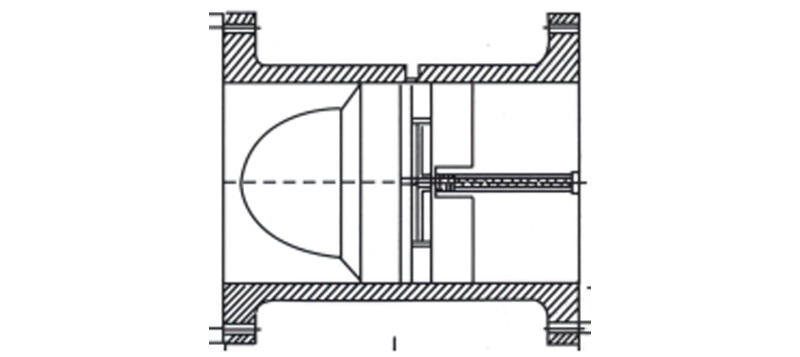
Gas Turbine Flow Meters: An Integral Part of Smart Metering Solutions
In today’s rapidly evolving industrial landscape, precise measurement of gases and liquids is crucial. Among various measurement devices, gas turbine flow meters stand out as reliable instruments that enhance smart metering solutions. These devices not only provide accurate flow measurements but also play a significant role in optimizing energy management. This article delves into the intricacies of gas turbine flow meters, exploring their functionality, applications, benefits, and how they integrate into smart metering systems.
Table of Contents
- What Are Gas Turbine Flow Meters?
- How Gas Turbine Flow Meters Work
- Applications of Gas Turbine Flow Meters
- Benefits of Using Gas Turbine Flow Meters
- Comparison with Other Flow Meters
- Smart Metering Solutions and Gas Turbine Flow Meters
- Maintenance and Calibration of Gas Turbine Flow Meters
- The Future of Gas Turbine Flow Meters
- FAQs About Gas Turbine Flow Meters
What Are Gas Turbine Flow Meters?
Gas turbine flow meters are devices designed to measure the flow rates of gases and liquids. They utilize the principle of turbine rotation, where the flow of the fluid drives a rotor. The rotational speed of the rotor correlates directly with the flow rate, allowing for precise measurements. These meters are known for their high accuracy and ability to function effectively within a wide range of operating conditions.
Types of Gas Turbine Flow Meters
Gas turbine flow meters can be categorized based on various factors such as design and application:
- Inline Flow Meters: Installed directly in the pipeline, offering minimal pressure drop.
- Burst Flow Meters: Suitable for high-flow applications, providing rapid response times.
- Portable Flow Meters: Ideal for temporary measurements and field applications.
How Gas Turbine Flow Meters Work
The operation of gas turbine flow meters is based on a straightforward mechanism:
- The fluid enters the meter and flows past the rotor.
- The flow of the fluid causes the rotor to spin.
- The speed of the rotor is monitored using electronic sensors.
- The flow rate is calculated based on the rotor’s speed and the meter’s calibration.
This process allows for real-time monitoring of flow rates, making gas turbine flow meters invaluable for industries requiring precise measurements.
Key Components of Gas Turbine Flow Meters
Understanding the components of gas turbine flow meters can provide insight into their functionality:
- Rotor: The essential component that rotates with the flow of the fluid.
- Magnetic Sensors: Measure the rotor’s speed and convert it into an electrical signal.
- Transmitter: Processes the signals and displays the flow rate on a digital interface.
Applications of Gas Turbine Flow Meters
Gas turbine flow meters are versatile and find applications across various industries, including:
1. Oil and Gas Industry
Used to measure the flow of natural gas, ensuring accurate billing and monitoring of production levels.
2. Chemical Processing
Essential for the accurate measurement of chemicals and their flow rates during production processes.
3. Water and Wastewater Management
Utilized in the treatment and distribution of water, ensuring compliance with environmental regulations.
4. HVAC Systems
Monitor airflow and help optimize energy usage in heating, ventilation, and air conditioning systems.
Benefits of Using Gas Turbine Flow Meters
Choosing gas turbine flow meters offers numerous advantages for industries:
1. High Accuracy and Reliability
These meters provide accurate flow measurements, leading to improved operational efficiency and reduced costs.
2. Wide Range of Applications
With their ability to handle various fluids and conditions, gas turbine flow meters are suitable for diverse applications.
3. Low Pressure Drop
Designed to minimize pressure loss, ensuring efficient fluid flow and reduced energy consumption.
4. Easy Installation and Maintenance
The design of gas turbine flow meters allows for straightforward installation and minimal maintenance requirements.
Comparison with Other Flow Meters
When evaluating flow measurement options, it is important to compare gas turbine flow meters with other types:
1. Positive Displacement Flow Meters
While positive displacement meters are very accurate, they can be more complex and costly to maintain compared to gas turbine flow meters.
2. Coriolis Flow Meters
Coriolis meters provide mass flow measurement but are typically more expensive and require extensive calibration.
3. Ultrasonic Flow Meters
Ultrasonic meters are suitable for certain applications but may struggle with accuracy in low-flow conditions compared to gas turbine models.
Smart Metering Solutions and Gas Turbine Flow Meters
Integrating gas turbine flow meters into smart metering solutions enhances data collection, management, and efficiency:
1. Real-Time Data Monitoring
Smart systems utilize gas turbine flow meters to provide real-time data, enabling quick responses to flow variations.
2. Enhanced Data Analytics
Data collected from these meters can be analyzed to identify trends, improving operational efficiency and decision-making.
3. Remote Access and Control
Smart metering solutions allow operators to monitor and control flow rates remotely, optimizing resource management.
Maintenance and Calibration of Gas Turbine Flow Meters
To ensure sustained performance, regular maintenance and calibration of gas turbine flow meters are critical:
1. Routine Inspections
Conduct regular inspections to check for wear and tear, ensuring the rotor and sensors function optimally.
2. Calibration Procedures
Follow industry standards for calibration, ensuring the accuracy of measurements remains within acceptable limits.
3. Cleaning and Maintenance
Periodically clean the flow meter to prevent buildup that could hinder performance.
The Future of Gas Turbine Flow Meters
As technology advances, gas turbine flow meters are poised for significant developments:
1. Integration with IoT
The incorporation of Internet of Things (IoT) technology will further enhance real-time monitoring and data analytics capabilities.
2. Increased Use of AI
Artificial Intelligence (AI) can be utilized for predictive maintenance, reducing downtime and improving efficiency.
3. Sustainable Solutions
With a focus on sustainability, future gas turbine flow meters may incorporate eco-friendly materials and energy-efficient designs.
FAQs About Gas Turbine Flow Meters
1. What is the accuracy of gas turbine flow meters?
The accuracy typically ranges from ±0.5% to ±2% of reading, depending on the model and calibration.
2. Can gas turbine flow meters measure liquids?
Yes, they can measure both gases and liquids, making them versatile for various applications.
3. What are the maintenance requirements for gas turbine flow meters?
Regular inspections, cleaning, and calibration are essential to maintain their performance and accuracy.
4. Are gas turbine flow meters suitable for high-temperature applications?
Yes, specialized models can handle high-temperature fluids, but it’s essential to choose the right meter for specific conditions.
5. How do gas turbine flow meters compare to other flow meters?
They offer high accuracy, low pressure drop, and ease of installation compared to many other flow meter types.
Conclusion
In conclusion, gas turbine flow meters are pivotal to modern metering solutions, providing high accuracy and reliability for measuring gases and liquids. Their application across diverse industries underscores their versatility and importance in enhancing efficiency and operational excellence. As technology continues to evolve, the integration of gas turbine flow meters with smart systems will undoubtedly lead to improved data management and resource optimization, making them indispensable in the future of industrial flow measurement.

Address:
NanPi County, Cangzhou City, Hebei Province
OEM
From precise design drawings, to rigorous production processes, to strict quality testing, we always uphold the spirit of ingenuity, the pursuit of every detail of the perfect. Our team has a wealth of industry experience and technical strength, according to your specific needs, to provide personalized customized services, to ensure that each product can meet your expectations.