

The Cost-Benefit Analysis of Implementing Gas Turbine Flow Meters: Unveiling Efficiency and Savings
The Cost-Benefit Analysis of Implementing Gas Turbine Flow Meters Table of Contents Introduction to Gas Turbine Flow Meters Understanding Gas Turbine Flow Meters The Importance of Accurate Flow Measurement Key Benefits of Implementing Gas Turbine Flow Meters Enhanced Efficiency Cost Savings Improved Reliability Cost Conside
Sep 24,2026


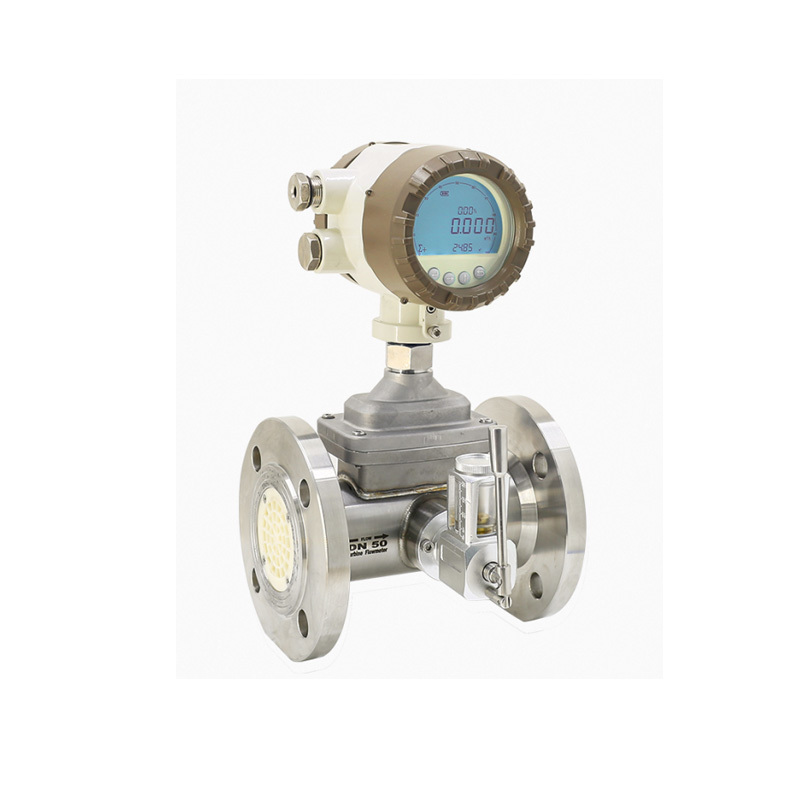
The Cost-Benefit Analysis of Implementing Gas Turbine Flow Meters
Table of Contents
- Introduction to Gas Turbine Flow Meters
- Understanding Gas Turbine Flow Meters
- The Importance of Accurate Flow Measurement
- Key Benefits of Implementing Gas Turbine Flow Meters
- Cost Considerations
- Calculating Return on Investment (ROI)
- Case Studies: Successful Implementations
- Frequently Asked Questions
- Conclusion
Introduction to Gas Turbine Flow Meters
Gas turbine flow meters are essential instruments used in various industries for measuring the flow of gases and liquids. These devices play a critical role in ensuring operational efficiency, regulatory compliance, and accurate billing in sectors such as oil and gas, chemical manufacturing, and energy production. In this article, we will conduct a comprehensive cost-benefit analysis of implementing gas turbine flow meters, focusing on their advantages, costs, and long-term financial implications.
Understanding Gas Turbine Flow Meters
Gas turbine flow meters utilize a turbine mechanism to measure the flow rate of fluid moving through pipes. The basic operation involves the fluid causing the turbine blades to rotate, with the rate of rotation being directly proportional to the flow rate. This technology provides high accuracy across a broad range of applications.
The design of gas turbine flow meters ensures minimal pressure loss, making them ideal for modern industrial applications where efficiency is paramount. Furthermore, advancements in material science and digital technology have enhanced their reliability and performance, making them a preferred choice for operators looking to optimize their systems.
The Importance of Accurate Flow Measurement
Accurate flow measurement is fundamental for several reasons:
- **Process Optimization**: Knowing the precise flow rates allows operators to optimize processes, ensuring maximum efficiency and minimal waste.
- **Regulatory Compliance**: Many industries are subject to stringent regulations that require accurate flow measurement for compliance with environmental and safety standards.
- **Cost Management**: Accurate flow measurement helps in determining costs associated with raw materials and product output, leading to better financial planning.
Inaccurate flow measurements can result in significant financial losses, operational inefficiencies, and compliance violations. Therefore, investing in high-quality flow measurement technology, such as gas turbine flow meters, becomes a strategic decision for businesses aiming to maintain competitiveness.
Key Benefits of Implementing Gas Turbine Flow Meters
Enhanced Efficiency
One of the primary benefits of gas turbine flow meters is their ability to enhance operational efficiency. By providing accurate flow readings, these devices enable businesses to fine-tune their processes. This leads to:
- **Reduced Waste**: With precise measurements, operators can minimize overuse of materials and energy, leading to lower operational costs.
- **Optimal Resource Allocation**: Enhanced efficiency allows for better allocation of resources, ensuring that production schedules align with actual demand.
Cost Savings
Implementing gas turbine flow meters can lead to substantial cost savings. They contribute to financial efficiency in several ways:
- **Lower Utility Bills**: Accurate measurement prevents over-consumption of gas and liquids, which translates to lower utility expenses.
- **Minimized Downtime**: Reliable measurements reduce the likelihood of process failures, which can lead to costly downtimes and repairs.
The long-term cost savings associated with gas turbine flow meters often outweigh the initial investment, making them a financially savvy choice for companies aiming for sustainable growth.
Improved Reliability
Gas turbine flow meters are known for their durability and reliability. Key advantages include:
- **Durable Construction**: Designed to withstand harsh operating conditions, they require less frequent replacements compared to other flow measurement technologies.
- **Low Maintenance Needs**: With fewer moving parts and advanced materials, gas turbine flow meters typically have lower maintenance requirements, further reducing operational costs.
Operational reliability ensures that measurements remain consistent and predictable, which is crucial for maintaining quality standards in production.
Cost Considerations
While the benefits of gas turbine flow meters are significant, it's essential to consider the associated costs.
Initial Investment
The initial investment for gas turbine flow meters can vary based on:
- **Specifications**: The required specifications will impact the purchase price, with more advanced models generally costing more.
- **Installation**: Professional installation may be required, adding to the overall cost.
Understanding these factors can help businesses budget effectively for their implementation.
Maintenance Costs
While gas turbine flow meters are generally low-maintenance, some costs need to be factored in:
- **Periodic Calibration**: To ensure ongoing accuracy, periodic calibration may be necessary, which can incur costs.
- **Replacement Parts**: Although durable, certain components may need replacement over time, adding to maintenance expenses.
Evaluating these costs as part of the overall investment in gas turbine flow meters is crucial for an accurate cost-benefit analysis.
Calculating Return on Investment (ROI)
Calculating the ROI for implementing gas turbine flow meters involves analyzing both the anticipated savings and the costs incurred. The formula typically follows:
ROI = (Net Profit from Investment / Cost of Investment) x 100
To estimate net profit, consider:
- **Annual savings on utility bills**: Calculate the expected reduction in energy consumption and related costs.
- **Productivity gains**: Estimate the impact of reduced downtime and improved resource allocation on overall productivity.
By quantifying these factors, businesses can gain a clearer picture of the financial benefits associated with installing gas turbine flow meters.
Case Studies: Successful Implementations
Examining real-world examples of gas turbine flow meter implementations can provide valuable insights:
- **Oil and Gas Industry**: A leading oil company implemented gas turbine flow meters across its operations, resulting in a 15% reduction in utility costs and improved compliance with environmental regulations.
- **Chemical Manufacturing**: A chemical manufacturer reported enhanced process efficiency and a 20% decrease in raw material wastage after switching to gas turbine flow meters.
These case studies highlight the tangible benefits that other companies have experienced, reinforcing the value of this investment.
Frequently Asked Questions
1. What industries benefit from gas turbine flow meters?
Gas turbine flow meters are widely used in industries such as oil and gas, chemical manufacturing, water treatment, and power generation.
2. How do gas turbine flow meters compare to other flow measurement technologies?
Gas turbine flow meters offer higher accuracy and lower pressure loss compared to many other technologies, making them ideal for various applications.
3. What factors should be considered when selecting a gas turbine flow meter?
Key factors include flow range, pressure compatibility, installation requirements, and maintenance needs.
4. Are gas turbine flow meters suitable for both gases and liquids?
Yes, gas turbine flow meters can measure both gases and liquids effectively, though specific models may be tailored for particular applications.
5. How can businesses ensure the longevity of their gas turbine flow meters?
Regular maintenance, calibration, and adhering to installation guidelines can help ensure the longevity and accuracy of gas turbine flow meters.
Conclusion
In summary, implementing gas turbine flow meters offers numerous advantages, including enhanced efficiency, significant cost savings, and improved reliability. While the initial investment and maintenance costs must be carefully considered, the long-term financial benefits typically justify the expenditure. By conducting a thorough cost-benefit analysis and learning from successful case studies, businesses can make informed decisions about integrating gas turbine flow meters into their operations. This strategic investment not only enhances operational performance but also positions organizations for sustained growth in a competitive landscape.
Previous:

Address:
NanPi County, Cangzhou City, Hebei Province
OEM
From precise design drawings, to rigorous production processes, to strict quality testing, we always uphold the spirit of ingenuity, the pursuit of every detail of the perfect. Our team has a wealth of industry experience and technical strength, according to your specific needs, to provide personalized customized services, to ensure that each product can meet your expectations.