

Comparative Analysis: Gas Turbine Flow Meters vs. Other Flow Measurement Technologies
Comparative Analysis: Gas Turbine Flow Meters vs. Other Flow Measurement Technologies Table of Contents 1. Introduction to Flow Measurement Technologies 2. Gas Turbine Flow Meters: Overview and Features 3. Overview of Other Flow Measurement Technologies 3.1 Positive Displacement Meters 3.2 Electromagnetic Flow Meters 3.3 Ultrasonic Flow Meters 3.4 Mass Flow Mete
Nov 01,2025


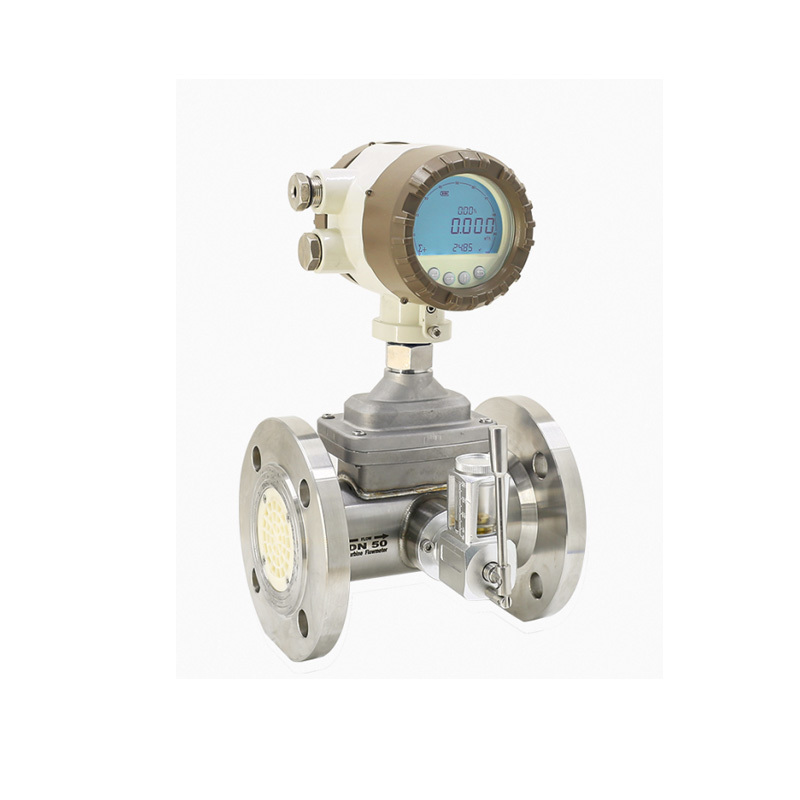
Comparative Analysis: Gas Turbine Flow Meters vs. Other Flow Measurement Technologies
Table of Contents
- 1. Introduction to Flow Measurement Technologies
- 2. Gas Turbine Flow Meters: Overview and Features
- 3. Overview of Other Flow Measurement Technologies
- 3.1 Positive Displacement Meters
- 3.2 Electromagnetic Flow Meters
- 3.3 Ultrasonic Flow Meters
- 3.4 Mass Flow Meters
- 4. Comparative Analysis: Advantages of Gas Turbine Flow Meters
- 4.1 Accuracy and Precision
- 4.2 Rangeability and Versatility
- 4.3 Maintenance and Durability
- 4.4 Cost-Effectiveness
- 5. Applications of Gas Turbine Flow Meters
- 6. Future Trends in Flow Measurement Technology
- 7. Frequently Asked Questions (FAQs)
- 8. Conclusion
1. Introduction to Flow Measurement Technologies
In the ever-evolving landscape of industrial operations, **accurate flow measurement** is crucial for efficiency and safety. Different technologies serve this purpose, each with unique benefits and limitations. Among these, **gas turbine flow meters** have emerged as a prominent choice, especially in applications involving gas and liquid measurement. Understanding how gas turbine flow meters stack up against other flow measurement technologies can significantly impact **operational success**.
2. Gas Turbine Flow Meters: Overview and Features
Gas turbine flow meters operate by measuring the velocity of the fluid flowing through the meter, which in turn is used to calculate the volume flow rate. These devices are equipped with a rotor that spins as the fluid passes through, generating a frequency signal that correlates with the flow rate. Key features include:
- **High Accuracy**: Typically, gas turbine flow meters boast an accuracy level of ±0.5% of reading.
- **Wide Range of Application**: Suitable for various gases and liquids, making them versatile for industries like oil and gas, chemical processing, and water treatment.
- **Compact Design**: Their compact nature allows for easy installation in various systems.
3. Overview of Other Flow Measurement Technologies
While gas turbine flow meters are effective, other technologies also play significant roles in flow measurement. Understanding these alternatives is vital for making informed decisions.
3.1 Positive Displacement Meters
Positive displacement meters measure flow by capturing a fixed volume of fluid and then releasing it, counting the number of capture cycles to determine the flow rate. They are renowned for their accuracy but can be limited by viscosity and temperature changes.
3.2 Electromagnetic Flow Meters
Electromagnetic flow meters function based on Faraday’s law of electromagnetic induction. They are particularly effective for conductive fluids and are characterized by their lack of moving parts, providing low maintenance costs.
3.3 Ultrasonic Flow Meters
Ultrasonic flow meters utilize sound waves to measure flow rates. They are non-intrusive and can provide accurate readings for both liquid and gas flows, making them a popular choice for water treatment and HVAC applications.
3.4 Mass Flow Meters
Mass flow meters measure the mass flow rate of a fluid, which can be particularly useful for applications requiring precise control over the amount of material processed. They are often used in chemical and food processing.
4. Comparative Analysis: Advantages of Gas Turbine Flow Meters
Upon examining various flow measurement technologies, gas turbine flow meters offer several clear advantages.
4.1 Accuracy and Precision
Gas turbine flow meters are known for their exceptional accuracy in measuring flow rates. Unlike other technologies that may experience calibration drift over time, gas turbines maintain **high precision** across different flow conditions. Their ability to deliver reliable measurements makes them the preferred choice in critical applications where accuracy is paramount.
4.2 Rangeability and Versatility
One of the standout features of gas turbine flow meters is their **rangeability**—the ability to accurately measure flow rates across a wide spectrum. This adaptability is particularly beneficial for industries with fluctuating flow conditions. While some technologies are limited to specific applications, gas turbine flow meters can handle various fluids, from gases to light liquids, thus offering enhanced versatility.
4.3 Maintenance and Durability
Gas turbine flow meters generally require less maintenance compared to other devices. Their robust construction allows them to withstand harsh operational environments, reducing downtime and maintenance costs. In contrast, technologies such as positive displacement meters often necessitate more frequent servicing due to their moving parts.
4.4 Cost-Effectiveness
Although the initial investment in gas turbine flow meters might be higher than some alternatives, their long-term benefits outweigh the costs. With reduced maintenance needs and higher accuracy, organizations can achieve significant savings in operational expenses over time.
5. Applications of Gas Turbine Flow Meters
The versatility of gas turbine flow meters allows them to be utilized across various industries, including:
- **Oil and Gas**: Measuring the flow of natural gas and crude oil, ensuring accurate billing and efficient resource management.
- **Chemical Processing**: Monitoring the flow of chemicals and reagents, critical for maintaining product quality and safety.
- **Water Treatment**: Managing water flow rates in treatment facilities, contributing to effective resource utilization.
6. Future Trends in Flow Measurement Technology
As technology advances, gas turbine flow meters are poised to incorporate innovations such as:
- **Smart Technologies**: Integration with IoT for real-time data analytics and remote monitoring.
- **Enhanced Materials**: The use of advanced materials that improve durability and reduce wear.
- **AI and Machine Learning**: Predictive maintenance solutions to further minimize downtime.
7. Frequently Asked Questions (FAQs)
1. What industries commonly use gas turbine flow meters?
Gas turbine flow meters are widely used in the oil and gas, chemical processing, and water treatment industries due to their accuracy and versatility.
2. How do gas turbine flow meters compare in terms of maintenance?
Gas turbine flow meters generally require less maintenance than other types, such as positive displacement meters, due to their robust design and fewer moving parts.
3. Are gas turbine flow meters suitable for all types of fluids?
While gas turbine flow meters are versatile, they are most effective with low-viscosity fluids. Higher viscosity fluids may require alternative technologies.
4. What is the typical accuracy range for gas turbine flow meters?
Gas turbine flow meters typically offer an accuracy of ±0.5% of reading, making them one of the most accurate flow measurement technologies available.
5. How do gas turbine flow meters help reduce operational costs?
By providing accurate measurements, reducing maintenance needs, and allowing for efficient resource management, gas turbine flow meters contribute to significant long-term savings.
8. Conclusion
In summary, gas turbine flow meters stand out as a superior choice for many industrial applications compared to other flow measurement technologies. Their accuracy, versatility, and cost-effectiveness make them invaluable tools in managing fluid flow. As we look to the future, advancements in technology will only enhance their capabilities, ensuring they remain at the forefront of flow measurement solutions. Organizations considering flow measurement options should strongly consider the benefits that gas turbine flow meters can bring to their operations.

Address:
NanPi County, Cangzhou City, Hebei Province
OEM
From precise design drawings, to rigorous production processes, to strict quality testing, we always uphold the spirit of ingenuity, the pursuit of every detail of the perfect. Our team has a wealth of industry experience and technical strength, according to your specific needs, to provide personalized customized services, to ensure that each product can meet your expectations.