

High Precision Stamping Parts: The Backbone of Advanced Mechanical Engineering
High Precision Stamping Parts: The Backbone of Advanced Mechanical Engineering Table of Contents 1. Introduction to High Precision Stamping Parts 2. What Are High Precision Stamping Parts? 3. The Manufacturing Process of High Precision Stamping Parts 4. Applications of High Precision Stamping Parts in Various Industries 5. Benefits of Utilizing High Precision Stamping Parts
Oct 31,2025


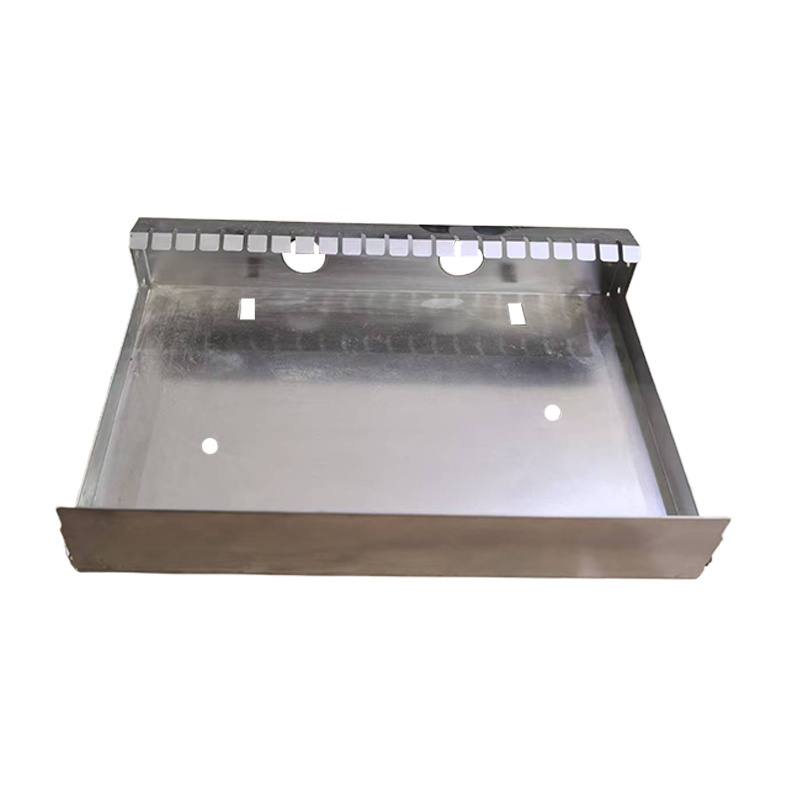
High Precision Stamping Parts: The Backbone of Advanced Mechanical Engineering
Table of Contents
- 1. Introduction to High Precision Stamping Parts
- 2. What Are High Precision Stamping Parts?
- 3. The Manufacturing Process of High Precision Stamping Parts
- 4. Applications of High Precision Stamping Parts in Various Industries
- 5. Benefits of Utilizing High Precision Stamping Parts
- 6. Challenges in the Production of High Precision Stamping Parts
- 7. Future Trends in High Precision Stamping Technology
- 8. Conclusion
- 9. Frequently Asked Questions (FAQs)
1. Introduction to High Precision Stamping Parts
In the world of advanced mechanical engineering, **high precision stamping parts** play a vital role. These components, produced through intricate stamping techniques, are essential in creating durable and efficient machinery. As industries evolve and demand for precision increases, understanding the significance of these parts becomes crucial. This article will explore the myriad aspects of high precision stamping parts, their manufacturing processes, applications, benefits, challenges, and future trends.
2. What Are High Precision Stamping Parts?
High precision stamping parts are manufactured through a process known as stamping, which involves shaping metal sheets into specific forms. This process typically employs die and punch machinery, permitting highly accurate and consistent production of parts. The precision achieved allows these components to be utilized in sectors requiring meticulous engineering standards. Common materials used in the production of these parts include aluminum, steel, and copper.
Types of Stamping Parts
High precision stamping parts can be categorized into various types, including:
- **Progressive Stamping Parts**: Created in a series of steps, allowing for complex designs.
- **Deep Drawn Stamping Parts**: Suitable for creating cylindrical shapes and deep features.
- **Single-Stage Stamping Parts**: Produced in a single operation for simpler geometries.
3. The Manufacturing Process of High Precision Stamping Parts
The manufacturing of high precision stamping parts involves several critical steps that ensure quality and precision.
Step 1: Design and Prototyping
The process begins with the design phase, where engineers create detailed specifications for the parts. Utilizing CAD (Computer-Aided Design) software allows for precise modeling and enables rapid prototyping for testing.
Step 2: Material Selection
Choosing the right material is essential for the functionality of the stamping parts. Factors such as tensile strength, corrosion resistance, and weight need to be considered to match the application's requirements.
Step 3: Tooling Preparation
Once the design and material are finalized, the next step involves creating the necessary tooling. This includes dies and punches specifically designed for the intended part, which is crucial for ensuring accuracy during the stamping process.
Step 4: Stamping Operation
With the tools prepared, the stamping operation can commence. The metal sheets are fed into the stamping machine, where the dies and punches apply significant force to shape the material. This process can be performed in various configurations, such as hydraulic or mechanical presses, depending on the complexity and volume of production.
Step 5: Finishing Processes
After stamping, parts may undergo additional finishing processes such as deburring, cleaning, and surface treatment. These steps enhance the appearance and functionality of the components, preparing them for their specific applications.
4. Applications of High Precision Stamping Parts in Various Industries
High precision stamping parts find applications across numerous industries due to their reliability and performance. Here are some key sectors where these parts are integral:
Automotive Industry
In the automotive sector, high precision stamping parts are used for various components, including brackets, structural elements, and decorative trims. Their reliability ensures vehicles meet stringent safety and performance standards.
Aerospace Industry
The aerospace industry demands the highest levels of precision. Stamping parts are employed in fuselage components, structural assemblies, and engine parts, where lightweight and high-strength materials are crucial.
Electronics Industry
In electronics, high precision stamping parts are used for connectors, housings, and other components. Their ability to be produced in high volumes while maintaining precision makes them ideal for electronic applications.
Medical Devices
Medical devices require stringent compliance with industry regulations. High precision stamping parts are essential in producing devices such as surgical instruments, diagnostic equipment, and implants, where accuracy is paramount.
5. Benefits of Utilizing High Precision Stamping Parts
Investing in high precision stamping parts offers several advantages that contribute to overall operational efficiency and product quality.
Cost-Effectiveness
High volume production of stamping parts reduces per-unit costs. The efficiency of the stamping process allows manufacturers to produce large quantities at a lower cost, making it a cost-effective solution for numerous applications.
Precision and Consistency
The stamping process ensures that each part meets stringent specifications, delivering uniformity in production. This consistency is critical for applications that require precise fit and function.
Material Efficiency
Stamping is a material-efficient process, as it generates minimal waste compared to other manufacturing techniques. This efficiency is essential for both cost savings and environmental sustainability.
Quick Turnaround Times
The rapid production capabilities of stamping enable quick turnaround times, allowing manufacturers to respond swiftly to market demands and reducing time-to-market for new products.
6. Challenges in the Production of High Precision Stamping Parts
Despite the many advantages, producing high precision stamping parts presents several challenges that manufacturers must navigate.
Tooling Costs
Developing the necessary tooling for stamping can be expensive. Custom dies and punches require significant investment, particularly for small batch productions.
Material Limitations
Not all materials are suitable for stamping processes. Some materials may not yield the desired precision or may experience deformation during the stamping process, leading to quality issues.
Technological Advancements
Staying up-to-date with advancements in stamping technology is crucial. As new techniques and materials emerge, manufacturers must adapt to incorporate these innovations to remain competitive.
7. Future Trends in High Precision Stamping Technology
The landscape of high precision stamping is anticipated to evolve with advancements in technology and changing market demands. Here are some future trends to watch:
Automation and Smart Manufacturing
The integration of automation and smart technologies will enhance precision and efficiency in stamping processes. Automated systems can reduce human error and speed up production.
Advanced Materials
Research into advanced materials, including composites and high-performance alloys, will continue to influence stamping processes. These materials can provide enhanced strength-to-weight ratios and improved performance characteristics.
Industry 4.0 Integration
The adoption of Industry 4.0 principles, including the Internet of Things (IoT) and data analytics, will facilitate predictive maintenance and optimization of stamping operations, leading to improved quality and reduced downtime.
8. Conclusion
High precision stamping parts are undeniably the backbone of advanced mechanical engineering. Their versatility and reliability make them essential across various industries, from automotive to aerospace and beyond. Understanding the manufacturing processes, applications, and benefits of these components positions businesses to leverage their advantages effectively. As technology continues to advance, the future of high precision stamping promises even greater efficiency and innovation in mechanical engineering.
9. Frequently Asked Questions (FAQs)
1. What materials are commonly used in high precision stamping parts?
High precision stamping parts are typically made from aluminum, steel, stainless steel, and copper. The choice of material depends on the specific application and desired properties.
2. How does the stamping process ensure precision?
The stamping process uses dies and punches designed to exact specifications, allowing for consistent shaping and cutting of materials with minimal tolerances.
3. What industries benefit most from high precision stamping parts?
Industries such as automotive, aerospace, electronics, and medical devices benefit significantly from high precision stamping parts due to their need for accuracy and reliability.
4. Can high precision stamping parts be produced in small batches?
While high precision stamping is most cost-effective for large volumes, it is possible to produce small batches; however, tooling costs may make it less economical.
5. What are the future advancements expected in stamping technology?
Future advancements may include increased automation, the use of advanced materials, and the integration of Industry 4.0 technologies for smarter and more efficient manufacturing processes.

Address:
NanPi County, Cangzhou City, Hebei Province
OEM
From precise design drawings, to rigorous production processes, to strict quality testing, we always uphold the spirit of ingenuity, the pursuit of every detail of the perfect. Our team has a wealth of industry experience and technical strength, according to your specific needs, to provide personalized customized services, to ensure that each product can meet your expectations.