

Maximizing Efficiency with Precision Metal Stamping Techniques
Maximizing Efficiency with Precision Metal Stamping Techniques Introduction to Precision Metal Stamping Precision metal stamping is a manufacturing process that involves shaping and cutting metal into desired forms using high-speed machinery. This method is widely utilized in various industries, including automotive, electronics, and aerospace, due to its ability to produce intricate parts with
Jul 02,2026


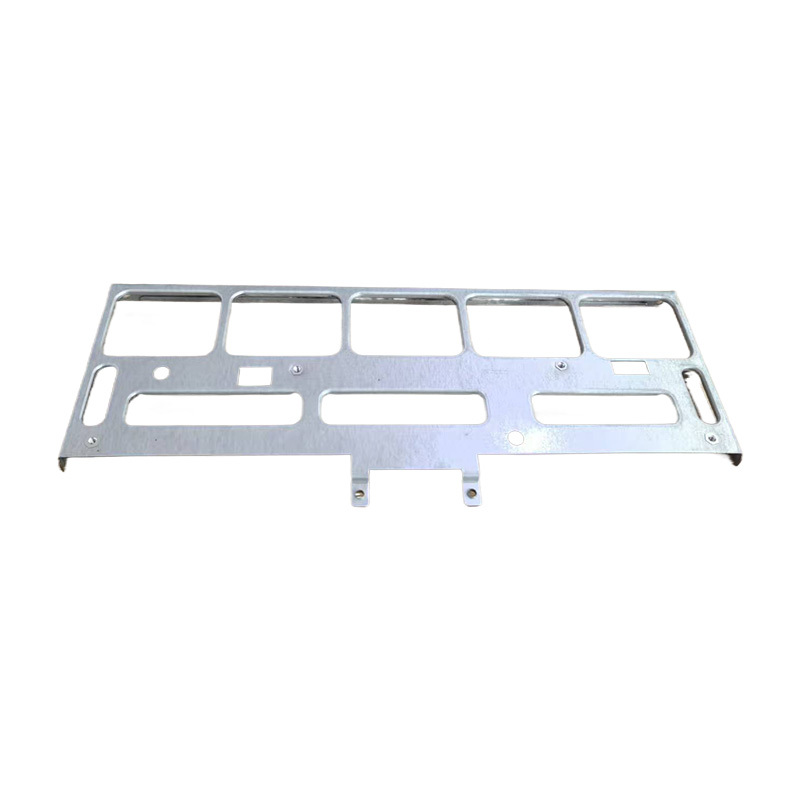
Maximizing Efficiency with Precision Metal Stamping Techniques
Introduction to Precision Metal Stamping
Precision metal stamping is a manufacturing process that involves shaping and cutting metal into desired forms using high-speed machinery. This method is widely utilized in various industries, including automotive, electronics, and aerospace, due to its ability to produce intricate parts with high precision. As industries strive for **greater efficiency** and **higher quality**, understanding and implementing effective precision metal stamping techniques become essential.
Table of Contents
1. Understanding Precision Metal Stamping
2. Key Benefits of Precision Metal Stamping
3. Techniques to Enhance Efficiency
3.1 Automation in Metal Stamping
3.2 Tooling and Die Design Optimization
3.3 Material Selection and Management
4. Quality Control and Assurance in Metal Stamping
5. Common Challenges in Precision Metal Stamping
6. Future Trends in Metal Stamping Technology
7. Frequently Asked Questions
8. Conclusion
1. Understanding Precision Metal Stamping
Precision metal stamping involves the use of dies and stamping presses to create metal components with high accuracy. The process starts with a sheet of metal, which is fed into a stamping machine. The machine then applies pressure to the metal, shaping it into the desired form. This method is particularly valued for its ability to produce complex shapes consistently and rapidly, making it an ideal choice for high-volume production runs.
2. Key Benefits of Precision Metal Stamping
The advantages of precision metal stamping are numerous and can significantly impact production efficiency and product quality.
Cost-Effectiveness
By streamlining production processes, precision metal stamping can reduce labor costs and material waste. The speed at which parts can be produced allows manufacturers to meet large orders without sacrificing quality.
High Precision and Consistency
The use of advanced machinery and techniques ensures that each component meets strict tolerances and specifications. This consistency is crucial in industries where even minor deviations can lead to significant issues.
Flexibility in Design
With the ability to create intricate designs, precision metal stamping allows manufacturers to innovate product designs without increasing production time or costs.
3. Techniques to Enhance Efficiency
To fully maximize the benefits of precision metal stamping, several techniques can be employed to enhance production efficiency.
3.1 Automation in Metal Stamping
Automation is transforming the manufacturing landscape. By integrating automated systems into metal stamping processes, companies can significantly reduce the time needed to produce components. Automated feeders, robots for part handling, and computer-controlled stamping presses allow for continuous production with minimal downtime.
3.2 Tooling and Die Design Optimization
Effective tooling and die design are critical for maximizing efficiency in precision metal stamping. Well-designed dies can improve the stamping process by reducing the number of steps required to produce a part. Additionally, using high-quality materials for dies can enhance their lifespan, leading to fewer replacements and less downtime.
3.3 Material Selection and Management
Selecting the right material for metal stamping can greatly influence efficiency and outcomes. Materials should be chosen based on their suitability for the desired application, cost, and availability. Effective inventory management ensures that the right materials are on hand when needed, reducing delays in production.
4. Quality Control and Assurance in Metal Stamping
Quality control is paramount in precision metal stamping. Implementing robust quality assurance practices helps to identify and rectify issues early in the production process. Techniques such as statistical process control (SPC), in-process inspections, and end-of-line testing ensure that the finished products meet the required standards.
5. Common Challenges in Precision Metal Stamping
Despite its numerous advantages, precision metal stamping does come with its own set of challenges.
Tool Wear and Maintenance
Over time, tooling can wear down, leading to decreased accuracy and production delays. Regular maintenance and timely replacement of tooling can mitigate this issue.
Material Variability
Variations in material properties can lead to inconsistencies in the final product. Thorough testing and quality checks of materials before use can help address this challenge.
Complexity of Designs
As designs become more intricate, challenges in tooling and production can arise. Collaborating with designers early in the process can help in creating feasible designs that can be efficiently stamped.
6. Future Trends in Metal Stamping Technology
The future of precision metal stamping is bright, with several trends likely to shape its evolution.
Increased Automation and Smart Manufacturing
The integration of IoT (Internet of Things) and AI (Artificial Intelligence) will lead to advancements in automation, allowing for smarter manufacturing processes that can adapt to changing demands in real-time.
Advanced Materials
The development of new materials with enhanced properties will enable more efficient stamping processes. Lightweight composites and advanced alloys are becoming more prevalent in precision metal stamping.
Sustainability Initiatives
As environmental concerns grow, manufacturers are increasingly adopting sustainable practices in their processes. This includes minimizing waste, using eco-friendly materials, and reducing energy consumption.
7. Frequently Asked Questions
What is precision metal stamping used for?
Precision metal stamping is commonly used in various industries, including automotive, electronics, and medical devices, for producing components like brackets, housings, and connectors.
How does automation improve metal stamping efficiency?
Automation reduces manual labor, increases production speed, and minimizes human error, leading to higher efficiency and lower costs.
What materials are typically used in precision metal stamping?
Common materials include stainless steel, aluminum, brass, and specialized alloys, which are chosen based on the specific requirements of the application.
How can I ensure quality in my metal stamping process?
Implementing rigorous quality control measures, using high-quality materials, and conducting regular inspections can ensure high standards in the metal stamping process.
What are the cost implications of precision metal stamping?
While the initial setup costs for precision metal stamping can be high, the long-term savings in labor and material efficiency often make it a cost-effective solution for high-volume production.
8. Conclusion
Maximizing efficiency in precision metal stamping is vital for manufacturers looking to enhance productivity and product quality. By embracing automation, optimizing tooling, and maintaining rigorous quality control, manufacturers can not only improve their processes but also stay competitive in the ever-evolving market. As technology advances, staying informed about trends and best practices in precision metal stamping will be crucial for ongoing success in this dynamic industry.
Previous:

Address:
NanPi County, Cangzhou City, Hebei Province
OEM
From precise design drawings, to rigorous production processes, to strict quality testing, we always uphold the spirit of ingenuity, the pursuit of every detail of the perfect. Our team has a wealth of industry experience and technical strength, according to your specific needs, to provide personalized customized services, to ensure that each product can meet your expectations.