

Understanding the Standards for Headlight Crossbeam Reinforcement Plates: A Comprehensive Guide
Understanding the Standards for Headlight Crossbeam Reinforcement Plates Introduction to Headlight Crossbeam Reinforcement Plates Headlight crossbeam reinforcement plates are crucial components in automotive design, playing a vital role in the overall structure and safety of vehicles. These plates reinforce the headlight assembly, ensuring that headlights function optimally while providing necessa
Jul 05,2026


Understanding the Standards for Headlight Crossbeam Reinforcement Plates
Introduction to Headlight Crossbeam Reinforcement Plates
Headlight crossbeam reinforcement plates are crucial components in automotive design, playing a vital role in the overall structure and safety of vehicles. These plates reinforce the headlight assembly, ensuring that headlights function optimally while providing necessary protection against impacts. Understanding the standards that govern these components is essential for manufacturers and engineers in the automotive industry.
The Importance of Headlight Crossbeam Reinforcement Plates
Headlight crossbeam reinforcement plates serve multiple purposes. They not only secure the headlight units in place but also contribute to the vehicle's safety features. In the event of a collision, these plates absorb impact energy, reducing damage to the headlight assembly and enhancing protection for passengers. Thus, adhering to the established standards is paramount for manufacturers aiming to ensure safety and compliance with industry regulations.
Key Standards and Regulations in Manufacturing
Manufacturers of headlight crossbeam reinforcement plates must adhere to various standards set by national and international bodies. These standards ensure that the plates meet specific criteria regarding material strength, durability, and safety.
1. ISO Standards for Automotive Components
The International Organization for Standardization (ISO) provides frameworks and guidelines that manufacturers must follow. ISO 9001, for example, emphasizes quality management systems, ensuring that products consistently meet customer and regulatory requirements.
2. SAE Standards
The Society of Automotive Engineers (SAE) develops standards specific to the automotive industry. Standards such as SAE J576 and SAE J575 focus on the performance and durability of automotive lighting components, including headlight reinforcement plates.
3. FMVSS Compliance
In the United States, compliance with Federal Motor Vehicle Safety Standards (FMVSS) is necessary for all automotive components. These standards govern the safety performance of vehicles, ensuring that components like headlight crossbeam reinforcement plates meet rigorous safety criteria.
Design Considerations for Headlight Crossbeam Reinforcement Plates
Designing effective headlight crossbeam reinforcement plates involves various considerations that impact both performance and compliance.
1. Material Selection
Material selection is one of the most critical aspects of designing reinforcement plates. Common materials include:
- **Aluminum**: Lightweight and offers excellent corrosion resistance.
- **Steel**: Provides high strength and durability, often used in heavy-duty applications.
- **Composite Materials**: Offer a balance between weight and strength, increasingly popular in modern automotive design.
2. Structural Integrity
The structural integrity of the reinforcement plate is crucial for ensuring it can withstand impact without deforming. Engineers use finite element analysis (FEA) to simulate stress scenarios and optimize the design accordingly.
3. Manufacturing Processes
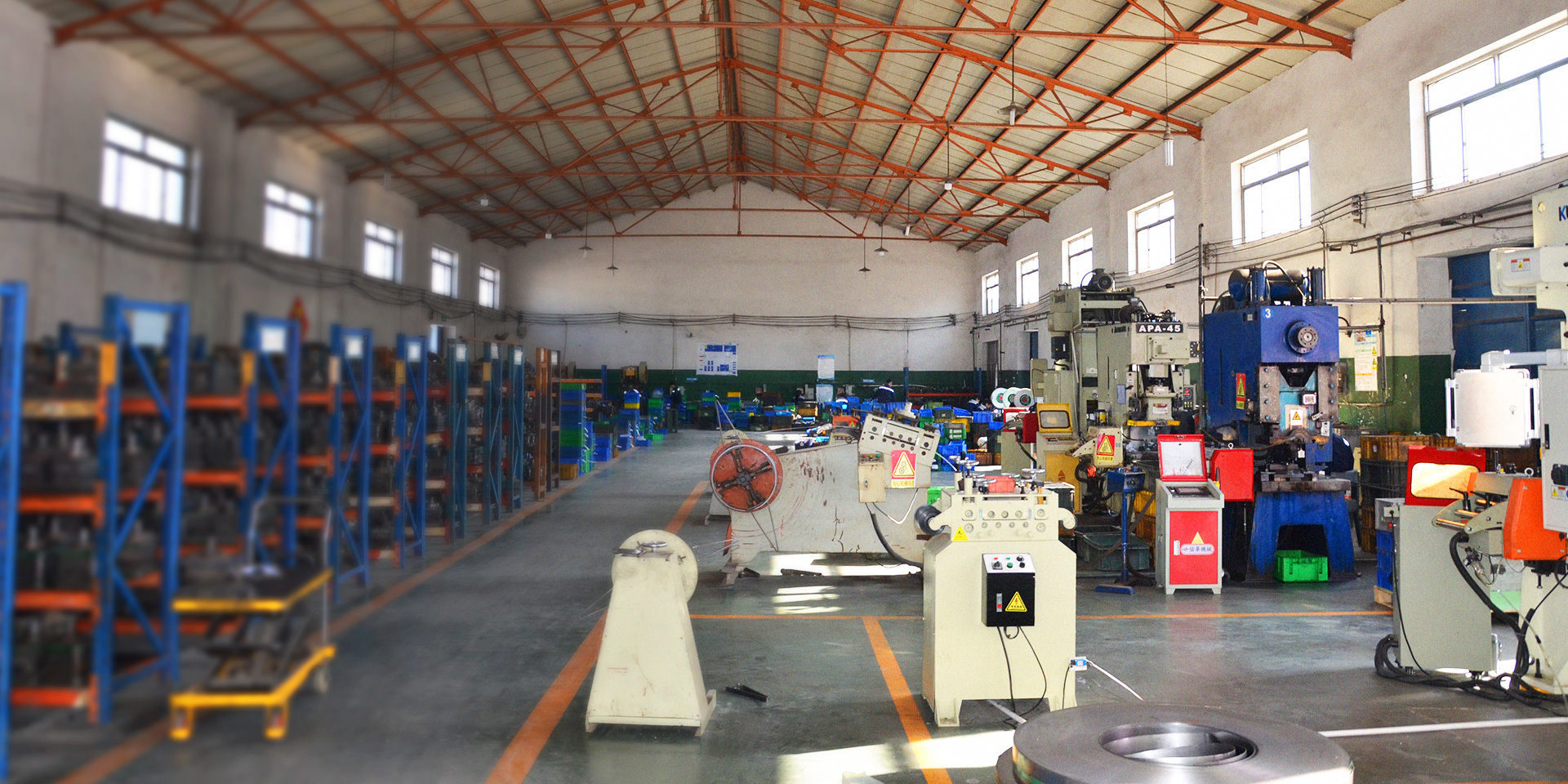
Various manufacturing processes are employed to create headlight crossbeam reinforcement plates, including:
- **Stamping**: A widely used method where sheets of material are shaped into the desired form using dies.
- **Casting**: Useful for complex shapes, where molten material is poured into molds.
- **Machining**: This process involves cutting and shaping materials to precise specifications, ensuring high accuracy.
Quality Control Measures
To meet the stringent standards for headlight crossbeam reinforcement plates, quality control measures must be implemented throughout the manufacturing process.
1. Testing for Compliance
Testing is essential to ensure that the plates meet all relevant standards. This includes:
- **Impact Testing**: Assessing the plate's ability to absorb and dissipate energy during a collision.
- **Fatigue Testing**: Evaluating how the material withstands repeated stress over time.
2. Certification Processes
Obtaining certifications from recognized bodies can enhance credibility. Manufacturers often seek certifications like ISO 9001 or specific automotive quality certifications to demonstrate compliance with industry standards.
Trends in Headlight Crossbeam Reinforcement Plate Technology
As automotive technology evolves, so do the standards and materials used for headlight crossbeam reinforcement plates.
1. Lightweight Materials and Sustainability
There is a growing trend towards using lightweight materials to improve fuel efficiency. Manufacturers are exploring sustainable materials to reduce the environmental impact of automotive production.
2. Innovations in Design
With advancements in design software and manufacturing technologies, engineers are developing innovative designs that enhance performance while maintaining compliance with safety standards.
Common Challenges in Manufacturing Headlight Crossbeam Reinforcement Plates
While the standards provide a framework for manufacturing, challenges still arise.
1. Balancing Cost and Quality
Manufacturers must find a balance between producing high-quality reinforcement plates and managing production costs. This often requires investing in advanced technologies and skilled labor.
2. Adapting to Changing Regulations
As automotive regulations evolve, manufacturers must stay informed and adapt their practices to maintain compliance with new standards.
Future Outlook for Headlight Crossbeam Reinforcement Plates
The future of headlight crossbeam reinforcement plates is closely tied to advancements in automotive technology. As electric and autonomous vehicles gain prominence, new standards will emerge to address unique safety challenges.
1. Increasing Focus on Safety
As safety regulations tighten, the demand for high-quality headlight crossbeam reinforcement plates will continue to grow. Manufacturers must invest in research and development to keep pace with these changes.
2. Technological Integration
Integration of smart technologies, such as sensors, into headlight systems may require innovative approaches in design and material selection for reinforcement plates.
FAQs About Headlight Crossbeam Reinforcement Plates
1. What is the primary function of headlight crossbeam reinforcement plates?
The primary function of these plates is to reinforce the headlight assembly, ensuring proper alignment and protection against impacts.
2. Why are standards important for headlight crossbeam reinforcement plates?
Standards ensure that the plates meet safety, durability, and performance requirements, which are crucial for vehicle safety.
3. How are headlight crossbeam reinforcement plates manufactured?
They are manufactured through processes like stamping, casting, and machining, depending on the desired specifications and materials.
4. What materials are commonly used for these reinforcement plates?
Common materials include aluminum, steel, and composite materials, each offering different benefits regarding weight and durability.
5. How can manufacturers ensure compliance with automotive standards?
Manufacturers can ensure compliance by conducting rigorous testing, obtaining certifications, and staying updated on regulatory changes.
Conclusion
Understanding the standards for headlight crossbeam reinforcement plates is essential for manufacturers and engineers in the automotive industry. By adhering to established regulations and continuously improving design and manufacturing processes, companies can enhance safety and performance in their vehicles. The importance of these plates cannot be overstated, as they play a critical role in ensuring that headlights function correctly while providing the necessary protection during collisions. As the automotive industry continues to evolve, staying informed about new standards and technologies will be key to maintaining safety and compliance.

Address:
NanPi County, Cangzhou City, Hebei Province
OEM
From precise design drawings, to rigorous production processes, to strict quality testing, we always uphold the spirit of ingenuity, the pursuit of every detail of the perfect. Our team has a wealth of industry experience and technical strength, according to your specific needs, to provide personalized customized services, to ensure that each product can meet your expectations.