

Streamlining Production: The Advantages of CNC Milling and Turning Parts
Streamlining Production: The Advantages of CNC Milling and Turning Parts In today's fast-paced manufacturing landscape, the need for efficiency and precision has never been greater. CNC (Computer Numerical Control) milling and turning parts are at the forefront of this transformation, offering manufacturers a way to enhance productivity, improve product quality, and reduce costs. This article expl
Jan 09,2026


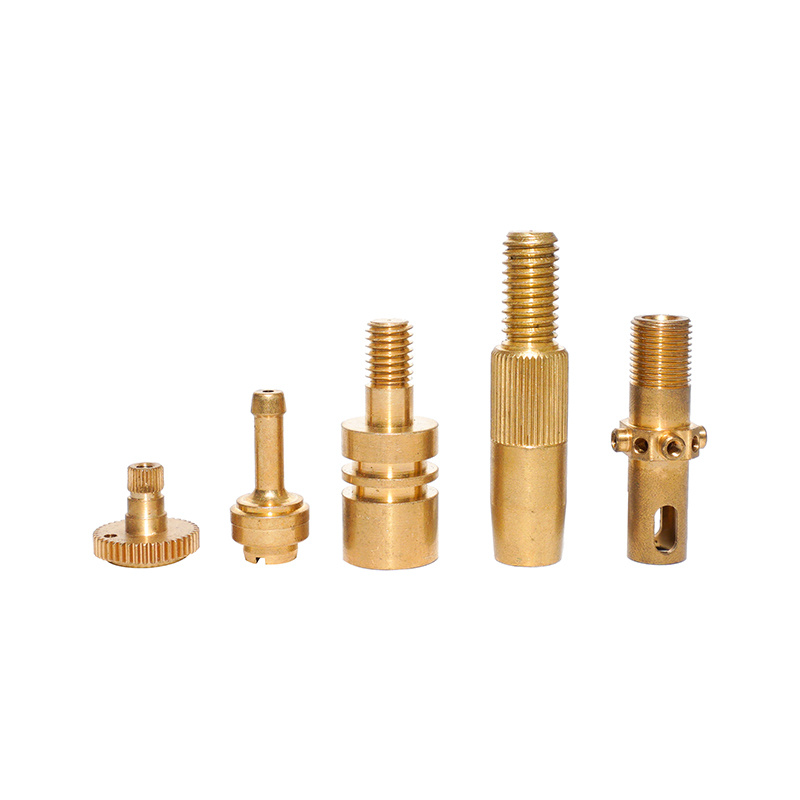
Streamlining Production: The Advantages of CNC Milling and Turning Parts
In today's fast-paced manufacturing landscape, the need for efficiency and precision has never been greater. CNC (Computer Numerical Control) milling and turning parts are at the forefront of this transformation, offering manufacturers a way to enhance productivity, improve product quality, and reduce costs. This article explores the myriad advantages of CNC machining processes, from increased accuracy to versatility in materials and applications.
Table of Contents
- What is CNC Machining?
- The Process of CNC Milling
- Understanding CNC Turning
- Advantages of CNC Milling and Turning Parts
- Precision and Accuracy
- Efficiency and Speed
- Cost-Effectiveness
- Versatility in Materials
- Improved Safety
- Applications of CNC Machining
- Choosing the Right CNC Service Provider
- The Future of CNC Machining
- FAQs
What is CNC Machining?
CNC machining is a manufacturing process that utilizes computer-controlled tools to perform precise machining operations. This includes milling, turning, drilling, and grinding, allowing for the production of complex parts with high repeatability. With CNC technology, manufacturers can automate production, reducing human error and increasing output quality.
The Process of CNC Milling
CNC milling is a subtractive manufacturing process where material is removed from a workpiece using rotating cutting tools. The CNC mill operates on multiple axes, often 3, 4, or even 5, allowing for intricate shapes and features to be machined. The process begins with a digital model created in CAD (Computer-Aided Design) software, which is then converted into a G-code that instructs the machine on how to execute the milling process.
Understanding CNC Turning
CNC turning is another essential aspect of CNC machining where the workpiece is rotated while a stationary cutting tool removes material. This process is primarily used to create cylindrical parts, such as shafts and fittings. Similar to milling, CNC turning relies on CAD models and G-code to guide the machining operations, ensuring high precision and repeatability.
Advantages of CNC Milling and Turning Parts
Precision and Accuracy
One of the most significant advantages of CNC milling and turning is the precision of the parts produced. CNC machines can achieve tolerances as tight as ±0.001 inches. This level of accuracy is critical for industries such as aerospace and medical, where even the slightest deviation can lead to catastrophic failures.
Efficiency and Speed
CNC machines can operate continuously and at high speeds, significantly increasing production rates. Unlike manual machining, which requires frequent setup and labor, CNC machining can run unattended, allowing for more parts to be produced in less time. This efficiency translates to faster turnaround times for projects, enhancing overall operational productivity.
Cost-Effectiveness
Though the initial investment in CNC machinery can be high, the long-term cost savings are substantial. CNC machining minimizes waste by optimizing material usage and reduces labor costs due to automation. Furthermore, the ability to produce parts with high precision leads to fewer reworks and lower scrap rates, ultimately driving down production costs.
Versatility in Materials
CNC milling and turning can process a wide array of materials, including metals, plastics, and composites. This versatility allows manufacturers to choose the best material for their application without worrying about the limitations of machining processes. This adaptability makes CNC machining suitable for various industries, from automotive to electronics.
Improved Safety
Automation in CNC machining significantly enhances workplace safety. With machines operating remotely and requiring less human intervention, the risk of accidents related to manual machining processes decreases. Moreover, CNC machines are equipped with safety features that protect operators from hazards associated with moving parts and flying debris.
Applications of CNC Machining
CNC machining finds applications in numerous industries, including:
- Aerospace: Producing lightweight, high-strength components.
- Automotive: Manufacturing precision-engineered parts for vehicles.
- Medical: Creating custom medical devices with stringent quality standards.
- Electronics: Machining intricate housings and components for electronics.
- Marine: Fabricating components for boats and other marine equipment.
Choosing the Right CNC Service Provider
Selecting a reliable CNC service provider is crucial for achieving the desired outcomes in your manufacturing processes. Consider the following factors when making your choice:
- Experience: Look for a provider with a proven track record in your industry.
- Capabilities: Ensure they have the machinery and technology to meet your specific needs.
- Quality Assurance: Inquire about their quality control processes and certifications.
- Customer Service: Evaluate their responsiveness and support throughout the production process.
The Future of CNC Machining
As technology continues to advance, the future of CNC machining looks promising. Innovations such as AI-driven optimization, real-time monitoring, and integrated IoT solutions are set to revolutionize the manufacturing industry further. These advancements will enhance efficiency, accuracy, and overall productivity, positioning CNC machining as an indispensable component of modern manufacturing.
FAQs
1. What is the difference between CNC milling and CNC turning?
CNC milling involves removing material from a stationary workpiece using rotating cutting tools, while CNC turning involves rotating the workpiece and using a stationary tool to shape it into cylindrical forms.
2. What materials can be machined using CNC technology?
CNC machining can work with various materials, including metals (aluminum, steel, titanium), plastics (PVC, nylon), and composites (carbon fiber, fiberglass).
3. How does CNC machining improve production efficiency?
CNC machining improves production efficiency by automating processes, allowing for continuous operation, reducing setup times, and minimizing human error, which leads to higher throughput.
4. Are CNC machined parts cost-effective?
Yes, while the initial investment in CNC machinery can be significant, the long-term savings due to reduced waste, lower labor costs, and minimized rework make CNC machining a cost-effective solution.
5. What industries benefit from CNC machining?
CNC machining benefits many industries, including aerospace, automotive, medical, electronics, and marine, among others, by providing precision-engineered components tailored to specific application needs.
Conclusion
In summary, CNC milling and turning parts revolutionize the manufacturing process by offering unparalleled precision, efficiency, and versatility. By embracing CNC technology, manufacturers can streamline production, improve product quality, and ultimately reduce costs. As industries continue to evolve, the importance of CNC machining will only increase, making it an essential tool for any modern manufacturing operation.

Address:
NanPi County, Cangzhou City, Hebei Province
OEM
From precise design drawings, to rigorous production processes, to strict quality testing, we always uphold the spirit of ingenuity, the pursuit of every detail of the perfect. Our team has a wealth of industry experience and technical strength, according to your specific needs, to provide personalized customized services, to ensure that each product can meet your expectations.