

Deep Drawn Enclosures: Essential Features for Precision Instruments
Deep Drawn Enclosures: Essential Features for Precision Instruments In the world of precision instruments, the enclosures that house these delicate components play an integral role in their performance and reliability. **Deep drawn enclosures** are specifically designed to protect sensitive equipment from environmental threats while maintaining operational integrity. This article delves into the e
Jan 12,2026


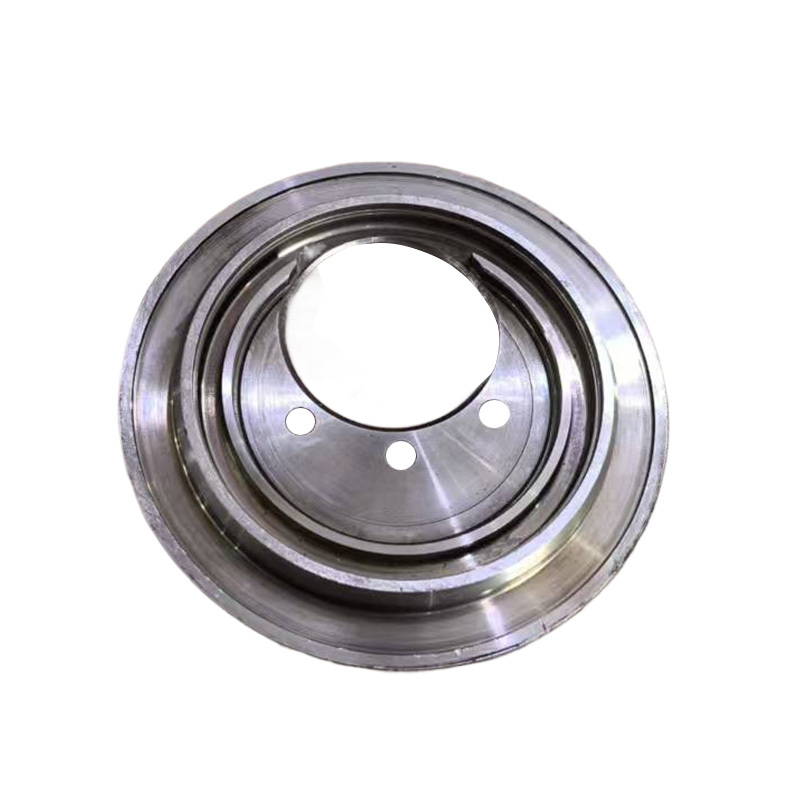
Deep Drawn Enclosures: Essential Features for Precision Instruments
In the world of precision instruments, the enclosures that house these delicate components play an integral role in their performance and reliability. **Deep drawn enclosures** are specifically designed to protect sensitive equipment from environmental threats while maintaining operational integrity. This article delves into the essential features that make deep drawn enclosures a preferred choice for precision instruments, highlighting their advantages, material options, and manufacturing processes.
Table of Contents
- Understanding Deep Drawn Enclosures
- Key Features of Deep Drawn Enclosures
- Manufacturing Process of Deep Drawn Enclosures
- Applications of Deep Drawn Enclosures
- Advantages of Using Deep Drawn Enclosures
- FAQs
- Conclusion
Understanding Deep Drawn Enclosures
Deep drawn enclosures are formed through a process known as deep drawing, where flat metal sheets are transformed into complex three-dimensional shapes. This manufacturing technique is particularly well-suited for creating enclosures that require high strength and durability. The result is a smooth, seamless structure that minimizes weak points and maximizes protection for the sensitive instruments housed within.
Key Features of Deep Drawn Enclosures
Material Properties
The choice of materials for deep drawn enclosures is crucial. **Common materials** include stainless steel, aluminum, and various alloys, each offering unique benefits:
- Stainless Steel: Renowned for its corrosion resistance and strength, it is ideal for harsh environments.
- Aluminum: Lightweight yet strong, aluminum is perfect where weight reduction is a priority.
- Alloys: Customized alloys can be used to achieve specific properties such as enhanced electrical conductivity or improved thermal resistance.
Design Advantages
One of the most significant benefits of deep drawn enclosures is their design flexibility. Unlike traditional enclosures, deep drawn models can be tailored to meet specific dimensional and functional requirements. This customization allows for:
- Complex Shapes: Deep drawing enables the production of intricate designs that traditional methods cannot achieve.
- Reduced Weight: The seamless nature contributes to a lighter overall structure, beneficial for portable instruments.
- Improved Sealing: The absence of joints minimizes the risk of ingress from dust and moisture, crucial for protecting sensitive electronics.
Thermal Management
Effective thermal management is vital for precision instruments, and deep drawn enclosures can contribute significantly to this aspect. The material choice, combined with the enclosure design, facilitates:
- Heat Dissipation: Metal enclosures can effectively dissipate heat generated by internal components, preventing overheating.
- Thermal Insulation: Certain materials can act as insulators, helping to maintain stable operating temperatures in varying external conditions.
Manufacturing Process of Deep Drawn Enclosures
The manufacturing of deep drawn enclosures involves several precise steps, ensuring that the final product meets high standards of quality and performance. Understanding this process is crucial for selecting the right enclosure for your precision instruments.
Stamping and Forming Techniques
Deep drawing begins with **stamping**, where a flat sheet of metal is placed into a die and subjected to force. This action draws the metal into a cavity, shaping it into the desired form. The process has several stages:
- Blanking: Cutting the metal sheet into blanks that fit within the forming die.
- Drawing: Pulling the blank into the die to create depth.
- Redrawing: A secondary drawing process may be required to achieve deeper shapes or tighter tolerances.
Finishing Processes
Once the deep drawn enclosures are formed, several finishing processes may be employed to enhance functionality and aesthetics:
- Surface Treatment: Options like anodizing or powder coating improve corrosion resistance and appearance.
- Machining: Additional machining ensures precise dimensions and allows for mounting features and openings for connectors.
Applications of Deep Drawn Enclosures
Deep drawn enclosures are utilized across various industries, showcasing their versatility and importance in protecting precision instruments. Common applications include:
- Medical Devices: Used to house critical electronic components in devices like monitors and diagnostic equipment.
- Aerospace Instruments: Protects sensitive instrumentation from extreme conditions and vibrations.
- Industrial Equipment: Common in manufacturing environments where durability and reliability are paramount.
Advantages of Using Deep Drawn Enclosures
The use of deep drawn enclosures offers numerous benefits for manufacturers and end-users alike:
- Cost-Effectiveness: While the initial investment may be higher, the durability and reduced need for repairs or replacements lead to long-term savings.
- Enhanced Protection: These enclosures provide superior protection from environmental hazards, ensuring the longevity of the instruments.
- Customizability: Tailored designs meet specific needs, enhancing functionality and aesthetics.
FAQs
1. What are deep drawn enclosures?
Deep drawn enclosures are metal housings created through a forming process that shapes flat metal sheets into three-dimensional structures. They are designed to protect precision instruments from environmental factors.
2. What materials are commonly used for deep drawn enclosures?
Common materials include stainless steel, aluminum, and various alloys, each chosen based on the specific requirements of the application.
3. How does deep drawing differ from traditional metal forming processes?
Deep drawing allows for the creation of complex shapes without joints, whereas traditional methods often rely on welding or mechanical assembly, which can introduce weak points.
4. What industries commonly use deep drawn enclosures?
Deep drawn enclosures are prevalent in the medical, aerospace, and industrial sectors due to their durability and protective properties.
5. Can deep drawn enclosures be customized for specific applications?
Yes, one of the primary advantages of deep drawn enclosures is their customizability. Manufacturers can tailor the design and materials to meet specific needs.
Conclusion
In summary, **deep drawn enclosures** are an essential component in the world of precision instruments. With their unique manufacturing process, material versatility, and design advantages, they provide an unparalleled level of protection and functionality. By understanding the key features and benefits of deep drawn enclosures, manufacturers can make informed decisions that enhance the durability and performance of their precision instruments, ultimately leading to greater reliability and customer satisfaction. Whether in medical, aerospace, or industrial applications, deep drawn enclosures stand out as a superior choice for safeguarding valuable instrumentation.

Address:
NanPi County, Cangzhou City, Hebei Province
OEM
From precise design drawings, to rigorous production processes, to strict quality testing, we always uphold the spirit of ingenuity, the pursuit of every detail of the perfect. Our team has a wealth of industry experience and technical strength, according to your specific needs, to provide personalized customized services, to ensure that each product can meet your expectations.