

Mastering Calibration Techniques for Liquid Turbine Flow Meters: A Comprehensive Guide
Mastering Calibration Techniques for Liquid Turbine Flow Meters Calibration is a critical process in ensuring the precision and reliability of liquid turbine flow meters. These devices, commonly used in various industries for measuring flow rates, require regular calibration to maintain accuracy. In this guide, we will delve into the essential calibration techniques for liquid turbine flow meters,
Feb 26,2026


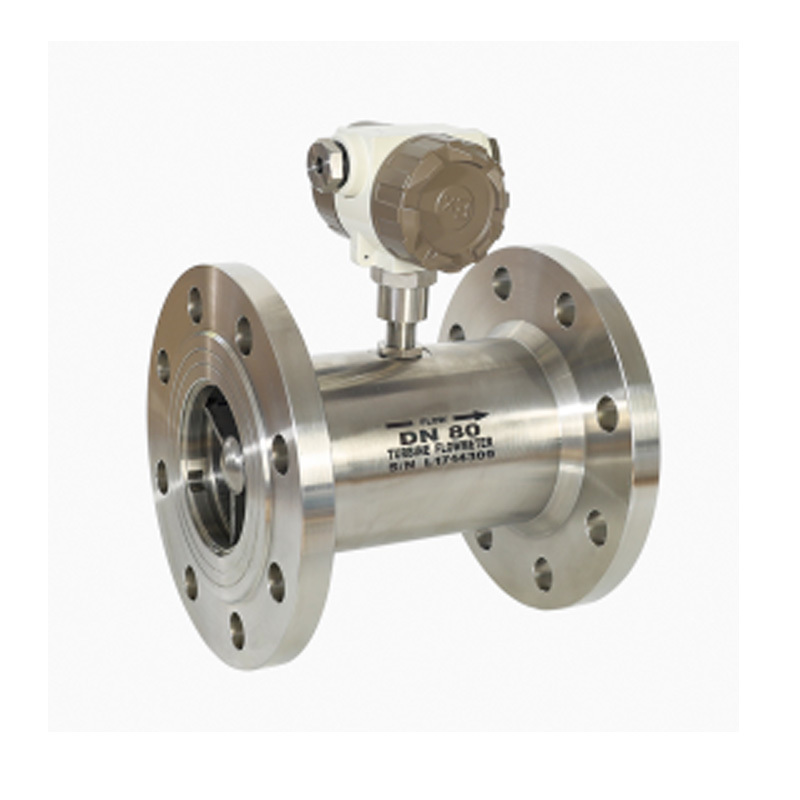
Mastering Calibration Techniques for Liquid Turbine Flow Meters
Calibration is a critical process in ensuring the precision and reliability of liquid turbine flow meters. These devices, commonly used in various industries for measuring flow rates, require regular calibration to maintain accuracy. In this guide, we will delve into the essential calibration techniques for liquid turbine flow meters, providing a comprehensive understanding of the calibration process, factors affecting flow measurement accuracy, and the best practices to follow.
Table of Contents
- 1. Introduction to Liquid Turbine Flow Meters
- 2. Importance of Calibration in Flow Measurement
- 3. Theories Behind Calibration Techniques
- 4. Types of Calibration Techniques for Liquid Turbine Flow Meters
- 5. Steps in the Calibration Process
- 6. Factors Affecting Flow Measurement Accuracy
- 7. Best Practices for Effective Calibration
- 8. Conclusion
- 9. Frequently Asked Questions
1. Introduction to Liquid Turbine Flow Meters
Liquid turbine flow meters are instruments designed to measure the flow of liquids through a pipeline. They operate on the principle of a rotating turbine, which spins as liquid flows past it. The rotational speed of the turbine correlates directly with the flow rate, allowing for precise measurements. These devices are widely used in various industries, including oil and gas, water treatment, food and beverage, and chemical processing.
2. Importance of Calibration in Flow Measurement
Calibration of liquid turbine flow meters ensures that they provide accurate measurements, which are essential for various operational and regulatory reasons. Accurate flow measurement aids in process control, inventory management, and compliance with industry standards. A properly calibrated flow meter can significantly reduce operational costs, improve product quality, and enhance safety by preventing overflows or leaks.
3. Theories Behind Calibration Techniques
Calibration techniques are grounded in various scientific principles and methodologies. The fundamental theory behind calibration involves comparing the measurements of the flow meter against a known reference standard. The resulting data is used to adjust the flow meter, ensuring that its readings correspond accurately to the actual flow rates. This comparison is essential for identifying errors in measurement and ensuring the flow meter's reliability in different operating conditions.
4. Types of Calibration Techniques for Liquid Turbine Flow Meters
There are primarily two types of calibration techniques for liquid turbine flow meters: static calibration and dynamic calibration. Each technique has its specific applications and advantages, depending on the operational requirements.
4.1 Static Calibration
Static calibration involves comparing the flow meter's readings against a known and stable reference point without the flow of liquid. This type of calibration is typically performed in a controlled environment, where the flow meter is subjected to various pressure and temperature conditions to determine its performance. The advantage of static calibration is that it allows for precise adjustments to the flow meter without the influence of external variables.
4.2 Dynamic Calibration
Dynamic calibration, on the other hand, involves calibrating the flow meter under actual flow conditions. This method is essential for understanding how the flow meter responds to real-world variables such as turbulence and varying flow rates. Dynamic calibration is particularly beneficial for verifying the accuracy of flow meters in systems where flow conditions change frequently.
5. Steps in the Calibration Process
The calibration process for liquid turbine flow meters follows several critical steps to ensure accuracy and reliability:
- Preparation: Gather all necessary tools, equipment, and reference standards. Ensure that the calibration environment is stable in terms of temperature and pressure.
- Setup: Install the flow meter in a calibration rig or setup that allows for controlled flow conditions. Connect the meter to a known reference standard.
- Initial Measurements: Record the flow meter's readings at various flow rates, starting from zero and moving to the maximum operational flow rate.
- Data Comparison: Compare the flow meter's readings against the reference standard to identify any discrepancies.
- Adjustment: Make necessary adjustments to the flow meter based on the comparison data.
- Final Testing: Conduct a final round of testing to ensure that the flow meter's readings now align accurately with the reference standard.
6. Factors Affecting Flow Measurement Accuracy
Several factors can influence the accuracy of liquid turbine flow meters. Understanding these factors is crucial for effective calibration and operation.
6.1 Viscosity
Viscosity, or the thickness of a liquid, plays a significant role in the performance of turbine flow meters. Higher viscosity liquids tend to flow less smoothly, which can affect the turbine's rotation and lead to inaccurate measurements. It is essential to calibrate flow meters for specific viscosity levels to ensure accurate readings.
6.2 Temperature
Temperature variations can also impact flow measurement accuracy. As temperature increases, the liquid may expand, affecting its density and viscosity. Calibration should account for the expected temperature ranges in which the meter will operate.
6.3 Pressure
Changes in pressure can significantly affect the flow rate and, consequently, the accuracy of the flow meter. It is vital to consider the pressure conditions under which the flow meter will be used during the calibration process.
7. Best Practices for Effective Calibration
To maximize the effectiveness of the calibration process, consider the following best practices:
- Regular Calibration: Establish a routine calibration schedule based on the operational demands and environmental conditions.
- Use Traceable Standards: Ensure that the reference standards used for calibration are traceable to national or international standards.
- Document Everything: Keep detailed records of all calibration activities, including data comparisons, adjustments made, and conditions during calibration.
- Train Personnel: Ensure that all personnel involved in calibration are adequately trained and understand the importance of accuracy in flow measurement.
- Monitor Performance: After calibration, continuously monitor the flow meter's performance and conduct periodic checks to ensure ongoing accuracy.
8. Conclusion
Understanding and mastering calibration techniques for liquid turbine flow meters is essential for achieving optimal flow measurement performance. By following the outlined practices, industry professionals can ensure that their flow meters operate accurately and reliably, contributing to efficient process management and compliance with industry standards. Remember, regular calibration, consideration of influencing factors, and adherence to best practices are crucial for maintaining the integrity of flow measurement systems.
9. Frequently Asked Questions
What is a liquid turbine flow meter?
A liquid turbine flow meter is a device that measures the flow rate of liquids by analyzing the rotation of a turbine within the meter, which spins as liquid passes through.
Why is calibration important for flow meters?
Calibration is important to ensure that flow meters provide accurate measurements, which are essential for process control, compliance, and reducing operational costs.
What are the two main types of calibration techniques?
The two main types of calibration techniques for liquid turbine flow meters are static calibration and dynamic calibration.
How often should flow meters be calibrated?
The frequency of calibration depends on several factors, including the operating environment, liquid viscosity, and the demands of the application. Regular checks every 6 to 12 months are often recommended.
What factors can affect the accuracy of flow measurement?
Factors such as viscosity, temperature, and pressure can all significantly impact the accuracy of flow measurements in liquid turbine flow meters.

Address:
NanPi County, Cangzhou City, Hebei Province
OEM
From precise design drawings, to rigorous production processes, to strict quality testing, we always uphold the spirit of ingenuity, the pursuit of every detail of the perfect. Our team has a wealth of industry experience and technical strength, according to your specific needs, to provide personalized customized services, to ensure that each product can meet your expectations.