

Precision Metal Stamping: A Game Changer for Aerospace Industries
Precision Metal Stamping: A Game Changer for Aerospace Industries Table of Contents 1. Understanding Precision Metal Stamping 2. The Importance of Metal Stamping in Aerospace Manufacturing 3. Key Advantages of Precision Metal Stamping 3.1 Enhanced Accuracy and Tolerance 3.2 Increased Production Efficiency 3.3 Cost-Effectiveness 3.4 Versatility of Materials 4. Applications of Prec
Mar 01,2026


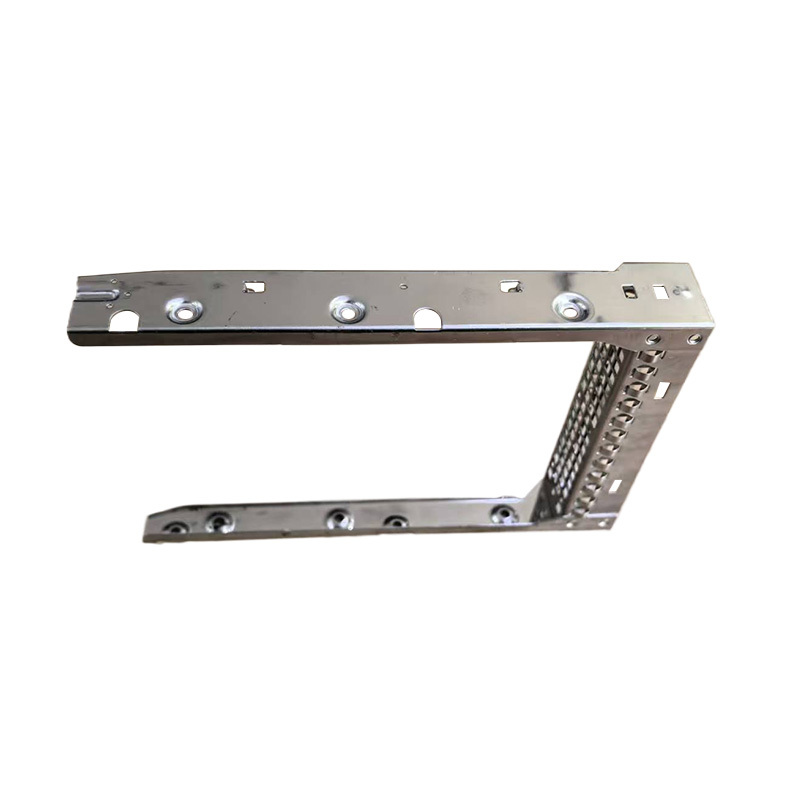
Precision Metal Stamping: A Game Changer for Aerospace Industries
Table of Contents
1. Understanding Precision Metal Stamping
2. The Importance of Metal Stamping in Aerospace Manufacturing
3. Key Advantages of Precision Metal Stamping
3.1 Enhanced Accuracy and Tolerance
3.2 Increased Production Efficiency
3.3 Cost-Effectiveness
3.4 Versatility of Materials
4. Applications of Precision Metal Stamping in Aerospace
4.1 Structural Components
4.2 Engine Parts
4.3 Interior Components
5. The Precision Metal Stamping Process Explained
5.1 Material Selection
5.2 Tooling and Die Design
5.3 Stamping Process Steps
6. Future Trends in Precision Metal Stamping for Aerospace
7. Common Challenges and Solutions in Aerospace Metal Stamping
8. Frequently Asked Questions (FAQs)
9. Conclusion
1. Understanding Precision Metal Stamping
Precision metal stamping is a manufacturing process that involves the use of specialized dies and presses to shape metal sheets into specific forms. This technique is widely used across various industries, but it plays a particularly vital role in aerospace. The need for high precision and high-quality components makes precision metal stamping essential in this sector. By leveraging advanced technologies and techniques, manufacturers can produce intricate parts that meet the stringent standards of aerospace applications.
2. The Importance of Metal Stamping in Aerospace Manufacturing
In the aerospace industry, the reliability and performance of components are critical. Precision metal stamping enables manufacturers to create parts that are not only lightweight but also incredibly strong and durable. The aerospace sector's focus on safety, efficiency, and innovation drives the demand for high-quality stamped components. With the constant evolution of aerospace technology, manufacturers must adapt and utilize advanced metal stamping techniques to meet the industry's growing requirements.
3. Key Advantages of Precision Metal Stamping
Understanding the benefits of precision metal stamping helps illustrate why it has become a cornerstone in aerospace manufacturing.
3.1 Enhanced Accuracy and Tolerance
Precision metal stamping allows for incredibly tight tolerances, often within ±0.002 inches. This accuracy is crucial for aerospace components, where even the smallest deviation can have significant consequences. The ability to produce parts consistently within these tight tolerances helps ensure safety and reliability.
3.2 Increased Production Efficiency
The metal stamping process is known for its speed and efficiency. Once the initial tooling is completed, production can ramp up significantly, allowing for thousands of parts to be manufactured in a short time frame. This efficiency translates to quicker turnaround times, which is essential in the fast-paced aerospace industry.
3.3 Cost-Effectiveness
While the initial investment in tooling can be high, the long-term cost savings associated with mass production make precision metal stamping a cost-effective solution. Lower production costs per unit, combined with reduced waste and rework, contribute to overall savings for manufacturers.
3.4 Versatility of Materials
Precision metal stamping can be performed on various materials, including aluminum, steel, and titanium. The ability to work with different metals gives aerospace manufacturers the flexibility to choose the best material for each application, ensuring optimal performance and durability.
4. Applications of Precision Metal Stamping in Aerospace
Precision metal stamping finds a wide range of applications in the aerospace industry, contributing to various components critical for aircraft functionality and safety.
4.1 Structural Components
Structural components, such as frames and support structures, benefit from the strength and lightweight properties provided by precision metal stamping. These components must withstand significant stress and strain, making precision manufacturing vital.
4.2 Engine Parts
Engine components require the utmost precision, as they directly impact the performance and safety of an aircraft. Precision metal stamping allows for the production of intricate parts, such as brackets and housings, that meet rigorous standards.
4.3 Interior Components
Interior components, including brackets, panels, and seat frames, also utilize precision metal stamping. These parts must not only meet structural requirements but also contribute to the overall aesthetic quality of the aircraft interior.
5. The Precision Metal Stamping Process Explained
To fully appreciate the impact of precision metal stamping, it is essential to understand the process involved in manufacturing these high-quality components.
5.1 Material Selection
The first step in the metal stamping process is selecting the appropriate material. Factors such as weight, strength, and corrosion resistance determine the choice of metal used for aerospace applications.
5.2 Tooling and Die Design
Custom tooling and die design are critical to the precision metal stamping process. The dies must be designed to achieve the desired shape while maintaining tight tolerances. Skilled engineers work closely with manufacturers to develop effective die designs that optimize production efficiency.
5.3 Stamping Process Steps
The stamping process typically involves several steps, including feeding the metal sheet into the press, applying pressure to form the shape, and trimming excess material. Quality control measures are implemented throughout the process to ensure that each part meets the specified requirements.
6. Future Trends in Precision Metal Stamping for Aerospace
As technology evolves, precision metal stamping in the aerospace industry is expected to undergo significant changes. Key trends include the integration of automation, the use of advanced materials, and the adoption of Industry 4.0 practices. Automation can enhance production efficiency and reduce labor costs, while advanced materials will enable manufacturers to create lighter and stronger components.
7. Common Challenges and Solutions in Aerospace Metal Stamping
Despite its many advantages, precision metal stamping does present challenges. Common issues include tooling wear, material deformation, and maintaining quality control. To address these challenges, manufacturers can invest in high-quality tooling, implement regular maintenance schedules, and utilize advanced quality assurance techniques.
8. Frequently Asked Questions (FAQs)
1. What is precision metal stamping?
Precision metal stamping is a manufacturing process that shapes metal sheets into specific forms using specialized dies and presses.
2. What industries use precision metal stamping?
While precision metal stamping is used across various industries, it is particularly important in aerospace, automotive, and electronics.
3. What materials can be used in precision metal stamping?
Common materials include aluminum, steel, and titanium, chosen based on the specific requirements of each application.
4. How does precision metal stamping improve production efficiency?
The stamping process allows for high-speed production, enabling manufacturers to produce large quantities of parts quickly and efficiently.
5. What role does precision metal stamping play in aerospace safety?
Precision metal stamping produces components that meet strict safety and quality standards, thereby ensuring the reliability and performance of aircraft.
9. Conclusion
In conclusion, precision metal stamping is indeed a game changer for the aerospace industry. By offering enhanced accuracy, increased production efficiency, and the ability to work with various materials, this manufacturing process significantly contributes to the creation of high-quality components essential for aircraft performance and safety. As technology continues to evolve, the future of precision metal stamping in aerospace looks promising, with innovations poised to further improve efficiency and quality in the industry. Investing in this advanced manufacturing technique is not only a strategic move for aerospace companies but also a commitment to safety, quality, and innovation in aviation.
Previous:

Address:
NanPi County, Cangzhou City, Hebei Province
OEM
From precise design drawings, to rigorous production processes, to strict quality testing, we always uphold the spirit of ingenuity, the pursuit of every detail of the perfect. Our team has a wealth of industry experience and technical strength, according to your specific needs, to provide personalized customized services, to ensure that each product can meet your expectations.