

A Beginner's Guide to Understanding Precision Forging Stamping Parts
A Beginner's Guide to Understanding Precision Forging Stamping Parts In the realm of manufacturing, precision forging stamping parts play a crucial role in various industries, including automotive, aerospace, and electronics. This article aims to provide a comprehensive overview of precision forging stamping parts, detailing their significance, processes, and applications. Whether you are a newcom
Oct 06,2026


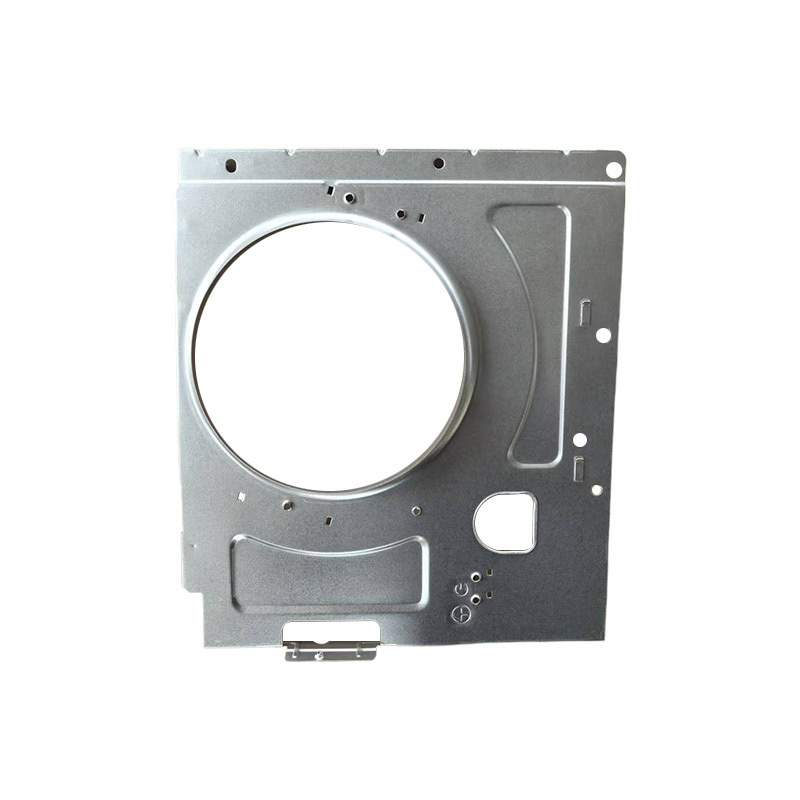
A Beginner's Guide to Understanding Precision Forging Stamping Parts
In the realm of manufacturing, precision forging stamping parts play a crucial role in various industries, including automotive, aerospace, and electronics. This article aims to provide a comprehensive overview of precision forging stamping parts, detailing their significance, processes, and applications. Whether you are a newcomer eager to learn or a seasoned professional looking to refresh your knowledge, this guide offers invaluable insights.
Table of Contents
- What is Precision Forging?
- The Importance of Stamping Parts in Manufacturing
- The Precision Forging Process Explained
- Common Materials Used in Precision Forging
- Advantages of Precision Forging Stamping Parts
- Applications of Precision Forging Stamping Parts
- Choosing the Right Manufacturer for Precision Forging
- The Future of Precision Forging Stamping Parts
- FAQs about Precision Forging Stamping Parts
What is Precision Forging?
Precision forging is a manufacturing process that shapes metal using compressive forces to form intricate parts. This method is characterized by its ability to produce highly accurate and repeatable shapes with minimal waste. Unlike traditional forging processes, which may involve more significant amounts of material loss, precision forging ensures optimal material utilization.
The Mechanics of Precision Forging
The mechanics behind precision forging involve applying force to metal at elevated temperatures. The metal is heated until it reaches a malleable state and is then subjected to dies that shape it into the desired form. This process can be performed in various forms, including open-die forging and closed-die forging, depending on the complexity of the part being produced.
The Importance of Stamping Parts in Manufacturing
Stamping parts are integral to the manufacturing process, serving as essential components in various applications. They are produced through techniques like shearing, punching, and bending, allowing for the creation of complex shapes with precision and efficiency.
Key Benefits of Stamping Parts
- Cost-Effective Production: Stamping allows for high-volume production with lower material costs.
- Precision and Accuracy: The process ensures that parts are made to exact specifications, reducing the need for secondary machining.
- Versatility: Stamping can be used for various materials and is adaptable to different design requirements.
The Precision Forging Process Explained
The precision forging process encompasses several critical steps that ensure the creation of high-quality parts. Understanding these steps is essential for anyone looking to delve into this manufacturing technique.
Step 1: Material Selection
Choosing the right material is the foundation of successful precision forging. Common materials include steel, aluminum, and titanium, each offering unique properties suited for different applications.
Step 2: Heating
The selected metal is heated to its forging temperature, which varies based on the material type. This step is crucial, as it enhances the metal's malleability, allowing it to be shaped without cracking.
Step 3: Forging
During the forging process, the heated metal is placed in a die and subjected to force, shaping it into the desired form. This can be done using various methods, including hydraulic presses and mechanical hammers.
Step 4: Cooling and Finishing
After forging, the parts are cooled, often through quenching or controlled cooling to achieve specific mechanical properties. Finishing processes such as machining, grinding, or polishing may follow to meet precise tolerances and surface requirements.
Common Materials Used in Precision Forging
Precision forging can be performed on a variety of metals, each chosen based on the application's requirements. Understanding the properties of these materials is crucial for selecting the right one for your project.
Steel
Steel is the most commonly used material in precision forging due to its strength, ductility, and excellent machinability. Various grades of steel, including carbon and alloy steels, can be used depending on the desired properties.
Aluminum
Aluminum is favored for its lightweight and corrosion-resistant properties, making it ideal for applications in the aerospace and automotive industries.
Titanium
Titanium offers exceptional strength-to-weight ratios and resistance to extreme temperatures, making it a popular choice for high-performance applications.
Advantages of Precision Forging Stamping Parts
Precision forging stamping parts come with numerous advantages that make them an appealing choice in manufacturing.
Enhanced Strength
The forging process aligns the grain structure of the metal, enhancing its strength and durability. This results in parts that can withstand higher loads and stresses compared to those made through other methods.
Improved Surface Finish
Precision forging provides a superior surface finish, reducing the need for additional machining processes. This not only saves time but also lowers manufacturing costs.
Increased Production Efficiency
With the ability to produce large quantities of parts quickly, precision forging significantly boosts production efficiency, making it an attractive option for manufacturers.
Applications of Precision Forging Stamping Parts
The applications of precision forging stamping parts are vast, spanning multiple industries. Understanding these applications can provide insight into the versatility of this manufacturing technique.
Automotive Industry
In the automotive sector, precision forging is used to create components such as gears, axles, and crankshafts, where strength and precision are critical.
Aerospace Sector
The aerospace industry relies on precision-forged parts for engine components, structural elements, and landing gear due to their lightweight and high-strength properties.
Electronics Manufacturing
Precision forging also plays a role in electronics, with applications in connectors, housings, and other intricate components that require precise dimensions and reliable performance.
Choosing the Right Manufacturer for Precision Forging
Selecting the right manufacturer is a crucial step in ensuring the quality of precision forging stamping parts. Consider the following factors:
Experience and Expertise
Look for manufacturers with extensive experience in precision forging. Their expertise can significantly impact the quality of the parts produced.
Quality Certifications
Ensure that the manufacturer meets quality standards such as ISO certifications, which demonstrate their commitment to maintaining high-quality production processes.
Technology and Equipment
Advanced machinery and technology play a significant role in precision forging. Choose a manufacturer that invests in modern equipment to ensure accuracy and efficiency.
The Future of Precision Forging Stamping Parts
The future of precision forging is promising, with advancements in technology and materials continually enhancing this manufacturing process. Innovations in computer-aided design (CAD) and simulation software are streamlining the design and production processes, allowing for even greater precision and efficiency. Additionally, the rise of sustainable practices in manufacturing is likely to influence the materials and methods used in precision forging, leading to more eco-friendly options.
FAQs about Precision Forging Stamping Parts
1. What is the main difference between traditional forging and precision forging?
Traditional forging often results in more material waste and less precise shapes, while precision forging focuses on minimizing waste and achieving exact dimensions.
2. Can any metal be used for precision forging?
While many metals can be forged, commonly used materials include steel, aluminum, and titanium, each selected based on the specific requirements of the application.
3. How does precision forging impact the mechanical properties of parts?
The forging process enhances the strength and ductility of the metal by aligning its grain structure, resulting in superior mechanical properties.
4. What industries benefit from precision forging?
Industries such as automotive, aerospace, and electronics heavily rely on precision forging for high-quality components.
5. How can I ensure the quality of precision forged parts?
Choose a reputable manufacturer with experience, quality certifications, and advanced technology to ensure the production of high-quality precision forged parts.
Conclusion
Precision forging stamping parts are a cornerstone of modern manufacturing, offering unparalleled strength, efficiency, and precision. Understanding the intricacies of this process allows businesses to harness its advantages effectively. From the selection of materials to the final applications, every aspect of precision forging plays a vital role in achieving high-quality parts. As technology advances and industries evolve, the future of precision forging appears bright, promising continued innovation and improvement in manufacturing practices.

Address:
NanPi County, Cangzhou City, Hebei Province
OEM
From precise design drawings, to rigorous production processes, to strict quality testing, we always uphold the spirit of ingenuity, the pursuit of every detail of the perfect. Our team has a wealth of industry experience and technical strength, according to your specific needs, to provide personalized customized services, to ensure that each product can meet your expectations.