

A Comprehensive Exploration of Headlight Crossbeam Reinforcement Plates: Understanding Their Durability
A Comprehensive Exploration of Headlight Crossbeam Reinforcement Plates: Understanding Their Durability Table of Contents 1. Introduction to Headlight Crossbeam Reinforcement Plates 2. The Importance of Durability in Automotive Components 3. Materials Used in Headlight Crossbeam Reinforcement Plates 4. Manufacturing Processes of Reinforcement Plates 5. Factors Affecting the Du
Oct 03,2026


A Comprehensive Exploration of Headlight Crossbeam Reinforcement Plates: Understanding Their Durability
Table of Contents
- 1. Introduction to Headlight Crossbeam Reinforcement Plates
- 2. The Importance of Durability in Automotive Components
- 3. Materials Used in Headlight Crossbeam Reinforcement Plates
- 4. Manufacturing Processes of Reinforcement Plates
- 5. Factors Affecting the Durability of Headlight Crossbeam Reinforcement Plates
- 6. Testing Durability: Methods and Standards
- 7. Real-World Applications and Case Studies
- 8. Future Trends in Headlight Crossbeam Reinforcement Plate Durability
- 9. Frequently Asked Questions
- 10. Conclusion
1. Introduction to Headlight Crossbeam Reinforcement Plates
Headlight crossbeam reinforcement plates are pivotal components in the automotive industry, primarily designed to support the headlight assembly and enhance structural integrity. These plates not only ensure proper alignment and positioning of headlights but also contribute significantly to the vehicle's aesthetic appeal. In an age where safety and performance are paramount, understanding the durability of these plates is crucial for manufacturers and consumers alike.
2. The Importance of Durability in Automotive Components
When it comes to automotive design, **durability** is a non-negotiable aspect. Headlights are subject to harsh environmental conditions, including extreme temperatures, moisture, and vibrations. Therefore, the materials and design of reinforcement plates must be robust enough to withstand these challenges. A failure in this component can lead to misaligned headlights, reduced visibility, and potentially hazardous driving conditions. This underscores the need for rigorous testing and high-quality manufacturing processes to ensure longevity and reliability.
3. Materials Used in Headlight Crossbeam Reinforcement Plates
The choice of materials for headlight crossbeam reinforcement plates plays a vital role in their durability and overall performance. Several materials are commonly used:
3.1 Steel Alloys
Steel alloys are often preferred due to their exceptional strength and resistance to deformation. They provide excellent protection against impact and wear, making them suitable for high-performance vehicles.
3.2 Aluminum
Aluminum has gained popularity in recent years for its lightweight properties and good resistance to corrosion. Although it may not offer the same strength as steel, advancements in aluminum alloys have enhanced their performance in automotive applications.
3.3 Composite Materials
Composite materials, such as fiberglass-reinforced plastics, combine lightweight properties with durability. These materials can be engineered to provide specific performance characteristics, making them adaptable to various automotive designs.
3.4 Coatings and Treatments
To enhance the durability of these plates, manufacturers often apply protective coatings or treatments. This could include galvanization for steel plates or anodization for aluminum, significantly improving corrosion resistance.
4. Manufacturing Processes of Reinforcement Plates
The manufacturing process of headlight crossbeam reinforcement plates is crucial for ensuring their quality and durability. Common processes include:
4.1 Stamping
Stamping is a prevalent method used for shaping metal plates. This process allows for precise dimensions and shapes, ensuring a perfect fit within the headlight assembly.
4.2 Machining
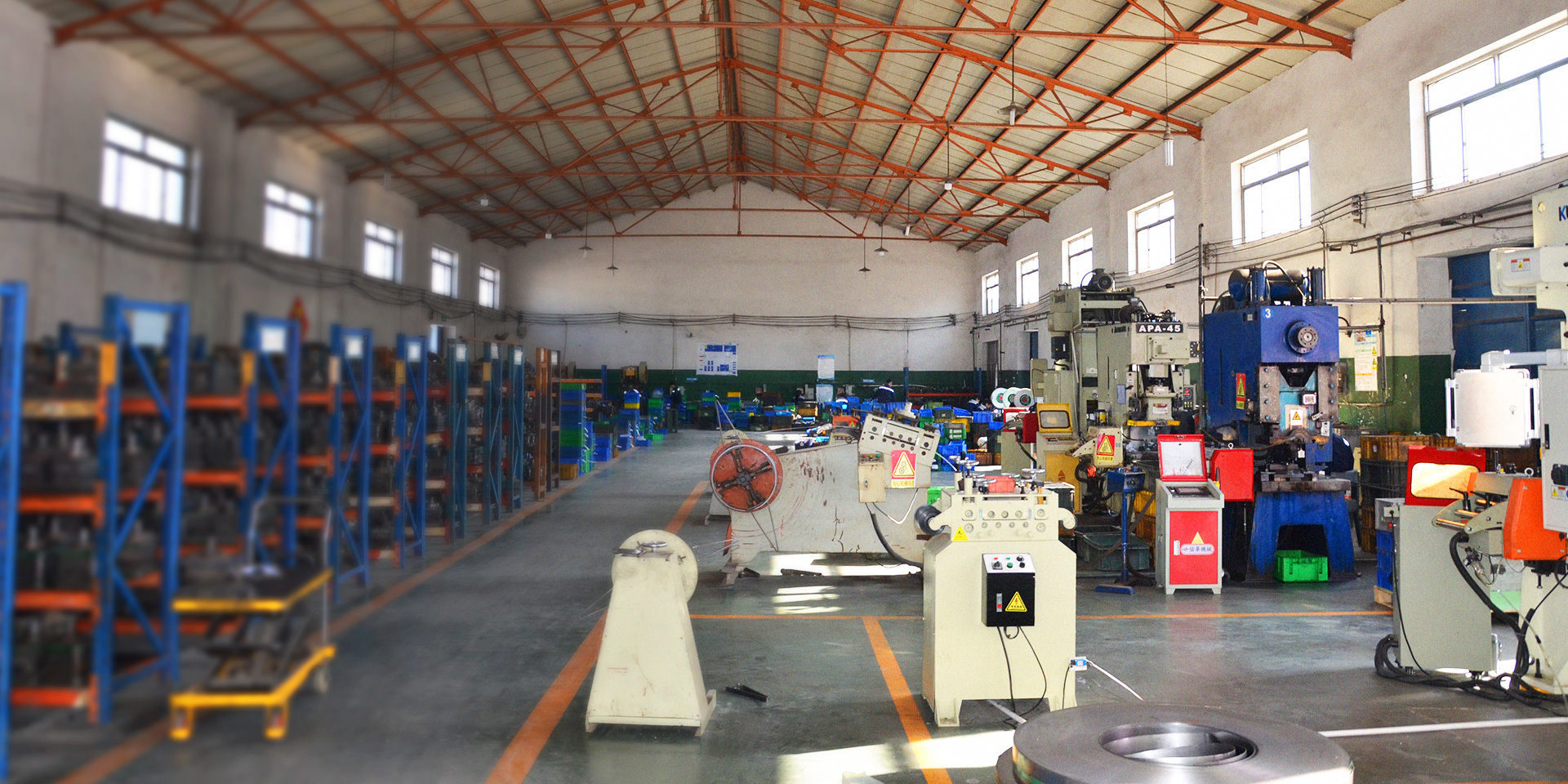
For components that require high precision, machining processes such as CNC (Computer Numerical Control) can be employed. This method ensures that every detail meets strict specifications, enhancing the plate's overall performance.
4.3 Welding and Assembly
Once the individual parts are formed, they undergo welding or assembly processes to create the final reinforcement plate. Quality control checks are essential at this stage to ensure structural integrity.
5. Factors Affecting the Durability of Headlight Crossbeam Reinforcement Plates
Several factors can influence the durability of headlight crossbeam reinforcement plates:
5.1 Environmental Conditions
Exposure to UV rays, moisture, and temperature fluctuations can degrade materials over time. Understanding these conditions allows manufacturers to select appropriate materials and coatings.
5.2 Impact Resistance
Plates must withstand impacts from road debris and minor collisions. Testing for impact resistance is a critical part of the manufacturing process to ensure safety.
5.4 Design and Engineering
The design of reinforcement plates plays a significant role in their durability. Engineers must consider stress points and potential vulnerabilities in the design phase to prevent failures.
6. Testing Durability: Methods and Standards
Ensuring the durability of headlight crossbeam reinforcement plates involves rigorous testing:
6.1 Accelerated Life Testing
This method subjects plates to conditions that simulate long-term use in a condensed timeframe. This approach helps predict the lifespan of the components.
6.2 Static and Dynamic Load Testing
Load testing evaluates how plates react under various stress conditions, ensuring that they can withstand typical driving scenarios.
6.3 Environmental Testing
Plates are exposed to extreme weather conditions, including humidity, salt spray, and temperature variations, to assess their performance in real-world environments.
7. Real-World Applications and Case Studies
Headlight crossbeam reinforcement plates have various applications across different automotive segments.
7.1 Passenger Vehicles
In passenger vehicles, the durability of headlight reinforcement plates is critical for ensuring long-lasting performance and safety. Case studies show that vehicles with high-quality materials experience fewer maintenance issues over time.
7.2 Commercial Trucks
For commercial trucks that endure heavier use, the durability of these plates is even more crucial. Reinforcement plates made from high-strength steel alloys have shown superior performance in heavy-duty applications.
7.3 Electric and Hybrid Vehicles
As the market for electric and hybrid vehicles grows, the need for lightweight and durable components has become essential. The integration of advanced materials in headlight reinforcement plates has contributed to improved energy efficiency without compromising safety.
8. Future Trends in Headlight Crossbeam Reinforcement Plate Durability
The future of headlight crossbeam reinforcement plates is bright, with several trends emerging:
8.1 Advanced Materials
Research into new materials, including high-strength polymers and composites, promises to enhance durability while reducing weight.
8.2 Smart Technologies
Integration of smart technologies within headlight assemblies may lead to innovative designs for reinforcement plates, enabling real-time monitoring of their condition.
8.3 Sustainable Manufacturing
As the automotive industry moves towards sustainability, the use of eco-friendly materials and processes will become increasingly important in the production of headlight reinforcement plates.
9. Frequently Asked Questions
9.1 What is the primary function of headlight crossbeam reinforcement plates?
The primary function is to support and align the headlight assembly, enhancing structural integrity and safety.
9.2 How do environmental conditions affect these plates?
Environmental factors like temperature, humidity, and UV exposure can lead to material degradation over time, impacting durability.
9.3 What materials are best for durability?
Steel alloys, aluminum, and advanced composites are considered optimal for durability, depending on the application.
9.4 How is the durability of these plates tested?
Durability is assessed through various methods, including accelerated life testing, static and dynamic load testing, and environmental testing.
9.5 What are the future trends in manufacturing these plates?
Future trends include the use of advanced materials, integration of smart technologies, and a focus on sustainable manufacturing practices.
10. Conclusion
In conclusion, headlight crossbeam reinforcement plates are vital components that significantly affect vehicle safety and performance. Understanding their durability involves looking at materials, manufacturing processes, and the various factors influencing their longevity. As technology advances, manufacturers will continue to innovate, ensuring that these essential components not only meet but exceed the expectations of safety and reliability in the ever-evolving automotive landscape. Investing in high-quality reinforcement plates is not just an option; it’s a necessity for any vehicle aiming for safety and durability on the road.

Address:
NanPi County, Cangzhou City, Hebei Province
OEM
From precise design drawings, to rigorous production processes, to strict quality testing, we always uphold the spirit of ingenuity, the pursuit of every detail of the perfect. Our team has a wealth of industry experience and technical strength, according to your specific needs, to provide personalized customized services, to ensure that each product can meet your expectations.