

Enhancing Mechanical Performance with CNC Milling and Turning Parts
Enhancing Mechanical Performance with CNC Milling and Turning Parts In today's competitive manufacturing landscape, optimizing mechanical performance is essential for success. **CNC milling and turning** parts have emerged as pivotal technologies that enhance precision, efficiency, and product quality. Understanding how these processes work and their applications can significantly impact your prod
Oct 09,2026


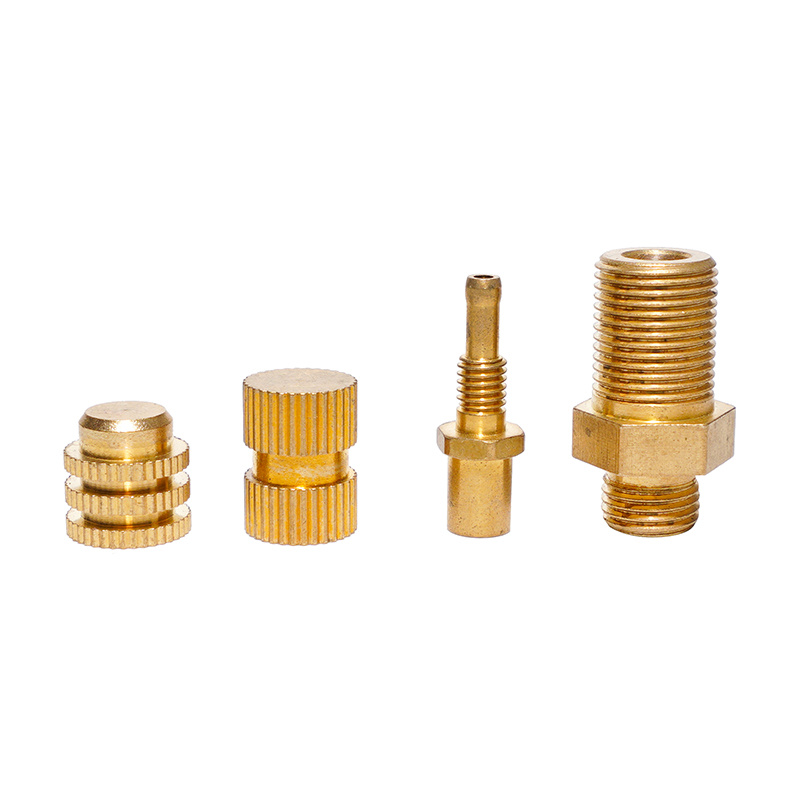
Enhancing Mechanical Performance with CNC Milling and Turning Parts
In today's competitive manufacturing landscape, optimizing mechanical performance is essential for success. **CNC milling and turning** parts have emerged as pivotal technologies that enhance precision, efficiency, and product quality. Understanding how these processes work and their applications can significantly impact your production capabilities. This article delves into the nuances of CNC milling and turning, providing insights for manufacturers aiming to improve their mechanical performance.
Table of Contents
- 1. Understanding CNC Machining
- 2. Benefits of CNC Milling and Turning Parts
- 3. Applications of CNC Milling and Turning in Various Industries
- 4. Comparison of CNC Milling and Turning
- 5. Choosing the Right CNC Process for Your Needs
- 6. Best Materials for CNC Machining
- 7. Maintenance of CNC Machined Parts
- 8. Future of CNC Machining: Trends and Innovations
- 9. FAQs
- 10. Conclusion
1. Understanding CNC Machining
CNC, or Computer Numerical Control, is a manufacturing process that utilizes computer software to control machine tools. This technology allows for high-precision fabrication of parts and components, making it indispensable in modern manufacturing. CNC milling and turning are two of the most common CNC machining processes.
What is CNC Milling?
CNC milling involves the use of rotating cutting tools to remove material from a workpiece. The **CNC milling machine** can create complex shapes and features, including holes, slots, and contours. The process is known for its ability to handle various materials, including metals, plastics, and wood.
What is CNC Turning?
CNC turning, on the other hand, focuses on rotating the workpiece against a stationary cutting tool. This method is particularly effective for producing cylindrical parts, such as shafts and fittings. The precision offered by CNC turning allows for tight tolerances and intricate designs.
2. Benefits of CNC Milling and Turning Parts
The advantages of **CNC milling and turning** extend beyond mere precision. Here are some key benefits:
Enhanced Precision and Accuracy
One of the primary benefits of CNC machining is its ability to produce highly accurate parts. With tolerances as tight as ±0.001 inches, CNC milling and turning ensure that components meet strict specifications.
Increased Efficiency and Speed
CNC machines can operate continuously without human intervention, leading to higher production rates. The ability to program multiple operations allows manufacturers to complete complex tasks in less time.
Reduced Waste and Material Costs
By using CNC machining, manufacturers can minimize material waste. The precision of the cutting process ensures that less material is wasted, ultimately reducing costs.
Flexibility and Customization
CNC milling and turning offer exceptional flexibility. Manufacturers can easily change designs and specifications without the need for extensive retooling, allowing for quick adaptations to market demands.
3. Applications of CNC Milling and Turning in Various Industries
CNC milling and turning are utilized across a wide range of industries. Here are some notable applications:
Aerospace Industry
In the aerospace sector, precision is paramount. CNC machined parts are used in aircraft components, ensuring safety and reliability. Components such as brackets, housings, and engine parts are frequently produced using CNC technology.
Automotive Industry
The automotive industry relies heavily on CNC machining for various parts, including engine components, transmission parts, and suspension systems. The ability to produce intricate designs and maintain high tolerances is crucial for performance and safety.
Medical Device Manufacturing
CNC milling and turning play a vital role in medical device manufacturing. Components such as surgical instruments, implants, and diagnostic tools must adhere to stringent quality standards, making CNC machining the ideal solution.
Electronics Manufacturing
In electronics, CNC machined parts are used in devices ranging from smartphones to computers. The precision required for circuit boards and connectors makes CNC machining indispensable in this industry.
4. Comparison of CNC Milling and Turning
While both CNC milling and turning are essential machining processes, they have distinct differences:
Process Overview
CNC milling is a versatile process suitable for creating complex shapes, while CNC turning excels in producing cylindrical objects. Understanding these differences can help manufacturers choose the appropriate method for their projects.
Material Removal Techniques
In CNC milling, material is removed via a rotating cutter, whereas, in CNC turning, the workpiece rotates against a fixed cutting tool. This fundamental difference influences the choice of process based on the design and specifications of the part.
Applications Suitability
CNC milling is often preferred for parts requiring intricate details and features, while CNC turning is ideal for producing symmetrical parts. Evaluating the specific needs of a project is essential when deciding which process to employ.
5. Choosing the Right CNC Process for Your Needs
Selecting the appropriate CNC process involves considering several factors:
Part Complexity
Assess the complexity of the part you want to produce. If it requires intricate designs, CNC milling may be the better option. For simpler, cylindrical parts, CNC turning should suffice.
Material Type
Different materials require different machining techniques. Understanding the properties of the material can help determine which CNC process will yield the best results.
Production Volume
For large production volumes, CNC turning can be more efficient due to its speed. Conversely, for low-volume runs with complex parts, CNC milling might be more practical.
6. Best Materials for CNC Machining
The choice of material significantly influences the performance and durability of CNC machined parts. Here are some of the best materials for CNC milling and turning:
Aluminum
Aluminum is lightweight and highly machinable, making it a popular choice for various applications. It offers excellent corrosion resistance and is often used in aerospace and automotive industries.
Stainless Steel
Stainless steel is known for its strength and durability. Its resistance to corrosion makes it suitable for applications in medical devices and food processing equipment.
Plastics
CNC machining can also be performed on various plastics, such as acrylic and nylon. These materials are commonly used in consumer products and prototypes due to their versatility.
Brass
Brass is favored for its machinability and aesthetic appeal. It's often used in electrical components and decorative items.
7. Maintenance of CNC Machined Parts
Maintaining CNC machined parts is essential for ensuring longevity and performance. Here are some best practices:
Regular Inspection
Conduct regular inspections to identify any wear or damage to parts. Early detection can prevent costly failures and downtime.
Proper Cleaning
Keep machined parts clean to prevent contamination and corrosion. Use appropriate cleaning agents based on the material type.
Lubrication
Ensure that moving parts are properly lubricated to reduce friction and wear. Following manufacturer recommendations for lubrication is crucial.
8. Future of CNC Machining: Trends and Innovations
The landscape of CNC machining is continuously evolving. Here are some trends shaping the future:
Integration of AI and Automation
The integration of artificial intelligence (AI) and automation in CNC machining processes enhances efficiency and reduces human error. These technologies allow for smarter, more adaptive manufacturing systems.
3D Printing Integration
Combining CNC machining with 3D printing techniques is gaining traction. This hybrid approach allows for creating more complex geometries and reducing material waste.
Sustainability Practices
As industries push towards sustainability, CNC machining is also adapting. Companies are exploring eco-friendly materials and processes to minimize environmental impact.
9. FAQs
What is the difference between CNC milling and CNC turning?
CNC milling involves rotating cutting tools to remove material from a stationary workpiece, while CNC turning rotates the workpiece against a fixed cutting tool, primarily for cylindrical parts.
What materials can be machined using CNC technology?
CNC machining can be performed on various materials, including metals like aluminum and stainless steel, as well as plastics and composites.
How do I choose between CNC milling and turning for my project?
Consider factors such as part complexity, material type, and production volume to determine the most suitable CNC process for your needs.
What are the maintenance requirements for CNC machined parts?
Regular inspections, proper cleaning, and lubrication are essential for maintaining CNC machined parts to ensure longevity and performance.
What are the emerging trends in CNC machining?
Integration of AI and automation, 3D printing technologies, and sustainability practices are key trends shaping the future of CNC machining.
10. Conclusion
CNC milling and turning parts are vital in enhancing mechanical performance across various industries. By understanding the intricacies of these processes, the benefits they offer, and the materials suited for them, manufacturers can leverage CNC technology to gain a competitive edge. As advancements continue to unfold, embracing these innovations will be crucial for businesses aiming to optimize their operations and meet the evolving demands of the market.
Previous:

Address:
NanPi County, Cangzhou City, Hebei Province
OEM
From precise design drawings, to rigorous production processes, to strict quality testing, we always uphold the spirit of ingenuity, the pursuit of every detail of the perfect. Our team has a wealth of industry experience and technical strength, according to your specific needs, to provide personalized customized services, to ensure that each product can meet your expectations.