

The Art of Precision: Crafting CNC Milling and Turning Parts for Optimal Performance
The Art of Precision: Crafting CNC Milling and Turning Parts Table of Contents 1. Introduction to CNC Machining 2. What is CNC Milling and Turning? 3. Benefits of CNC Milling and Turning 4. The CNC Machining Process 4.1 The CNC Milling Process 4.2 The CNC Turning Process 5. Materials Used in CNC Machining 6. Applications of CN
Mar 10,2026


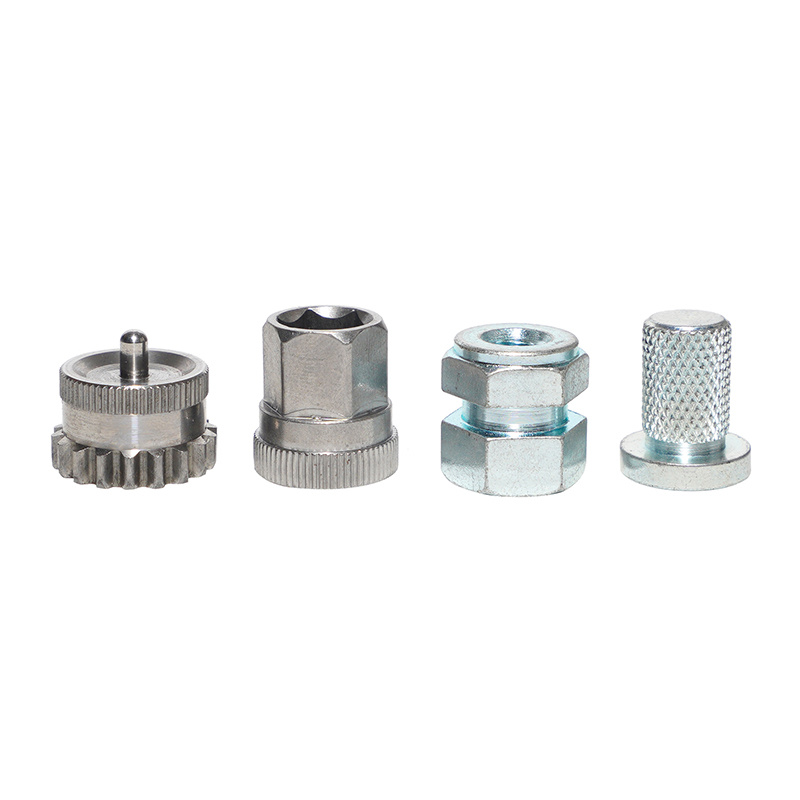
The Art of Precision: Crafting CNC Milling and Turning Parts
Table of Contents
- 1. Introduction to CNC Machining
- 2. What is CNC Milling and Turning?
- 3. Benefits of CNC Milling and Turning
- 4. The CNC Machining Process
- 5. Materials Used in CNC Machining
- 6. Applications of CNC Machining in Various Industries
- 7. Choosing the Right CNC Machining Service
- 8. The Future of CNC Machining
- 9. Frequently Asked Questions
- 10. Conclusion
1. Introduction to CNC Machining
CNC (Computer Numerical Control) machining has revolutionized the manufacturing industry by providing a highly efficient way to create precision parts. By utilizing computer-controlled machines, manufacturers can produce intricate components that meet strict tolerances. This process has expanded the capabilities of traditional machining, allowing for greater complexity and precision in the production of parts.
2. What is CNC Milling and Turning?
CNC milling and turning are two fundamental processes used in CNC machining.
CNC Milling
CNC milling involves the use of rotary cutters to remove material from a workpiece. The cutter moves in multiple directions, allowing for the creation of complex shapes and features. This method is ideal for producing flat surfaces, slots, and intricate contours.
CNC Turning
CNC turning, on the other hand, involves rotating the workpiece against a stationary cutting tool. This process is primarily used to produce cylindrical parts, such as shafts, pins, and bushings. The turning process is known for its efficiency in producing symmetrical parts with high accuracy.
3. Benefits of CNC Milling and Turning
The advantages of CNC milling and turning are numerous, making them the preferred choice for many manufacturers.
Enhanced Precision
One of the most significant benefits is the enhanced precision that CNC machines offer. Automated control minimizes human error, allowing for tolerances as tight as ±0.005 inches.
Increased Efficiency
CNC machines can operate continuously, producing parts at a much faster rate than manual methods. This efficiency translates into lower labor costs and quicker turnaround times.
Flexibility and Versatility
CNC machining can accommodate a wide range of materials and complex geometries, making it suitable for various applications across multiple industries.
Cost-Effectiveness
While the initial setup costs for CNC machining can be high, the long-term savings in labor and material waste often outweigh these expenses.
4. The CNC Machining Process
Understanding the CNC machining process is crucial for optimizing production and achieving the desired outcomes.
4.1 The CNC Milling Process
The CNC milling process begins with the design of a 3D model, which is translated into G-code. The G-code directs the CNC machine on how to move and operate. The workpiece is clamped securely, and the milling cutter begins to remove material according to the programmed specifications. The process involves multiple passes and may require different tools for various features.
4.2 The CNC Turning Process
Similarly, in CNC turning, the operator starts with a digital model. The workpiece is mounted on a spindle, and the cutting tool is programmed to move along the length of the rotating part. The CNC lathe removes material until the part reaches the desired dimensions.
5. Materials Used in CNC Machining
CNC machining can work with a diverse range of materials, each selected based on the application and required properties.
Metals
Common metals used include aluminum, steel, brass, copper, and titanium. Each metal offers different strength, weight, and machinability characteristics.
Plastics
Plastics such as acrylic, nylon, and polycarbonate are also popular due to their lightweight nature and resistance to corrosion.
Composites
Composite materials, combining different substances to achieve superior properties, are increasingly used in CNC machining, especially in aerospace and automotive applications.
6. Applications of CNC Machining in Various Industries
CNC milling and turning find applications in a wide range of industries, showcasing their versatility.
Aerospace
In the aerospace sector, precision parts are critical. CNC machining produces components such as brackets, housings, and engine parts, adhering to stringent safety standards.
Automotive
The automotive industry relies on CNC machining for producing everything from complex engine components to simple brackets, ensuring high performance and reliability.
Medical Devices
CNC machining plays a vital role in creating surgical instruments and implants, where precision and material biocompatibility are paramount.
Electronics
In electronics, CNC machining is used to manufacture housings, connectors, and circuit boards, contributing to the efficiency and functionality of devices.
7. Choosing the Right CNC Machining Service
Selecting the appropriate CNC machining service is crucial for achieving high-quality results.
Experience and Expertise
Evaluate the company's experience in your specific industry. An experienced provider is more likely to understand the intricacies of your project's requirements.
Technological Capabilities
Ensure the service utilizes the latest CNC technology and machinery, as this will influence the precision and efficiency of your production.
Quality Assurance
Look for services that implement strict quality control measures, including inspections and certifications, to guarantee the reliability of their products.
8. The Future of CNC Machining
The future of CNC machining appears promising, driven by advancements in technology.
Automation and AI Integration
The integration of automation and AI is set to revolutionize CNC machining. Smart machines will analyze data in real-time, optimizing processes and reducing downtime.
3D Printing Synergy
Combining CNC machining with 3D printing capabilities allows for hybrid manufacturing processes, enhancing flexibility and creativity in design and production.
Sustainability Initiatives
As industries move towards sustainability, CNC machining is evolving to minimize waste and utilize eco-friendly materials, contributing to a more sustainable manufacturing landscape.
9. Frequently Asked Questions
What is the difference between CNC milling and CNC turning?
CNC milling uses rotating cutters to remove material from a stationary workpiece, while CNC turning involves rotating the workpiece against a stationary cutting tool.
What materials can CNC machines work with?
CNC machines can work with various materials, including metals (aluminum, steel, titanium), plastics (acrylic, nylon), and composites.
How precise are CNC machined parts?
CNC machining can achieve tolerances as tight as ±0.005 inches, making it highly precise for intricate components.
What industries benefit from CNC machining?
CNC machining is widely used in aerospace, automotive, medical devices, and electronics, among other industries.
How do I choose the right CNC machining service?
Consider factors such as the provider's experience, technological capabilities, and quality assurance measures when selecting a CNC machining service.
10. Conclusion
CNC milling and turning represent the pinnacle of precision manufacturing, offering unparalleled accuracy, efficiency, and versatility. As industries continue to evolve, the importance of these processes cannot be overstated. By understanding the intricacies of CNC machining and selecting the right service provider, businesses can enhance their production capabilities and achieve outstanding results. Embracing the art of precision ensures that manufacturers remain competitive in a rapidly changing market, paving the way for innovation and growth.

Address:
NanPi County, Cangzhou City, Hebei Province
OEM
From precise design drawings, to rigorous production processes, to strict quality testing, we always uphold the spirit of ingenuity, the pursuit of every detail of the perfect. Our team has a wealth of industry experience and technical strength, according to your specific needs, to provide personalized customized services, to ensure that each product can meet your expectations.