

Precision Metal Stamping: The Ultimate Solution for High-Quality Components
Precision Metal Stamping: The Ultimate Solution for High-Quality Components Table of Contents 1. Introduction to Precision Metal Stamping 2. What is Metal Stamping? 3. The Process of Metal Stamping 4. Benefits of Precision Metal Stamping 5. Applications of Precision Metal Stamping 6. Choosing the Right Metal Stamping Partner 7. Common Materials Used in Metal Stamping 8. Advanc
Aug 31,2026


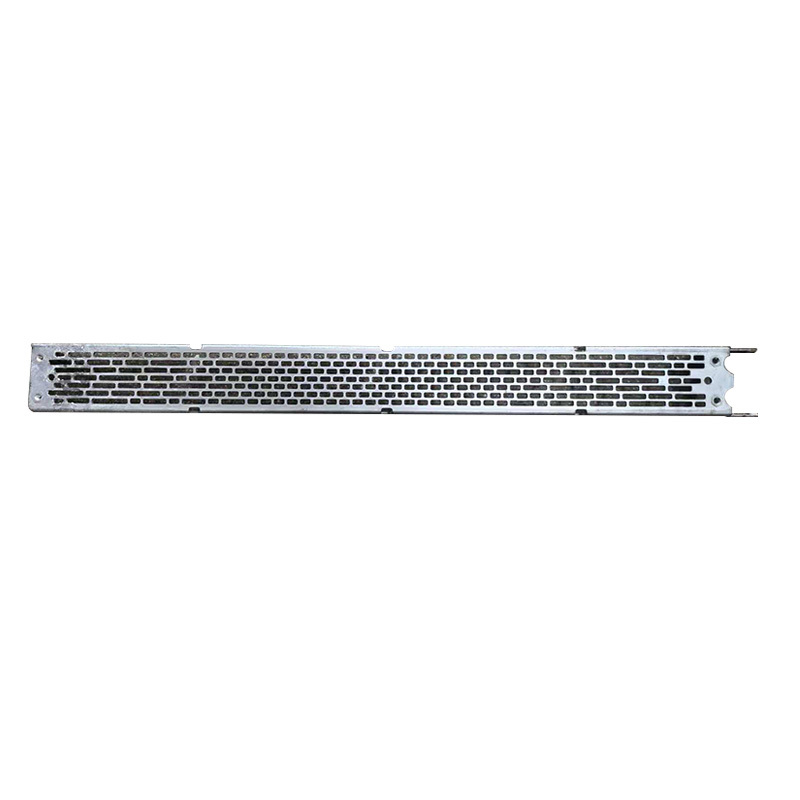
Precision Metal Stamping: The Ultimate Solution for High-Quality Components
Table of Contents
- 1. Introduction to Precision Metal Stamping
- 2. What is Metal Stamping?
- 3. The Process of Metal Stamping
- 4. Benefits of Precision Metal Stamping
- 5. Applications of Precision Metal Stamping
- 6. Choosing the Right Metal Stamping Partner
- 7. Common Materials Used in Metal Stamping
- 8. Advanced Technologies in Metal Stamping
- 9. Conclusion
- 10. FAQs
1. Introduction to Precision Metal Stamping
Precision metal stamping is a crucial process in the manufacturing industry that allows for the creation of high-quality components. By employing advanced techniques and machinery, this process not only enhances the accuracy of parts but also increases production efficiency. In a landscape where quality and precision are paramount, understanding the intricacies of metal stamping becomes essential for both manufacturers and customers alike.
2. What is Metal Stamping?
Metal stamping is a manufacturing process that involves the shaping of metal sheets into specific forms through the application of pressure. This pressure can be applied using various methods, including mechanical or hydraulic presses. The process involves several steps, such as cutting, bending, and forming, which result in the creation of parts that meet precise specifications.
2.1 The Key Components of Metal Stamping
To fully grasp the concept of metal stamping, it is important to understand its key components:
- **Metal sheets:** The primary material used in the stamping process, available in various types and thicknesses.
- **Press machines:** The equipment used to apply pressure on the metal sheets, which can range from small benchtop models to large industrial machines.
- **Die sets:** Custom-made tools that shape the metal during the stamping process. They can be designed for single or multiple operations.
3. The Process of Metal Stamping
The metal stamping process typically involves several stages that ensure the final product meets industry standards and customer specifications.
3.1 Designing the Die and Tooling
Before the actual stamping begins, engineers design the die and tooling. This initial step is crucial, as it determines the accuracy and quality of the final product. Computer-aided design (CAD) software is often used to create detailed blueprints that outline the dimensions and features of the component.
3.2 Material Selection
Choosing the right material is vital for achieving the desired properties in the finished part. Factors such as strength, ductility, and corrosion resistance must be considered when selecting the metal sheet.
3.3 Stamping Operations
Once the die and material are prepared, the stamping operations commence. Common operations include:
- **Blanking:** Cutting out the basic shape from the metal sheet.
- **Bending:** Altering the shape of the blank to create angles or curves.
- **Forming:** Creating more complex shapes through additional pressure applications.
3.4 Quality Control
Throughout the stamping process, quality control measures are implemented to ensure that the components meet the required specifications. This may involve dimensional checks, material testing, and visual inspections.
4. Benefits of Precision Metal Stamping
Precision metal stamping offers a host of advantages that make it an attractive option for manufacturers.
4.1 High Precision and Consistency
One of the primary benefits of precision metal stamping is the ability to produce components with high accuracy. The use of advanced machinery and tooling ensures that each part conforms to exact specifications, leading to consistent quality across production batches.
4.2 Cost-Effectiveness
When compared to traditional manufacturing processes, metal stamping often proves to be more cost-effective. The efficiency of the process allows for higher production rates with lower labor costs, ultimately reducing the overall cost of the components.
4.3 Versatility
Metal stamping can be applied to a wide range of materials and is suitable for producing a variety of parts. From simple brackets to complex automotive components, the versatility of metal stamping makes it a valuable tool in various industries.
4.4 Reduced Waste
The precision of the stamping process contributes to reduced material waste, as the dies are designed to make the most efficient use of the metal sheets. This not only benefits the environment but also decreases production costs.
5. Applications of Precision Metal Stamping
The applications of precision metal stamping are vast and span numerous industries. Below are some of the key sectors that benefit from this manufacturing process.
5.1 Automotive Industry
In the automotive sector, precision metal stamping is used for manufacturing critical components such as brackets, housings, and chassis parts. The demand for lightweight yet durable materials makes metal stamping an ideal choice for automotive manufacturers.
5.2 Electronics Sector
The electronics industry relies on precision metal stamping for components such as connectors, switches, and housings. The need for accuracy and reliability in electronic devices requires the high-quality components produced by this method.
5.3 Aerospace Industry
Precision metal stamping plays a vital role in the aerospace industry, where components must withstand extreme conditions. Parts for landing gear, control systems, and structural elements are often manufactured using this process.
5.4 Medical Devices
The production of medical devices, such as surgical tools and diagnostic equipment, often utilizes precision metal stamping. The high level of accuracy required in these components ensures their safety and effectiveness.
6. Choosing the Right Metal Stamping Partner
Selecting the right metal stamping partner is crucial for ensuring quality and reliability in the manufacturing process. Here are key factors to consider:
6.1 Experience and Expertise
Look for a partner with extensive experience in precision metal stamping. Their expertise will help navigate the complexities of the process and ensure high-quality output.
6.2 Technology and Equipment
Evaluate the technology and equipment used by potential partners. Advanced machinery and innovative techniques will contribute to more efficient and precise stamping operations.
6.3 Quality Control Practices
A strong focus on quality control is essential. Inquire about the partner's quality assurance processes to ensure that they align with industry standards.
7. Common Materials Used in Metal Stamping
Metal stamping can be performed with various materials, each offering unique properties.
7.1 Steel
Steel, particularly carbon steel, is one of the most commonly used materials in metal stamping due to its strength and durability.
7.2 Aluminum
Aluminum is favored for its lightweight nature and resistance to corrosion, making it ideal for applications in various industries.
7.3 Copper
Copper is often used in electronics for its excellent electrical conductivity and malleability, making it suitable for components such as connectors and terminals.
7.4 Stainless Steel
Stainless steel's corrosion resistance makes it a popular choice for medical devices and components exposed to harsh environments.
8. Advanced Technologies in Metal Stamping
With ongoing advancements in technology, the field of metal stamping continues to evolve.
8.1 Automation
The integration of automation in metal stamping processes enhances efficiency and accuracy. Automated systems can streamline operations, reduce labor costs, and minimize human error.
8.2 Computer Numerical Control (CNC) Technology
CNC technology allows for precise control over the stamping process, ensuring that even the most intricate designs are produced with exactitude.
8.3 3D Printing and Prototyping
The use of 3D printing in prototyping provides rapid design iteration, allowing manufacturers to test and refine components before full-scale production.
9. Conclusion
Precision metal stamping stands as a cornerstone of modern manufacturing, delivering unmatched quality, efficiency, and versatility. By understanding the intricacies of the stamping process, including material selection, tooling design, and advanced technologies, manufacturers can unlock the full potential of this powerful technique. As industries continue to strive for innovation and excellence, precision metal stamping will remain a vital component of high-quality component production.
10. FAQs
What is the difference between metal stamping and machining?
Metal stamping involves shaping metal sheets through pressure, while machining removes material to achieve the desired shape, often using cutting tools.
How can I ensure high-quality components through metal stamping?
To ensure high-quality components, select an experienced stamping partner, utilize advanced technology, and implement quality control measures throughout the process.
What types of materials can be used in metal stamping?
Common materials include steel, aluminum, copper, and stainless steel, each selected based on the specific requirements of the application.
Is precision metal stamping suitable for small production runs?
While precision metal stamping is most cost-effective for large production runs, it can also be adapted for smaller batches with the right tooling and setup.
What industries benefit most from precision metal stamping?
Industries such as automotive, electronics, aerospace, and medical devices are among the primary sectors that benefit from precision metal stamping due to their need for high-quality components.

Address:
NanPi County, Cangzhou City, Hebei Province
OEM
From precise design drawings, to rigorous production processes, to strict quality testing, we always uphold the spirit of ingenuity, the pursuit of every detail of the perfect. Our team has a wealth of industry experience and technical strength, according to your specific needs, to provide personalized customized services, to ensure that each product can meet your expectations.