

How High Precision Stamping Parts Drive Innovation in Manufacturing
How High Precision Stamping Parts Drive Innovation in Manufacturing Table of Contents 1. Introduction to High Precision Stamping Parts 2. The Importance of High Precision in Manufacturing 3. Technology Behind High Precision Stamping 4. Benefits of High Precision Stamping Parts 5. Applications of Stamping Parts in Various Industries 6. Challenges in High Precision Stamping 7. The Fut
Mar 22,2026


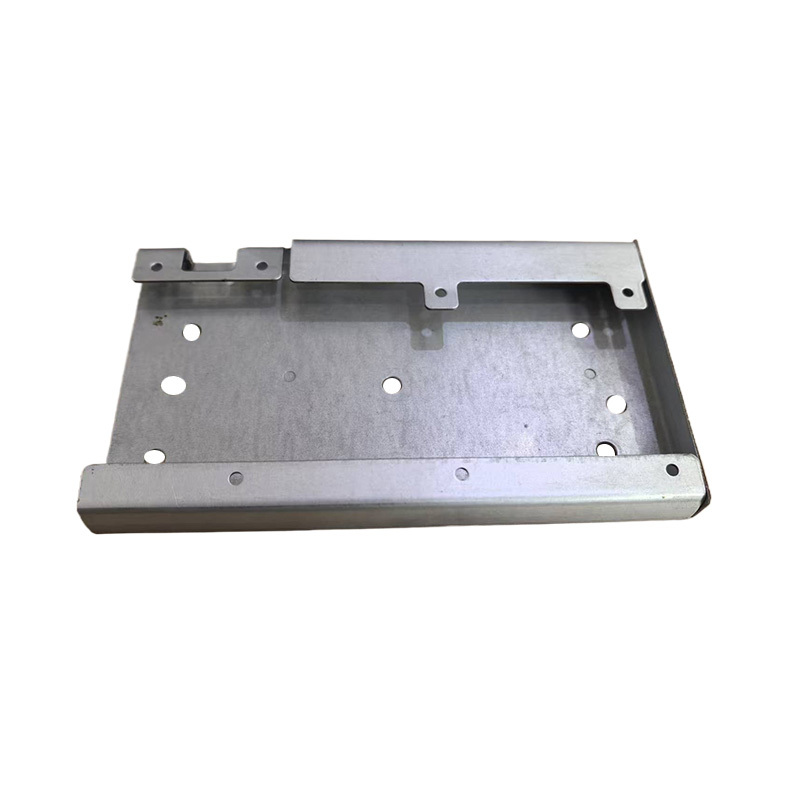
How High Precision Stamping Parts Drive Innovation in Manufacturing
Table of Contents
- 1. Introduction to High Precision Stamping Parts
- 2. The Importance of High Precision in Manufacturing
- 3. Technology Behind High Precision Stamping
- 4. Benefits of High Precision Stamping Parts
- 5. Applications of Stamping Parts in Various Industries
- 6. Challenges in High Precision Stamping
- 7. The Future of High Precision Stamping in Manufacturing
- 8. Frequently Asked Questions
- 9. Conclusion
1. Introduction to High Precision Stamping Parts
High precision stamping parts have emerged as crucial components in modern manufacturing processes. These parts are produced using advanced stamping techniques that ensure exceptional accuracy and repeatability. In an era where efficiency and quality are paramount, high precision stamping parts not only meet the rigorous demands of various industries but also play a pivotal role in driving innovation.
The process of stamping involves shaping materials, typically metals, through the application of pressure. This method is renowned for its ability to produce complex shapes efficiently while maintaining tight tolerances. As manufacturing continues to evolve, the integration of high precision stamping is becoming increasingly vital for companies striving to stay competitive.
2. The Importance of High Precision in Manufacturing
Precision is a cornerstone of manufacturing excellence. High precision stamping parts ensure that every component manufactured meets stringent specifications, which is essential in industries such as aerospace, automotive, electronics, and medical devices. The importance of high precision can be summarized in several key points:
2.1 Quality Control
High precision stamping parts facilitate rigorous quality control measures. With precision engineering, manufacturers can consistently produce parts that adhere to exact specifications, minimizing defects and reducing waste. This leads to improved product reliability and customer satisfaction.
2.2 Cost Efficiency
Investing in high precision stamping can lead to significant cost savings over time. By ensuring that parts are manufactured correctly the first time, companies can reduce rework and scrap costs, which often account for a substantial part of manufacturing expenses.
2.3 Faster Production Cycles
High precision stamping allows for faster production cycles. Advanced stamping machines can operate at high speeds, significantly increasing output without compromising quality. This rapid production capability is crucial for meeting market demands and shortening lead times.
2.4 Enhanced Design Flexibility
The precision of stamping processes enables manufacturers to explore more complex and innovative designs. Engineers can push the boundaries of product design, creating parts that were previously thought impossible to manufacture. This innovation drives the development of new products and solutions.
3. Technology Behind High Precision Stamping
The technology driving high precision stamping has evolved significantly over the past few decades. Modern stamping processes leverage advanced machinery and techniques that contribute to their precision and efficiency.
3.1 Computer Numerical Control (CNC) Machining
CNC technology plays a critical role in high precision stamping. CNC machines can be programmed to execute intricate designs with millimeter-level accuracy. This capability ensures that each stamped part meets the required specifications while minimizing human error in the production process.
3.2 Advanced Materials
The choice of materials is integral to the success of high precision stamping. Manufacturers increasingly use advanced materials, such as high-strength alloys and composites, that offer improved performance characteristics and allow for lighter, more durable components.
3.3 Automation and Robotics
Automation has transformed high precision stamping operations. Robots can handle the loading and unloading of materials, perform quality inspections, and even assist in maintenance tasks. This not only enhances productivity but also reduces labor costs while ensuring a consistent level of precision.
3.4 Simulation and Modeling Software
The use of advanced simulation and modeling software allows manufacturers to test and validate designs before production. This technology helps identify potential issues in the stamping process, leading to better design decisions and reduced risk of errors.
4. Benefits of High Precision Stamping Parts
The integration of high precision stamping parts offers numerous benefits to manufacturers, enhancing both production capabilities and overall product quality.
4.1 Improved Performance and Reliability
High precision components typically exhibit better performance and reliability. With tighter tolerances, manufacturers can ensure that parts fit together seamlessly, which is especially crucial in applications where safety and functionality hinge on precise alignments.
4.2 Customization Capabilities
The technology behind high precision stamping allows for a high degree of customization. Manufacturers can produce parts that are tailored to specific requirements, enabling them to serve niche markets and diverse customer needs effectively.
4.3 Environmental Sustainability
High precision stamping can contribute to more sustainable manufacturing practices. By reducing material waste and energy consumption, companies can minimize their environmental footprint, aligning with the growing demand for eco-friendly manufacturing solutions.
4.4 Enhanced Competitiveness
In an increasingly competitive market, the ability to produce high-quality, precise components quickly and cost-effectively gives manufacturers a significant edge. This advantage not only helps in capturing market share but also in establishing long-term customer relationships based on trust and reliability.
5. Applications of Stamping Parts in Various Industries
High precision stamping parts find applications across a range of industries, each benefiting from the efficiencies and quality improvements that these components offer.
5.1 Automotive Industry
In the automotive sector, high precision stamping is used to manufacture critical components such as brackets, housings, and panels. The ability to produce these parts with exact specifications ensures safety and performance in vehicles.
5.2 Aerospace Industry
The aerospace industry demands the utmost precision due to safety and regulatory standards. High precision stamping parts are essential for producing components like structural frames and engine parts, where accuracy can have life-or-death consequences.
5.3 Electronics Industry
High precision stamping is integral to the electronics industry, providing components such as connectors, housings, and circuit boards. These parts require intricate designs and precise tolerances to ensure functionality and reliability.
5.4 Medical Devices
In the medical field, high precision components are vital for devices that require stringent quality control and reliability. Stamping technology is used to manufacture parts for surgical instruments, diagnostic equipment, and implantable devices.
6. Challenges in High Precision Stamping
While high precision stamping offers numerous benefits, it is not without challenges. Manufacturers must navigate various hurdles to fully leverage the potential of this technology.
6.1 Tooling Costs
The initial investment in high precision stamping equipment and tooling can be significant. Manufacturers must carefully evaluate their production volumes to determine if the investment is justified in terms of cost savings and efficiency.
6.2 Material Limitations
Not all materials are suitable for high precision stamping. Manufacturers must choose materials that can withstand the stresses of the stamping process while maintaining the desired performance characteristics.
6.3 Skilled Workforce
The demand for skilled workers capable of operating advanced stamping machinery is on the rise. Manufacturers must invest in training and development to ensure their workforce possesses the necessary skills to maintain precision and quality.
6.4 Maintenance and Downtime
Maintaining high precision stamping equipment is crucial for ensuring consistent production quality. Downtime due to equipment failures can significantly impact production schedules and overall efficiency.
7. The Future of High Precision Stamping in Manufacturing
As manufacturing continues to evolve, the future of high precision stamping looks promising. Several trends are shaping the landscape of this technology.
7.1 Industry 4.0 Integration
The integration of Industry 4.0 technologies, including IoT and data analytics, is revolutionizing high precision stamping. Smart machines can collect and analyze data in real-time, allowing manufacturers to optimize processes and predict maintenance needs, thereby enhancing efficiency.
7.2 Sustainable Manufacturing Practices
The push for sustainability is likely to drive innovations in high precision stamping. Manufacturers will increasingly focus on developing eco-friendly materials and processes that minimize waste and energy consumption.
7.3 Advances in Automation
As automation technology continues to advance, the role of robotics in high precision stamping will expand. Automated systems will enhance production capabilities, improve accuracy, and reduce the risk of human error.
7.4 Customization and Mass Personalization
The demand for customized products is on the rise, and high precision stamping will play a key role in meeting this need. Manufacturers will increasingly adopt flexible stamping techniques that allow for mass personalization without sacrificing efficiency.
8. Frequently Asked Questions
8.1 What materials are commonly used in high precision stamping?
Common materials include stainless steel, aluminum, copper, and various alloys. The choice of material depends on the specific application and required performance characteristics.
8.2 How does high precision stamping compare to traditional manufacturing methods?
High precision stamping offers greater accuracy, faster production speeds, and cost efficiency compared to traditional manufacturing methods, making it a preferred choice for many industries.
8.3 What are the key factors to consider when choosing a stamping partner?
Key factors include the partner's experience, technological capabilities, quality assurance processes, and ability to meet specific customization needs.
8.4 How can manufacturers ensure the quality of stamped parts?
Implementing rigorous quality control processes, utilizing advanced inspection technologies, and investing in employee training can help ensure the quality of stamped parts.
8.5 What is the typical lead time for high precision stamping projects?
Lead times can vary based on project complexity and production volume, but manufacturers often strive for quick turnaround times, typically ranging from a few days to several weeks.
9. Conclusion
High precision stamping parts are redefining the landscape of manufacturing, enabling companies to produce components with unparalleled accuracy and efficiency. As industries continue to embrace innovation, the role of high precision stamping will only grow more significant. With its ability to drive quality improvements, reduce costs, and enhance competitiveness, high precision stamping will be at the forefront of the next wave of manufacturing advancements. By investing in the latest technologies and practices, manufacturers can harness the full potential of high precision stamping and position themselves for success in an ever-evolving marketplace.

Address:
NanPi County, Cangzhou City, Hebei Province
OEM
From precise design drawings, to rigorous production processes, to strict quality testing, we always uphold the spirit of ingenuity, the pursuit of every detail of the perfect. Our team has a wealth of industry experience and technical strength, according to your specific needs, to provide personalized customized services, to ensure that each product can meet your expectations.