

The Environmental Impact of Manufacturing Headlight Crossbeam Reinforcement Plates: An In-Depth Analysis
The Environmental Impact of Manufacturing Headlight Crossbeam Reinforcement Plates Manufacturing processes have a significant environmental footprint, especially when it involves components like headlight crossbeam reinforcement plates. As integral parts of automotive engineering, these plates are not only crucial for vehicle safety but also contribute to ecological challenges. In this detailed ex
Aug 04,2026


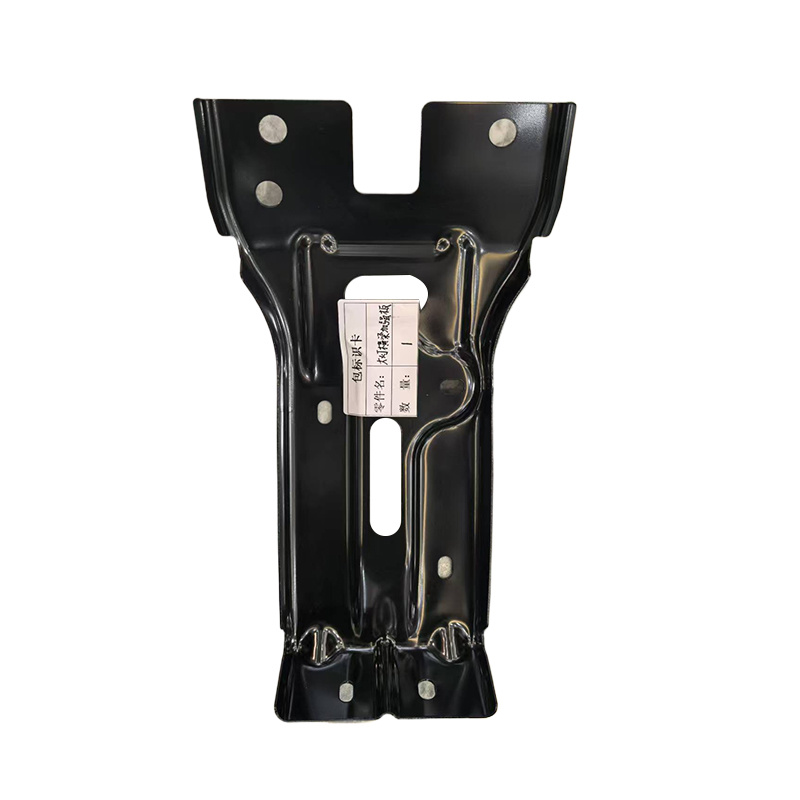
The Environmental Impact of Manufacturing Headlight Crossbeam Reinforcement Plates
Manufacturing processes have a significant environmental footprint, especially when it involves components like headlight crossbeam reinforcement plates. As integral parts of automotive engineering, these plates are not only crucial for vehicle safety but also contribute to ecological challenges. In this detailed exploration, we will uncover the various environmental impacts of manufacturing these components and discuss sustainable practices that can mitigate these effects.
Understanding Headlight Crossbeam Reinforcement Plates
Headlight crossbeam reinforcement plates are structural elements located in the front of vehicles, designed to support headlight assemblies. These plates enhance safety by providing stability and alignment for headlights, ensuring proper illumination during nighttime driving. The materials used in manufacturing these plates typically include metals such as steel and aluminum, which necessitate energy-intensive production processes.
The Manufacturing Process: An Overview
The production of headlight crossbeam reinforcement plates involves several stages:
1. **Material Selection**: Choosing between steel, aluminum, or composite materials.
2. **Forming and Stamping**: Using techniques like stamping or extrusion to shape the materials.
3. **Surface Treatment**: Applying coatings to prevent corrosion.
4. **Assembly**: Integrating the plates into the vehicle frame.
Each of these stages contributes to the overall environmental impact of the manufacturing process.
Material Selection and Its Environmental Consequences
The choice of material plays a pivotal role in determining the environmental footprint of headlight crossbeam reinforcement plates. Metals, particularly steel and aluminum, require substantial amounts of energy to extract and process, resulting in significant carbon emissions. For instance:
- **Steel Production**: The production of steel involves high-temperature processes that emit greenhouse gases.
- **Aluminum Production**: While lighter and often preferred for fuel efficiency, aluminum extraction and processing is energy-intensive, relying on electricity from non-renewable sources.
Sustainable alternatives, such as recycled materials or bio-composites, are being explored to reduce these impacts.
Environmental Impacts of Manufacturing Headlight Crossbeam Reinforcement Plates
The environmental consequences of manufacturing these plates can be categorized into several key areas:
Carbon Emissions
Manufacturing processes typically release significant amounts of CO2 and other greenhouse gases. The production of one ton of steel can emit approximately 1.8 tons of CO2. As the automotive industry strives for sustainability, reducing these emissions is crucial.
Resource Depletion
The extraction of raw materials for headlight crossbeam reinforcement plates leads to the depletion of natural resources. Mining operations can disrupt ecosystems, decrease biodiversity, and consume vast quantities of water.
Water Usage and Pollution
The manufacturing process requires significant water usage, particularly during cooling and cleaning stages. Additionally, improper handling of waste materials can lead to water contamination, impacting local aquatic ecosystems.
Waste Generation
Manufacturing processes generate various waste products, including off-cuts, defective parts, and chemical byproducts. Without proper management, these wastes can contribute to landfills and further environmental degradation.
Sustainable Manufacturing Practices
To combat these environmental challenges, manufacturers are increasingly adopting sustainable practices. Here are some innovative strategies being implemented:
Recycling and Reusing Materials
Utilizing recycled metals can drastically reduce the need for virgin materials, thereby diminishing energy consumption and carbon emissions. Manufacturers are encouraged to develop closed-loop systems where scrap materials are reintegrated into the production cycle.
Implementing Energy-Efficient Technologies
Investing in energy-efficient machinery and processes can significantly lower energy consumption. Techniques such as advanced robotics and AI can optimize production lines, reducing waste and enhancing efficiency.
Adopting Eco-Friendly Coatings
Traditional coatings often contain harmful chemicals. Transitioning to eco-friendly alternatives not only protects the environment but also improves worker safety during manufacturing processes.
The Role of Regulations and Standards
Government regulations and industry standards play a vital role in ensuring that manufacturers adhere to environmentally friendly practices. Compliance with international standards such as ISO 14001 can drive companies toward more sustainable operations.
Consumer Awareness and Demand for Sustainability
As consumers become more environmentally conscious, there is a growing demand for sustainable automotive components. Manufacturers that prioritize eco-friendly practices can enhance their marketability and brand reputation.
Case Studies: Successful Sustainable Manufacturing in the Automotive Industry
Several companies have successfully implemented sustainable manufacturing practices for headlight crossbeam reinforcement plates and other automotive components. These case studies serve as valuable examples for the industry:
Company A: Leading the Way in Recycled Materials
Company A has pioneered the use of 100% recycled aluminum in its headlight crossbeam reinforcement plates, achieving a 30% reduction in carbon emissions compared to traditional methods.
Company B: Investing in Renewable Energy
By investing in solar power for its manufacturing facilities, Company B has significantly decreased its reliance on fossil fuels, leading to a notable reduction in its carbon footprint.
Future Trends in Sustainable Manufacturing
The future of manufacturing headlight crossbeam reinforcement plates looks promising as technology advances. Innovations such as **3D printing**, **biodegradable materials**, and **smart manufacturing** techniques are on the rise. These trends will likely revolutionize production processes while minimizing environmental impact.
The Impact of Electric Vehicles
The shift toward electric vehicles (EVs) is also influencing manufacturing practices. With a focus on lightweight materials to improve battery efficiency, manufacturers are exploring new materials and designs that contribute to sustainability.
Collaboration Across the Supply Chain
To achieve sustainability goals, collaboration between manufacturers, suppliers, and consumers is essential. Sharing knowledge and resources can lead to innovative solutions that benefit the entire industry.
Frequently Asked Questions (FAQs)
1. What materials are commonly used in manufacturing headlight crossbeam reinforcement plates?
Manufacturers typically use steel and aluminum, with a growing interest in recycled materials.
2. How does the production of headlight crossbeam reinforcement plates contribute to carbon emissions?
The energy-intensive processes required for metal extraction and processing release significant greenhouse gases.
3. What are some sustainable practices adopted in manufacturing these components?
Sustainable practices include recycling materials, implementing energy-efficient technologies, and using eco-friendly coatings.
4. How can regulations impact the environmental practices of manufacturers?
Regulations can enforce compliance with environmental standards, prompting manufacturers to adopt more sustainable methods.
5. What is the future outlook for sustainable manufacturing in the automotive industry?
The future looks bright, with advancements in technology, increased consumer demand for sustainability, and a shift toward electric vehicles driving innovation.
Conclusion
The environmental impact of manufacturing headlight crossbeam reinforcement plates is multifaceted, involving carbon emissions, resource depletion, and waste generation. However, through the adoption of sustainable manufacturing practices, the industry can reduce its ecological footprint while meeting consumer demands for safety and efficiency. As innovations continue to emerge, collaboration and commitment to sustainability will be key drivers in transforming manufacturing processes for a greener future.
Previous:

Address:
NanPi County, Cangzhou City, Hebei Province
OEM
From precise design drawings, to rigorous production processes, to strict quality testing, we always uphold the spirit of ingenuity, the pursuit of every detail of the perfect. Our team has a wealth of industry experience and technical strength, according to your specific needs, to provide personalized customized services, to ensure that each product can meet your expectations.