

Precision Metal Stamping in Automotive Manufacturing: What You Need to Know for Optimal Production Efficiency
Precision Metal Stamping in Automotive Manufacturing: What You Need to Know Table of Contents 1. Introduction to Precision Metal Stamping 2. The Importance of Precision Metal Stamping in Automotive Manufacturing 3. The Precision Metal Stamping Process Explained - 3.1 Design Considerations for Metal Stamping - 3.2 Materials Used in Precision Metal Stamping - 3.3 Common Techniques in Precis
Apr 30,2026


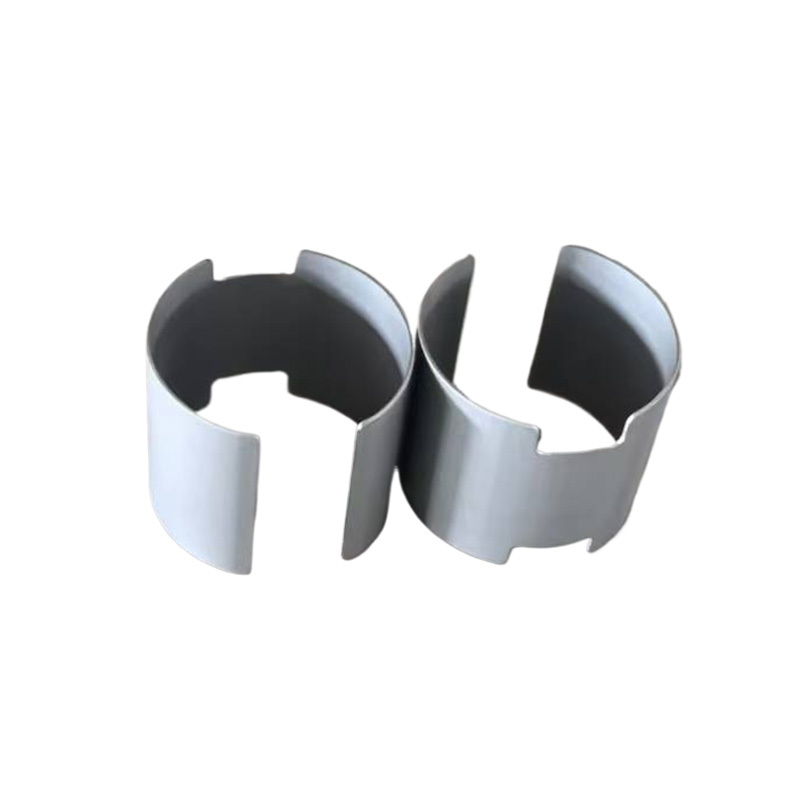
Precision Metal Stamping in Automotive Manufacturing: What You Need to Know
Table of Contents
1. Introduction to Precision Metal Stamping
2. The Importance of Precision Metal Stamping in Automotive Manufacturing
3. The Precision Metal Stamping Process Explained
- 3.1 Design Considerations for Metal Stamping
- 3.2 Materials Used in Precision Metal Stamping
- 3.3 Common Techniques in Precision Metal Stamping
4. Applications of Precision Metal Stamping in the Automotive Industry
5. Benefits of Precision Metal Stamping for Automotive Manufacturing
6. Challenges in Precision Metal Stamping
7. The Future of Precision Metal Stamping in Automotive Manufacturing
8. Conclusion
9. Frequently Asked Questions
Introduction to Precision Metal Stamping
Precision metal stamping is a manufacturing process that involves shaping metal sheets into specific forms using dies and stamping presses. This technique is especially crucial in the automotive sector, where the demand for high-quality, durable components is ever-increasing. With the ever-advancing technology and rising consumer expectations, understanding the intricacies of metal stamping is essential for manufacturers looking to thrive in a competitive market.
The Importance of Precision Metal Stamping in Automotive Manufacturing
Precision metal stamping plays a vital role in automotive manufacturing for several reasons:
- **Efficiency and Speed**: Precision metal stamping allows for rapid production of parts, reducing the time-to-market for new vehicles.
- **Cost-Effectiveness**: The ability to produce large quantities of components with minimal waste makes it a cost-effective solution.
- **High Tolerance and Quality**: Modern stamping technologies can achieve tight tolerances, ensuring that the components meet stringent automotive standards.
By leveraging these advantages, manufacturers can enhance their productivity and maintain a competitive edge.
The Precision Metal Stamping Process Explained
Understanding the precision metal stamping process is fundamental for manufacturers. This section delves into the specific stages involved in metal stamping.
Design Considerations for Metal Stamping
Designing for metal stamping requires a careful approach to ensure the parts are manufacturable and meet functional requirements. Here are some key aspects:
- **Design for Manufacturability (DFM)**: This approach focuses on designing parts that are easier and more cost-effective to produce.
- **Die Design**: The die must be engineered to accommodate the desired shape and maintain precision throughout the production cycle.
- **Prototyping**: Creating prototypes helps in identifying potential design flaws and allows for adjustments before full-scale production.
Materials Used in Precision Metal Stamping
The choice of materials is critical in precision metal stamping. Common materials include:
- **Steel Alloys**: Often used for their strength and durability. They can be further categorized into stainless steel, carbon steel, and low-alloy steel.
- **Aluminum**: Lightweight and corrosion-resistant, making it suitable for various automotive applications.
- **Copper and Brass**: Used for components that require excellent electrical conductivity.
Each material has its unique properties, and the selection depends on the specific requirements of the automotive application.
Common Techniques in Precision Metal Stamping
Several techniques are employed in precision metal stamping, including:
- **Progressive Stamping**: This method uses a series of dies to shape the metal in multiple stages, allowing for complex parts to be produced in a single pass.
- **Transfer Stamping**: Here, parts are transferred between different stages in the stamping process, which can be beneficial for larger components.
- **Deep Drawing**: This technique is used to create deep, hollow shapes by drawing the material into a die.
Each technique has its advantages and is chosen based on the specific application and production volume.
Applications of Precision Metal Stamping in the Automotive Industry
Precision metal stamping is utilized in various automotive applications, including:
- **Chassis Components**: Stamped parts contribute significantly to the vehicle's structural integrity.
- **Engine Components**: Precision-stamped parts are essential for engine assemblies, ensuring reliability and performance.
- **Electrical Components**: Stamped connectors and terminals are critical for the electrical systems within vehicles.
- **Body Panels**: Precision stamping is used in producing body panels that require tight tolerances and excellent surface finishes.
Understanding these applications helps manufacturers recognize the potential of precision metal stamping in enhancing their product offerings.
Benefits of Precision Metal Stamping for Automotive Manufacturing
The advantages of precision metal stamping extend beyond just cost savings. Here are some key benefits:
- **Reduced Material Waste**: The stamping process maximizes the use of raw materials, leading to less waste and lower costs.
- **Scalability**: Manufacturers can easily scale production to meet market demands without significant changes to the production process.
- **Consistency**: High-volume production ensures that parts are uniform in quality and performance, essential for automotive safety standards.
- **Versatility**: The technology can be adapted to create a wide range of shapes and sizes, accommodating various automotive requirements.
These benefits underscore the importance of integrating precision metal stamping into automotive manufacturing strategies.
Challenges in Precision Metal Stamping
Despite its advantages, precision metal stamping also presents challenges that manufacturers must address:
- **Tooling Costs**: The initial investment in dies and tooling can be significant, impacting small manufacturers.
- **Material Limitations**: Not all materials respond well to stamping processes, which can limit design choices.
- **Technical Expertise**: Skilled labor is needed to oversee the stamping process, from design to production, which can be a barrier for some companies.
Awareness of these challenges enables manufacturers to strategize effectively and seek solutions that enhance their metal stamping capabilities.
The Future of Precision Metal Stamping in Automotive Manufacturing
The future of precision metal stamping in automotive manufacturing appears promising, driven by technological advancements. Key trends include:
- **Automation**: The introduction of automated stamping lines will enhance efficiency and reduce labor costs.
- **Hybrid Manufacturing Technologies**: Combining stamping with additive manufacturing techniques could lead to innovative designs and improved functionality.
- **Sustainability**: As the automotive industry focuses on sustainability, precision metal stamping can adapt to use eco-friendly materials and processes.
Manufacturers who stay ahead of these trends will be better positioned to meet the evolving demands of the automotive market.
Conclusion
In conclusion, precision metal stamping is a cornerstone of automotive manufacturing, offering numerous benefits that enhance productivity and quality. By understanding the intricacies of the stamping process, including design considerations, material choices, and applications, manufacturers can optimize their operations and deliver superior products. As technology continues to evolve, embracing innovation in precision metal stamping will be crucial for success in the competitive automotive landscape.
Frequently Asked Questions
1. What is precision metal stamping?
Precision metal stamping is a manufacturing process that shapes metal sheets into specific forms using dies and stamping presses, crucial in producing automotive parts.
2. What materials are commonly used in precision metal stamping?
Common materials include steel alloys, aluminum, copper, and brass, each selected based on the specific requirements of the automotive application.
3. What are the benefits of using precision metal stamping in automotive manufacturing?
Benefits include reduced material waste, scalability, consistency in production quality, and versatility in creating various shapes and sizes.
4. What challenges do manufacturers face with precision metal stamping?
Challenges include high tooling costs, material limitations, and the need for skilled labor to manage the stamping process effectively.
5. How is the future of precision metal stamping evolving?
The future is shaped by automation, hybrid manufacturing technologies, and a focus on sustainability, which will enhance production efficiency and reduce environmental impact.
By leveraging the intricacies of precision metal stamping, automotive manufacturers can improve their production efficiency and meet the high standards of today’s market.

Address:
NanPi County, Cangzhou City, Hebei Province
OEM
From precise design drawings, to rigorous production processes, to strict quality testing, we always uphold the spirit of ingenuity, the pursuit of every detail of the perfect. Our team has a wealth of industry experience and technical strength, according to your specific needs, to provide personalized customized services, to ensure that each product can meet your expectations.