

Gas Turbine Flow Meters: Ensuring Compliance with Industry Standards
Gas Turbine Flow Meters: Ensuring Compliance with Industry Standards Table of Contents 1. Introduction to Gas Turbine Flow Meters 2. What Are Gas Turbine Flow Meters? 3. How Gas Turbine Flow Meters Work 4. Advantages of Gas Turbine Flow Meters 5. Applications of Gas Turbine Flow Meters 6. Industry Standards for Gas Turbine Flow Meters 7. Best Practices for Ensuring Com
Apr 24,2026


Gas Turbine Flow Meters: Ensuring Compliance with Industry Standards
Table of Contents
- 1. Introduction to Gas Turbine Flow Meters
- 2. What Are Gas Turbine Flow Meters?
- 3. How Gas Turbine Flow Meters Work
- 4. Advantages of Gas Turbine Flow Meters
- 5. Applications of Gas Turbine Flow Meters
- 6. Industry Standards for Gas Turbine Flow Meters
- 7. Best Practices for Ensuring Compliance
- 8. Troubleshooting and Maintenance of Gas Turbine Flow Meters
- 9. Frequently Asked Questions
- 10. Conclusion
1. Introduction to Gas Turbine Flow Meters
Gas turbine flow meters play a pivotal role in various industries, particularly in measuring the flow rates of gases, including natural gas, compressed air, and other industrial gases. These meters are essential for ensuring compliance with stringent industry standards, particularly in sectors like oil and gas, chemical processing, and manufacturing. Understanding the functionality, benefits, and compliance requirements is critical for professionals seeking to implement these meters effectively.
2. What Are Gas Turbine Flow Meters?
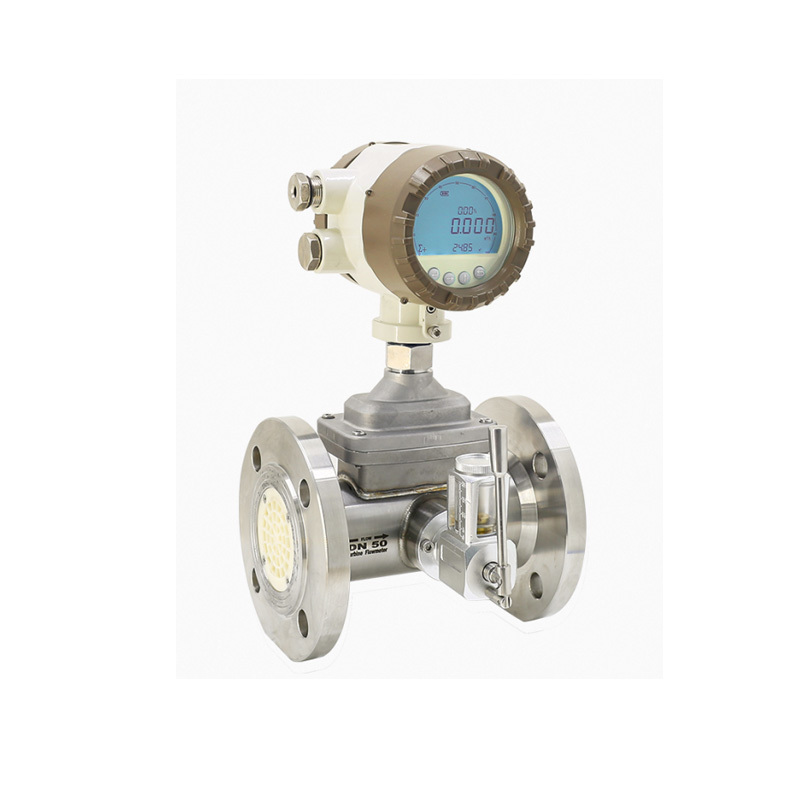
Gas turbine flow meters are highly accurate instruments designed to measure the flow rate of gases. They operate based on the principle of utilizing a turbine wheel that spins as gas flows through it. This movement generates a rotational speed proportional to the flow velocity, allowing for precise measurements. These meters are recognized for their reliability and accuracy, making them ideal for applications requiring strict adherence to industry standards.
2.1 Key Components of Gas Turbine Flow Meters
The primary components of gas turbine flow meters include:
- Turbine Wheel: The heart of the meter, responsible for measuring the flow velocity.
- Flow Sensor: Detects the rotational speed of the turbine wheel.
- Electronic Display: Presents real-time flow rate data and other important measurements.
- Housing: Provides protection and structural integrity to the internal components.
3. How Gas Turbine Flow Meters Work
The operation of a gas turbine flow meter involves several key steps:
1. **Gas Inlet:** The gas enters the meter through an inlet, passing through a straight section of pipe to ensure laminar flow.
2. **Turbine Activation:** As gas flows through the turbine wheel, it causes the wheel to rotate. The speed of this rotation is directly proportional to the flow rate.
3. **Signal Generation:** The flow sensor detects the speed of the turbine and generates an electrical signal corresponding to the flow rate.
4. **Data Processing:** The electronic display processes this information, allowing operators to view real-time flow measurements.
3.1 Flow Measurement Accuracy
Gas turbine flow meters are known for their high accuracy, often achieving measurement tolerances within ±0.5%. This precision is crucial for applications where even minor discrepancies can lead to significant implications, such as in billing or regulatory compliance.
4. Advantages of Gas Turbine Flow Meters
Gas turbine flow meters offer numerous advantages that make them a preferred choice in various applications:
- High Accuracy: Their ability to provide precise measurements is unmatched, which is essential for compliance.
- Wide Range of Applications: Suitable for various gases across multiple industries.
- Robust Design: Built to withstand harsh operating conditions, ensuring longevity and reliability.
- Low Maintenance: Once installed, they require minimal upkeep, reducing operational costs.
5. Applications of Gas Turbine Flow Meters
Gas turbine flow meters find applications in numerous sectors, including:
5.1 Oil and Gas Industry
In the oil and gas sector, these meters are crucial for measuring the flow of natural gas and other hydrocarbons, ensuring accurate billing and regulatory compliance.
5.2 Chemical Processing
Chemical plants utilize gas turbine flow meters to monitor the flow of various gases involved in production processes, ensuring quality control and safety.
5.3 Power Generation
In power plants, these meters measure the flow of combustion air and other gases, which is vital for efficiency and regulatory compliance.
6. Industry Standards for Gas Turbine Flow Meters
Compliance with industry standards is paramount for the adoption of gas turbine flow meters. Recognized standards include:
- ISO 5167: Guidelines for measuring flow of fluids using orifice plates, nozzles, and Venturi tubes.
- API MPMS: American Petroleum Institute Manual of Petroleum Measurement Standards.
- OIML R 137: International Organization of Legal Metrology recommendations for flow meters.
6.1 Importance of Compliance
Ensuring compliance with these standards not only enhances the reliability of measurements but also mitigates risks associated with inaccurate data, such as financial loss and legal repercussions.
7. Best Practices for Ensuring Compliance
To ensure compliance with industry standards when using gas turbine flow meters, consider the following best practices:
7.1 Regular Calibration
Regular calibration is necessary to maintain accuracy. Following manufacturers' guidelines, calibration should be performed at scheduled intervals or when significant changes in process conditions occur.
7.2 Proper Installation
Implementing proper installation techniques, including ensuring the meter is correctly aligned and adequately supported, is critical for optimal performance.
7.3 Routine Maintenance
Routine maintenance checks can help identify potential issues early, ensuring the meter operates at peak efficiency and accuracy.
8. Troubleshooting and Maintenance of Gas Turbine Flow Meters
8.1 Common Issues and Solutions
Some common issues associated with gas turbine flow meters include:
- Inaccurate Readings: Often caused by improper installation or lack of calibration. Address by recalibrating and ensuring correct installation.
- Mechanical Failures: May arise from wear and tear. Regular inspections can help identify and rectify these issues promptly.
- Data Communication Failures: Ensure all wiring and connections are secure to prevent data loss.
8.2 Maintenance Schedule
Establishing a maintenance schedule that includes regular checks, cleaning, and calibration can dramatically extend the lifespan of gas turbine flow meters and enhance their performance.
9. Frequently Asked Questions
9.1 What is the typical lifespan of a gas turbine flow meter?
The lifespan of a gas turbine flow meter can vary depending on its application and maintenance but generally ranges from 10 to 15 years with proper care.
9.2 How do I know if my gas turbine flow meter needs calibration?
Indicators of necessary calibration include inconsistencies in readings, performance issues, or significant changes in process conditions.
9.3 Can gas turbine flow meters measure all types of gases?
While gas turbine flow meters can measure many gases, their suitability depends on factors such as the gas's viscosity and density. Always consult the manufacturer's specifications.
9.4 What are the environmental conditions that can affect meter performance?
Extreme temperatures, humidity, and vibrations can impact the performance of gas turbine flow meters. Ensure the meter is rated for the specific conditions of your application.
9.5 How can I ensure my gas turbine flow meter complies with industry standards?
Regular calibration, following installation guidelines, and maintaining a consistent maintenance schedule are crucial for compliance.
10. Conclusion
Gas turbine flow meters are indispensable tools in various industries, ensuring accurate flow measurement while adhering to stringent compliance standards. Understanding how they work, their advantages, and the best practices for their maintenance can significantly enhance performance and reliability. By implementing regular calibration, proper installation, and routine maintenance, professionals can ensure their gas turbine flow meters remain compliant and effective, ultimately contributing to operational success and regulatory adherence.

Address:
NanPi County, Cangzhou City, Hebei Province
OEM
From precise design drawings, to rigorous production processes, to strict quality testing, we always uphold the spirit of ingenuity, the pursuit of every detail of the perfect. Our team has a wealth of industry experience and technical strength, according to your specific needs, to provide personalized customized services, to ensure that each product can meet your expectations.