

A Deep Dive into the Cost-effectiveness of High Precision Stamping Parts
A Deep Dive into the Cost-effectiveness of High Precision Stamping Parts Table of Contents 1. Introduction to High Precision Stamping Parts 2. Understanding Stamping Technology 3. Key Benefits of High Precision Stamping Parts 4. Applications of High Precision Stamping Parts 5. Factors Affecting the Cost-effectiveness of High Precision Stamping Parts 6. Case Studies and Real-World Exam
Apr 21,2026


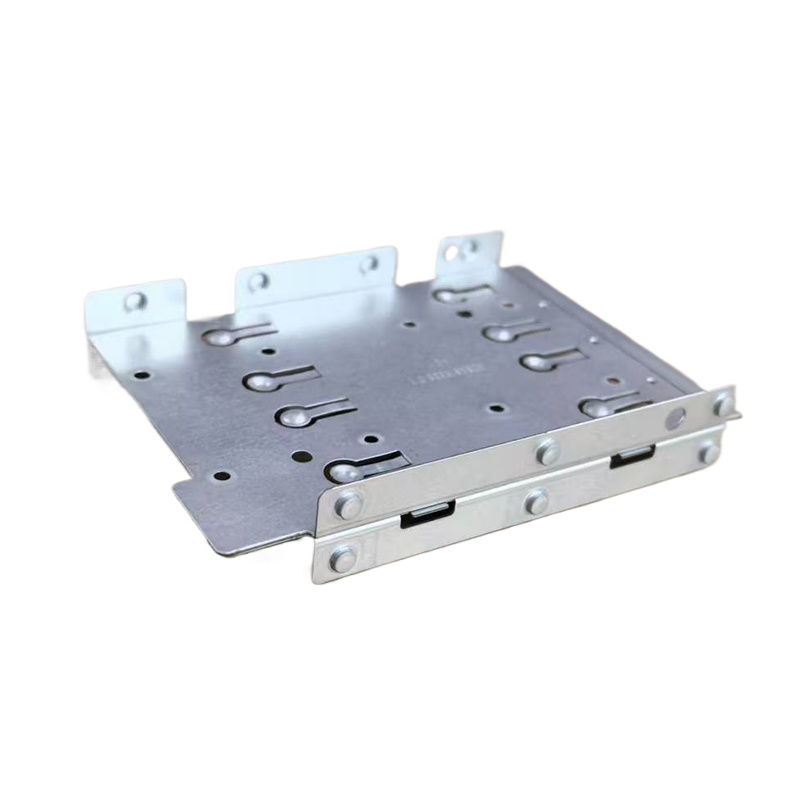
A Deep Dive into the Cost-effectiveness of High Precision Stamping Parts
Table of Contents
- 1. Introduction to High Precision Stamping Parts
- 2. Understanding Stamping Technology
- 3. Key Benefits of High Precision Stamping Parts
- 4. Applications of High Precision Stamping Parts
- 5. Factors Affecting the Cost-effectiveness of High Precision Stamping Parts
- 6. Case Studies and Real-World Examples
- 7. The Future of High Precision Stamping Technology
- 8. Conclusion
- 9. Frequently Asked Questions (FAQs)
1. Introduction to High Precision Stamping Parts
High precision stamping parts have revolutionized the manufacturing landscape by enabling the creation of intricate components with minimal waste and high repeatability. These parts are vital in various industries, including automotive, electronics, and aerospace, where the demand for precision and reliability is paramount. Understanding the cost-effectiveness of these parts is essential for manufacturers and stakeholders aiming to optimize production processes and enhance profitability.
2. Understanding Stamping Technology
**Stamping technology** involves a series of processes that transform flat sheets of metal into finished parts. The process typically employs a stamping press, which uses dies and punches to shape the material.
How Stamping Works
The stamping process generally encompasses several stages:
- **Material Selection**: Choosing the right material, such as steel, aluminum, or copper.
- **Die Design**: Creating specialized dies to achieve precise shapes and forms.
- **Press Operation**: Utilizing mechanical or hydraulic presses to execute the stamping process.
- **Finishing**: Implementing secondary processes, such as deburring and surface treatment, to enhance the final product.
This advanced technology not only improves efficiency but also ensures that the parts produced meet stringent quality standards.
3. Key Benefits of High Precision Stamping Parts
High precision stamping parts come with a myriad of benefits that contribute to their cost-effectiveness:
Reduced Material Waste
One of the most significant advantages of high precision stamping is the reduction in material waste. The precise cutting and forming techniques optimize the use of raw materials, leading to lower costs.
Enhanced Production Speed
High production speeds associated with stamping processes enable manufacturers to meet tight deadlines and increase output without sacrificing quality.
Consistency and Quality Control
The repeatability of high precision stamping ensures that each part produced maintains the same high standards. This consistency is crucial for maintaining quality in mass production.
Lower Labor Costs
Automated stamping processes require minimal manual intervention, which significantly reduces labor costs while enhancing productivity.
4. Applications of High Precision Stamping Parts
High precision stamping parts find applications across various industries:
Automotive Industry
In the automotive sector, stamping parts are used for body panels, brackets, and other critical components. Their strength and precision are essential for vehicle safety and performance.
Electronics and Electrical Devices
High precision stamping is vital for producing parts in electronics, such as connectors, housings, and circuit boards, where precision is essential for functionality.
Aerospace Components
The aerospace industry relies on high precision stamped parts for structural components that must withstand extreme conditions while maintaining structural integrity.
5. Factors Affecting the Cost-effectiveness of High Precision Stamping Parts
Several factors influence the cost-effectiveness of high precision stamping parts:
Material Costs
The type of material selected for stamping significantly affects overall costs. Metals like aluminum are lightweight and cost-effective, while steel offers strength at a competitive price.
Die Design Complexity
The complexity of the die design can impact manufacturing costs. Custom dies may require higher initial investments but can lead to long-term savings through efficient production.
Production Volume
Higher production volumes typically lead to lower per-unit costs due to economies of scale. Manufacturers must evaluate their production needs to determine optimal batch sizes.
Technology and Equipment
Investing in advanced stamping technology can reduce long-term costs by improving efficiency and reducing waste.
6. Case Studies and Real-World Examples
Examining real-world examples can provide insights into the practical applications and benefits of high precision stamping parts.
Case Study 1: Automotive Manufacturer
A leading automotive manufacturer implemented high precision stamping technology in their production line, resulting in a 30% reduction in material waste and a 20% increase in production speed.
Case Study 2: Electronics Company
An electronics company transitioned to high precision stamping for their components, achieving significant cost savings and improved product quality, enabling them to capture a larger market share.
7. The Future of High Precision Stamping Technology
The future of high precision stamping looks promising, driven by advancements in technology and materials. Innovations such as **3D printing** and **smart manufacturing** are expected to further enhance the efficiency and capabilities of stamping processes.
Adoption of Automation
As automation becomes more prevalent, the potential for increased efficiency and reduced costs in stamping processes will grow.
Material Innovations
Ongoing research into new materials will likely yield alternatives that offer better performance at lower costs, enhancing the overall cost-effectiveness of high precision stamping parts.
8. Conclusion
High precision stamping parts represent a cornerstone of modern manufacturing, offering unparalleled cost-effectiveness and efficiency. By understanding the intricacies of stamping technology, its benefits, and the factors influencing costs, manufacturers can make informed decisions that enhance productivity and profitability. As technology continues to evolve, the role of high precision stamping will only become more critical in meeting the demands of various industries.
9. Frequently Asked Questions (FAQs)
1. What are high precision stamping parts?
High precision stamping parts are components created through a stamping process that ensures exact dimensions and shapes, typically used in industries such as automotive and electronics.
2. What materials are commonly used in high precision stamping?
Common materials include steel, aluminum, brass, and copper, each selected based on the specific application and required properties.
3. How does stamping compare to other manufacturing processes?
Stamping is often more efficient than other processes like machining, particularly for high-volume production, due to its speed and precision.
4. Can high precision stamping parts be customized?
Yes, high precision stamping parts can be customized through die design and material selection to meet specific manufacturing needs.
5. What factors should manufacturers consider to improve cost-effectiveness?
Manufacturers should consider material costs, die complexity, production volume, and technological investments to enhance the cost-effectiveness of their stamping processes.

Address:
NanPi County, Cangzhou City, Hebei Province
OEM
From precise design drawings, to rigorous production processes, to strict quality testing, we always uphold the spirit of ingenuity, the pursuit of every detail of the perfect. Our team has a wealth of industry experience and technical strength, according to your specific needs, to provide personalized customized services, to ensure that each product can meet your expectations.