

What to Look for When Sourcing Precision Forging Stamping Parts: A Comprehensive Guide
What to Look for When Sourcing Precision Forging Stamping Parts Introduction: Understanding the Importance of Precision Forging Stamping Parts In the realm of manufacturing, **precision forging stamping parts** play a pivotal role in ensuring product quality and performance. These components are intricately designed and crafted to meet strict specifications, making them crucial in various indu
Jun 05,2026


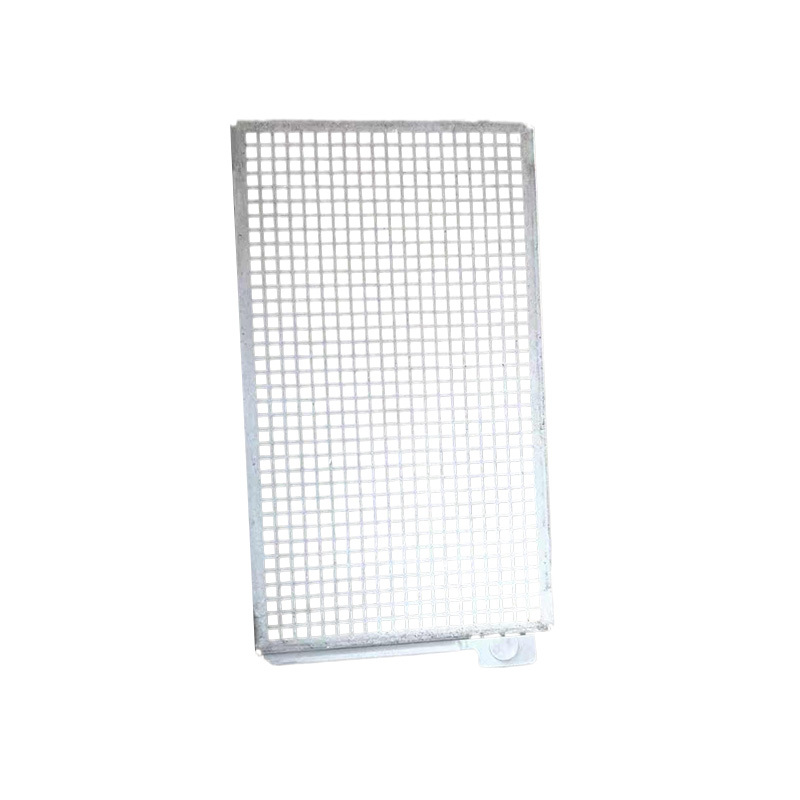
What to Look for When Sourcing Precision Forging Stamping Parts
Introduction: Understanding the Importance of Precision Forging Stamping Parts
In the realm of manufacturing, **precision forging stamping parts** play a pivotal role in ensuring product quality and performance. These components are intricately designed and crafted to meet strict specifications, making them crucial in various industries, including automotive, aerospace, and electronics. When sourcing these parts, it is imperative to adopt a meticulous approach to ensure that the components you acquire meet your exact needs.
Table of Contents
- 1. Understanding Precision Forging and Stamping
- 2. Factors to Consider When Sourcing Parts
- 2.1 Material Quality
- 2.2 Vendor Reputation
- 2.3 Manufacturing Processes
- 2.4 Design Specifications and Tolerances
- 3. The Importance of Quality Control
- 4. Cost Considerations in Sourcing
- 5. Assessing Lead Times and Delivery Reliability
- 6. The Role of Certifications and Compliance
- 7. Building Long-Term Supplier Relationships
- 8. FAQs About Sourcing Precision Forging Stamping Parts
- 9. Conclusion
1. Understanding Precision Forging and Stamping
Precision forging and stamping involve shaping metal parts through controlled deformation processes. **Precision forging** refers to the process of shaping metal at high temperatures, allowing for complex part geometries with minimal waste. Conversely, **stamping** typically involves pressing metal sheets into specific shapes at room temperature, often utilizing dies. Together, these methods yield components that exhibit superior strength, durability, and precision.
2. Factors to Consider When Sourcing Parts
Sourcing precision forging stamping parts is not merely about finding the lowest price. Several key factors must guide your decisions to ensure you receive high-quality components that align with your operational requirements.
2.1 Material Quality
The quality of materials used in the production of forging and stamping parts is paramount. High-quality metals, such as **carbon steel, stainless steel, and aluminum**, offer different benefits, including strength, corrosion resistance, and weight considerations. It is crucial to discuss material specifications with potential suppliers to ensure their offerings meet industry standards and your project requirements.
2.2 Vendor Reputation
The reputation of the vendor can significantly impact the quality of the parts you receive. Established vendors often have a proven track record of delivering reliable products. Researching customer reviews, requesting references, and evaluating case studies can provide valuable insights into a vendor's reliability and product quality.
2.3 Manufacturing Processes
Understanding the manufacturing processes used by your potential suppliers is vital. Different manufacturers may employ various techniques that affect the quality and precision of the final product. Familiarize yourself with the specific processes, such as **hot forging, cold forging, and progressive stamping**, to determine which aligns best with your needs.
2.4 Design Specifications and Tolerances
Precision is non-negotiable in the manufacturing of forging stamping parts. Clear communication of your design specifications and tolerances is essential to ensure that the parts fit seamlessly into your assembly. Providing detailed blueprints, CAD files, and specifications can help avoid costly errors and rework.
3. The Importance of Quality Control
Quality control is a critical aspect of sourcing precision parts. A robust quality control program should be in place to monitor the manufacturing process and ensure that each part adheres to specified standards. This may include **in-process inspections, final inspections, and testing for mechanical properties**. Engaging with suppliers that prioritize quality can save you time and financial resources in the long run.
4. Cost Considerations in Sourcing
While cost is an important factor, it should not be the sole determinant in sourcing decisions. Understanding the total cost of ownership, including the initial price, shipping, and potential rework, is essential. Look for suppliers who offer transparent pricing and can provide a breakdown of costs involved in the process.
5. Assessing Lead Times and Delivery Reliability
Timely delivery is crucial in manufacturing operations. Assessing a supplier's lead times and their history of meeting deadlines can significantly impact your production schedule. Request detailed timelines for production and shipping, and consider establishing penalties for late deliveries to protect your interests.
6. The Role of Certifications and Compliance
Certifications and compliance with industry standards are indicators of a supplier's commitment to quality. Look for vendors who hold relevant certifications such as ISO 9001, which signifies a robust quality management system. Compliance with industry regulations is also critical, especially in sectors like automotive and aerospace, where safety and reliability are paramount.
7. Building Long-Term Supplier Relationships
Establishing long-term relationships with suppliers can lead to better pricing, improved communication, and enhanced collaboration on future projects. Open dialogue and mutual trust can facilitate problem-solving and innovation, ultimately benefiting both parties.
8. FAQs About Sourcing Precision Forging Stamping Parts
8.1 What materials are commonly used for precision forging stamping parts?
Common materials include carbon steel, stainless steel, aluminum, and alloys. Each material has unique properties suited for different applications.
8.2 How can I ensure the quality of the parts I receive?
Implementing a quality control process, requesting third-party inspections, and verifying supplier certifications can help ensure the quality of your parts.
8.3 What are the common applications for precision forging stamping parts?
These parts are widely used in automotive, aerospace, electronics, and machinery industries due to their strength and precision.
8.4 How do I communicate my design specifications to suppliers?
Use detailed drawings, CAD models, and specification sheets to convey your design requirements clearly.
8.5 What is the significance of lead times in sourcing parts?
Lead times are critical as they impact your production schedule. Delays in delivery can lead to bottlenecks and increased costs.
9. Conclusion
Sourcing precision forging stamping parts requires a detailed approach that considers material quality, vendor reputation, manufacturing processes, and quality control measures. By focusing on these critical factors, manufacturers can ensure they procure components that not only meet their specifications but also support operational efficiency and product reliability. Investing time and effort in the sourcing process ultimately leads to better partnerships, reduced costs, and higher quality products, paving the way for long-term success in the competitive manufacturing landscape.

Address:
NanPi County, Cangzhou City, Hebei Province
OEM
From precise design drawings, to rigorous production processes, to strict quality testing, we always uphold the spirit of ingenuity, the pursuit of every detail of the perfect. Our team has a wealth of industry experience and technical strength, according to your specific needs, to provide personalized customized services, to ensure that each product can meet your expectations.