

The Challenges and Solutions of RoHS Compliance in Metal Parts: Navigating Regulations for a Sustainable Future
The Challenges and Solutions of RoHS Compliance in Metal Parts Introduction to RoHS Compliance The **Restriction of Hazardous Substances (RoHS)** directive stands as a pivotal regulation within the European Union, aimed at reducing the environmental and health risks associated with hazardous substances in electrical and electronic equipment. For manufacturers of **metal parts**, understanding and
Jun 17,2026


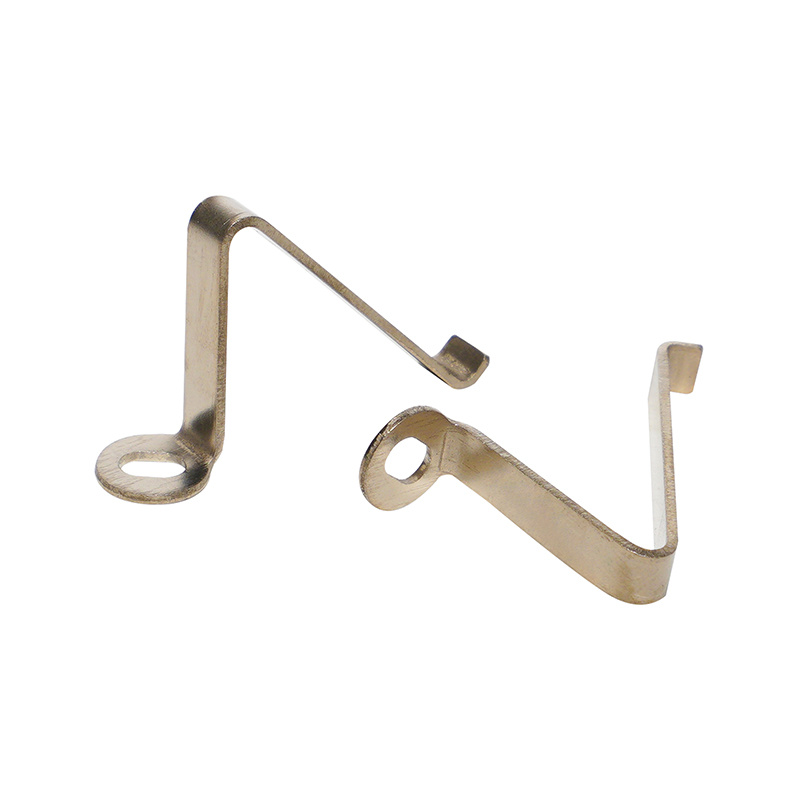
The Challenges and Solutions of RoHS Compliance in Metal Parts
Introduction to RoHS Compliance
The **Restriction of Hazardous Substances (RoHS)** directive stands as a pivotal regulation within the European Union, aimed at reducing the environmental and health risks associated with hazardous substances in electrical and electronic equipment. For manufacturers of **metal parts**, understanding and complying with RoHS is not merely a legal obligation but a significant step towards fostering a sustainable future.
As we delve deeper into the complexities of RoHS compliance, we will explore the principal challenges encountered by manufacturers and provide actionable solutions to overcome them.
Understanding RoHS: Key Elements and Implications
What is RoHS?
RoHS is a directive that restricts the use of specific hazardous materials found in electrical and electronic products. The primary substances regulated under RoHS include:
- Lead
- Mercury
- Cadmium
- Hexavalent chromium
- Polybrominated biphenyls (PBB)
- Polybrominated diphenyl ethers (PBDE)
Manufacturers of metal parts must ensure that their products conform to these restrictions, which can present numerous challenges throughout the production process.
The Importance of RoHS Compliance for Metal Manufacturers
Compliance with RoHS is critical for several reasons:
- **Market Access**: Non-compliance can lead to barriers in entering the EU market, restricting sales opportunities.
- **Reputation Management**: Adhering to environmental regulations boosts a company’s reputation and appeals to environmentally-conscious consumers.
- **Risk Mitigation**: Ensuring compliance minimizes legal risks and potential penalties associated with non-compliance.
Challenges in RoHS Compliance for Metal Parts
1. Material Sourcing and Supplier Compliance
One of the foremost challenges in achieving RoHS compliance is sourcing raw materials that adhere to the directive's standards. Many metal parts rely on a complex supply chain, making it essential to verify that all suppliers are compliant.
Solution: Establishing a Robust Supplier Management System
Implementing a comprehensive supplier management system allows manufacturers to:
- Conduct regular audits and assessments of supplier compliance status.
- Establish clear communication regarding RoHS requirements and expectations.
- Foster partnerships with suppliers who prioritize compliance.
2. Product Design and Development Limitations
Incorporating RoHS compliance into product design can be challenging, especially when existing designs utilize restricted substances. Designers may face limitations in material selection that affect product performance or cost.
Solution: Embrace Innovative Design Practices
Adopting innovative design practices can facilitate RoHS compliance. Strategies include:
- Utilizing alternative materials that are inherently compliant.
- Pursuing design-for-environment (DFE) principles to minimize the use of hazardous substances.
- Collaborating with research institutions to explore new material technologies.
3. Testing and Certification Costs
The financial burden associated with testing and certifying products for RoHS compliance can be considerable. Companies may struggle with the costs of laboratory testing, documentation, and certification processes.
Solution: Optimize Testing Strategies
To alleviate testing costs, manufacturers should consider:
- Investing in in-house testing capabilities to reduce reliance on third-party services.
- Leveraging existing data from suppliers and previous tests to streamline the certification process.
- Researching grants or subsidies offered by government or environmental organizations to support compliance efforts.
4. Keeping Up with Regulatory Changes
The RoHS directive is subject to periodic updates, which can introduce new restrictions or modify existing ones. Staying informed about these changes poses a significant challenge for manufacturers.
Solution: Implementing Continuous Education Programs
Establishing continuous education programs ensures that all employees, especially those involved in compliance and regulatory affairs, are informed about the latest changes. This can include:
- Regular training sessions on RoHS requirements.
- Subscriptions to industry newsletters and updates.
- Participation in industry forums and associations focused on compliance.
Best Practices for Achieving RoHS Compliance
1. Comprehensive Compliance Strategy
A well-structured compliance strategy sets the foundation for successful RoHS adherence. Key components include:
- **Assessment of Current Practices**: Evaluate existing processes to identify areas for improvement.
- **Cross-Department Collaboration**: Foster collaboration between departments such as procurement, engineering, and quality assurance to ensure shared responsibility for compliance.
2. Engaging with Industry Experts
Consulting with experts in RoHS compliance can provide valuable insights and guidance. This may involve:
- Hiring compliance consultants to assess current practices.
- Engaging legal advisors to interpret complex regulatory language.
3. Leveraging Technology for Compliance Management
Technology plays a crucial role in managing compliance efforts. Implementing compliance management software can streamline processes such as:
- Document management
- Supplier assessments
- Compliance reporting
Future Trends in RoHS Compliance for Metal Parts
As environmental awareness grows, the landscape of RoHS compliance will continue to evolve. Anticipating future trends is essential for manufacturers aiming to stay ahead of regulatory changes.
1. Increased Focus on Circular Economy
With a shift towards a circular economy, manufacturers will need to consider not only compliance but also sustainability in their product lifecycle. This includes:
- Designing for recyclability.
- Utilizing recycled metals that meet RoHS standards.
2. Enhanced Regulatory Scrutiny
As governments and regulatory bodies strengthen their commitment to environmental sustainability, manufacturers can expect increased scrutiny of compliance efforts. This makes it essential to maintain robust documentation and transparent practices.
3. Advancements in Testing Technologies
Emerging technologies in testing and analysis will simplify compliance processes. Innovations such as rapid testing methods and real-time compliance monitoring will become increasingly available, allowing manufacturers to respond quickly to regulatory changes.
Conclusion
Achieving RoHS compliance in the manufacturing of metal parts presents a myriad of challenges, from material sourcing to regulatory adherence. However, with a comprehensive strategy, innovative design practices, and a commitment to continuous improvement, manufacturers can successfully navigate this complex landscape. As we move towards a more sustainable future, prioritizing RoHS compliance will not only ensure legal conformance but also promote environmental responsibility within the metal processing industry.
FAQs about RoHS Compliance in Metal Parts
1. What is RoHS compliance, and why is it important?
RoHS compliance refers to adhering to the European Union directive that restricts hazardous substances in electrical and electronic equipment. It is important for market access, reputation management, and risk mitigation.
2. Which materials are restricted under RoHS?
RoHS restricts materials such as lead, mercury, cadmium, hexavalent chromium, PBB, and PBDE.
3. How can manufacturers ensure their suppliers comply with RoHS?
Manufacturers can implement a robust supplier management system that includes audits, clear communication, and collaboration with compliant suppliers.
4. What are the costs associated with RoHS testing and certification?
Costs can vary widely, including laboratory testing fees, documentation costs, and certification processes. Manufacturers can optimize these costs by investing in in-house testing and leveraging existing data.
5. How often do RoHS regulations change?
RoHS regulations are subject to periodic updates by the European Union, which can introduce new restrictions or modify existing requirements. Staying informed through continuous education is crucial for compliance.

Address:
NanPi County, Cangzhou City, Hebei Province
OEM
From precise design drawings, to rigorous production processes, to strict quality testing, we always uphold the spirit of ingenuity, the pursuit of every detail of the perfect. Our team has a wealth of industry experience and technical strength, according to your specific needs, to provide personalized customized services, to ensure that each product can meet your expectations.