

High Precision Stamping Parts: Tailored Solutions for Diverse Manufacturing Challenges
High Precision Stamping Parts: Tailored Solutions for Diverse Manufacturing Challenges Table of Contents Understanding High Precision Stamping The Importance of Precision in Manufacturing Custom Solutions for Various Industries Key Materials Used in High Precision Stamping Advanced Stamping Technologies Quality Control and Assurance in Stamping Parts Cost-Effectiveness
Jun 23,2026


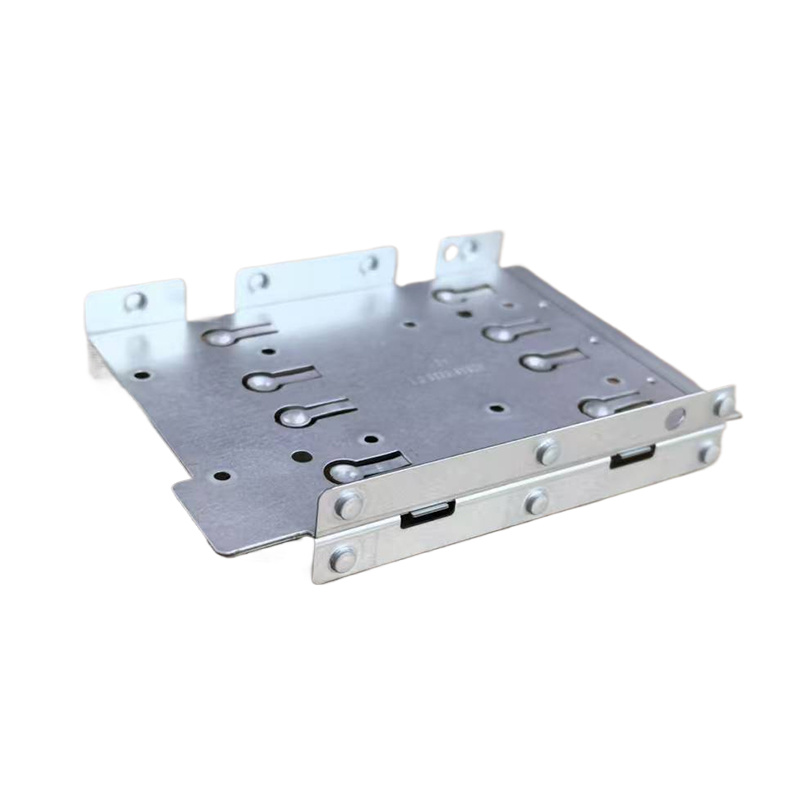
High Precision Stamping Parts: Tailored Solutions for Diverse Manufacturing Challenges
Table of Contents
- Understanding High Precision Stamping
- The Importance of Precision in Manufacturing
- Custom Solutions for Various Industries
- Key Materials Used in High Precision Stamping
- Advanced Stamping Technologies
- Quality Control and Assurance in Stamping Parts
- Cost-Effectiveness and Design Considerations
- Future Trends in Stamping Technology
- FAQs About High Precision Stamping Parts
- Conclusion
Understanding High Precision Stamping
High precision stamping is a sophisticated manufacturing process that shapes metal sheets into intricate parts with extreme accuracy. This technique utilizes advanced machinery and tooling to produce components that meet stringent tolerances and specifications. It is widely employed in various industries, including automotive, aerospace, electronics, and medical devices. By employing high precision stamping, manufacturers can achieve consistent quality, reduce waste, and enhance production speed.
Defining Stamping and Its Applications
Stamping involves the use of dies and presses to transform flat metal sheets into desired shapes. This process can include bending, punching, and embossing, allowing for a wide array of applications. From car body panels to electronic enclosures, stamping offers versatility in design and functionality. The ability to produce complex shapes in large quantities at a lower cost makes stamping an attractive option for manufacturers.
The Importance of Precision in Manufacturing
Precision is paramount in manufacturing, particularly for high-stakes industries where even the slightest deviation can lead to significant issues. High precision stamping parts ensure that components fit together perfectly, function reliably, and meet regulatory standards. Here are some key reasons why precision matters:
Quality Assurance
High precision stamping directly correlates with the quality of the final product. Components manufactured with precision have fewer defects, which translates into higher customer satisfaction and lower return rates.
Cost Efficiency
By minimizing errors and ensuring accurate dimensions, manufacturers can significantly reduce material wastage and rework costs. This efficiency not only benefits the bottom line but also enhances overall productivity.
Regulatory Compliance
Many industries, especially aerospace and medical, require compliance with strict regulations. High precision stamping helps manufacturers adhere to these standards, avoiding costly penalties and ensuring product safety.
Custom Solutions for Various Industries
Different industries have unique demands for stamping parts, and custom solutions are essential to meet these specific requirements. Here are some notable applications across various sectors:
Automotive Industry
The automotive sector heavily relies on high precision stamping for components like brackets, chassis parts, and interior features. Custom designs enable manufacturers to optimize performance and integrate advanced technologies, such as safety features and lightweight materials.
Aerospace Sector
In aerospace manufacturing, precision is critical. Stamping parts for aircraft, such as fuselage components and engine brackets, must meet stringent safety regulations. Custom solutions help engineers design parts that are both lightweight and robust.
Electronics Manufacturing
The electronics industry demands high precision for components like connectors, heat sinks, and enclosures. Custom stamping allows manufacturers to create parts that accommodate complex designs and advanced functionalities.
Medical Devices
In the medical field, precision parts are essential for devices such as surgical instruments and diagnostic tools. Custom stamping ensures that these components are safe, reliable, and compliant with health regulations.
Key Materials Used in High Precision Stamping
The choice of materials plays a crucial role in high precision stamping. Various metals can be utilized based on the specific application requirements. Understanding these materials helps manufacturers select the most suitable ones for their projects.
Steel
Steel is the most commonly used material in stamping due to its strength and durability. Different grades of steel can be employed, including stainless steel for applications requiring corrosion resistance.
Aluminum
Aluminum is lightweight and highly malleable, making it ideal for applications where weight reduction is essential. Its resistance to corrosion also makes it a popular choice in automotive and aerospace applications.
Brass and Copper
Brass and copper are often used in electronic components due to their excellent conductivity. Custom stamping of these materials allows for intricate designs needed in wiring and connectors.
Specialty Alloys
Sometimes, manufacturers require specific properties that standard materials cannot provide. Specialty alloys can be developed to meet these unique demands, ensuring optimal performance in the final product.
Advanced Stamping Technologies
As technology evolves, so does the stamping process. Advanced technologies enhance precision, efficiency, and versatility. Here are some noteworthy advancements:
Computer Numerical Control (CNC) Stamping
CNC stamping machines automate the stamping process, allowing for higher precision and repeatability. These machines can handle complex designs with ease, reducing human error and increasing throughput.
Progressive Die Stamping
Progressive die stamping involves a series of stations where the metal is gradually shaped. This method is perfect for high-volume production, as it allows for continuous processing of materials.
Laser Cutting and Stamping
Integrating laser cutting with stamping enhances the ability to create intricate designs. The precision of laser cutting ensures that parts fit together seamlessly, reducing assembly time and costs.
Hybrid Stamping Technologies
Hybrid technologies combine traditional stamping with advanced processes, such as additive manufacturing. This approach allows for greater flexibility and innovation in design, leading to new possibilities in part creation.
Quality Control and Assurance in Stamping Parts
Ensuring quality in high precision stamping parts is essential for maintaining industry standards and customer satisfaction. Manufacturers employ various quality control measures throughout the stamping process:
Inspection Techniques
Regular inspections, such as visual checks and dimensional measurements, are essential for identifying defects early in the process. Advanced tools like coordinate measuring machines (CMM) and optical comparators provide precise measurements.
Testing and Validation
Testing methods, including tensile strength tests and fatigue tests, are employed to ensure that stamped parts meet performance criteria. This rigorous validation process helps guarantee reliability.
Documentation and Reporting
Maintaining detailed records of the stamping process, including material certificates and inspection reports, is vital. This documentation is essential for regulatory compliance and provides traceability throughout the manufacturing cycle.
Cost-Effectiveness and Design Considerations
When opting for high precision stamping, manufacturers must balance cost and design intricacies. Here are some critical factors to consider:
Design for Manufacturability (DFM)
Incorporating DFM principles during the design phase can significantly impact production costs. Simplifying designs and minimizing the number of components can lead to more efficient stamping processes.
Material Selection
Choosing the right materials not only affects the quality of the final product but also influences production costs. Analyzing the trade-offs between material properties and expenses is essential for cost-effective manufacturing.
Volume and Production Rate
Understanding the anticipated production volume is crucial. High-volume orders may justify the initial investment in custom tooling, while lower volumes might benefit from more flexible manufacturing methods.
Future Trends in Stamping Technology
The stamping industry is poised for innovation as new technologies emerge. Here are some trends shaping the future of high precision stamping:
Smart Manufacturing
The integration of IoT (Internet of Things) and AI (Artificial Intelligence) into stamping processes is revolutionizing manufacturing. Smart machines can monitor performance in real-time, facilitating predictive maintenance and enhanced efficiency.
Sustainability Initiatives
With increasing focus on sustainability, manufacturers are exploring eco-friendly materials and processes. High precision stamping can contribute to reduced waste and energy consumption, aligning with global sustainability goals.
Customization through Digital Technologies
Advancements in digital technologies are enabling more tailored solutions. Manufacturers will increasingly leverage data analytics to understand market demands and produce customized stamping solutions efficiently.
FAQs About High Precision Stamping Parts
1. What is high precision stamping?
High precision stamping is a manufacturing process that involves shaping metal sheets into complex parts with extreme accuracy, utilizing advanced machinery and tooling.
2. What industries benefit from high precision stamping?
Various industries, including automotive, aerospace, electronics, and medical devices, benefit from high precision stamping due to its ability to produce reliable and accurate components.
3. How does material choice affect stamping parts?
Material selection impacts the performance, durability, and cost of stamping parts. Different materials offer unique properties that can enhance the functionality of the final product.
4. What technologies are used in high precision stamping?
Technologies such as CNC stamping, progressive die stamping, and laser cutting are commonly used to enhance the precision and efficiency of the stamping process.
5. How can manufacturers ensure quality in stamping parts?
Manufacturers can ensure quality through regular inspections, rigorous testing methods, and maintaining detailed documentation throughout the stamping process.
Conclusion
High precision stamping parts play a vital role in modern manufacturing, meeting the diverse needs of various industries. By embracing custom solutions, advanced technologies, and stringent quality control measures, manufacturers can produce components that not only meet but exceed expectations. As we move forward, staying abreast of industry trends and innovations will be crucial for maintaining competitiveness and delivering exceptional products. Investing in high precision stamping is not just a choice; it's a commitment to quality, efficiency, and customer satisfaction.

Address:
NanPi County, Cangzhou City, Hebei Province
OEM
From precise design drawings, to rigorous production processes, to strict quality testing, we always uphold the spirit of ingenuity, the pursuit of every detail of the perfect. Our team has a wealth of industry experience and technical strength, according to your specific needs, to provide personalized customized services, to ensure that each product can meet your expectations.