

Performance Evaluation: A Comprehensive Guide to Assess Gas Turbine Flow Meter Accuracy
Performance Evaluation: How to Assess Gas Turbine Flow Meter Accuracy Introduction to Gas Turbine Flow Meters Gas turbine flow meters play a pivotal role in various industries, facilitating accurate measurement of gas flow rates. Understanding their design and functionality is essential for any professional involved in flow measurement. These instruments utilize the principle of turbine rotation,
Jun 26,2026


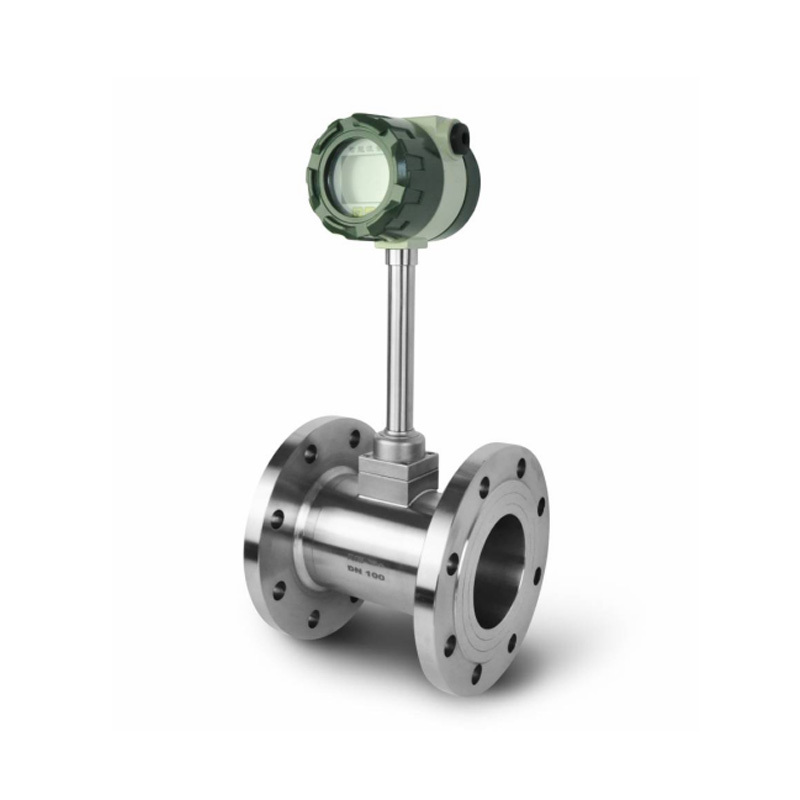
Performance Evaluation: How to Assess Gas Turbine Flow Meter Accuracy
Introduction to Gas Turbine Flow Meters
Gas turbine flow meters play a pivotal role in various industries, facilitating accurate measurement of gas flow rates. Understanding their design and functionality is essential for any professional involved in flow measurement. These instruments utilize the principle of turbine rotation, where the gas flow drives a turbine wheel, which in turn produces a pulse frequency directly proportional to the flow rate.
The Importance of Flow Meter Accuracy
Accuracy in measurement translates to reliability in industrial processes. An inaccurate gas turbine flow meter can lead to significant financial loss, inefficient operations, and compliance issues. Therefore, evaluating and ensuring the accuracy of these instruments is not just beneficial; it is imperative.
Factors Influencing Flow Meter Accuracy
Several factors can impact the accuracy of gas turbine flow meters. Recognizing these factors is crucial when assessing performance:
1. Installation Practices
Improper installation can lead to flow disturbances, which affect the meter's performance. Ensure straight pipe runs and appropriate mounting techniques to minimize errors.
2. Operating Conditions
Temperature, pressure, and gas composition can all affect a flow meter's accuracy. Understanding the operational environment is vital for proper calibration and performance evaluation.
3. Calibration Methods
Regular calibration against a known standard is essential for maintaining accuracy. Failure to do so can lead to gradual drifts in measurement.
4. Maintenance and Inspection
Routine maintenance checks and prompt repairs can mitigate the degradation of measurement accuracy over time.
Methods for Evaluating Gas Turbine Flow Meter Accuracy
Evaluating the accuracy of gas turbine flow meters involves several methodologies, each tailored to specific operational needs.
1. Direct Comparison with Reference Standards
One of the most reliable methods for assessing accuracy is to compare the readings of the gas turbine flow meter with a trusted reference standard. This could be a different flow meter known for its precision, or a calibrated flow bench.
2. Use of Flow Calibration Facilities
Dedicated flow calibration facilities provide controlled conditions under which flow meters can be tested. These facilities often utilize volumetric standards or mass flow standards to provide an accurate comparison.
3. Performance Testing Under Various Conditions
Conducting performance tests across different flow rates, temperatures, and pressures can help assess how well the meter performs under varying operational conditions.
Best Practices for Flow Meter Accuracy Assessment
Implementing best practices in evaluation processes ensures that companies can maintain the high reliability of their gas turbine flow meters.
1. Documenting Installation Parameters
Maintain detailed records of all installation parameters. This documentation is critical when troubleshooting or assessing performance later on.
2. Regular Calibration Schedules
Establishing a routine calibration schedule can help identify and rectify accuracy issues before they lead to significant problems.
3. Using Advanced Diagnostic Tools
Incorporating diagnostic technology can enhance the assessment process. Tools such as digital flow analyzers can provide real-time data that helps in evaluating meter performance.
Common Challenges in Flow Meter Accuracy Evaluation
Understanding the challenges faced during evaluation can help strategize more effective methods for maintaining accuracy.
1. Variability in Gas Composition
Changes in gas composition can affect the density and viscosity, impacting flow meter readings. Regular analysis of gas properties is essential.
2. Environmental Influences
Temperature fluctuations and humidity can also impact measurements. Implementing temperature compensation techniques can enhance accuracy.
FAQs on Gas Turbine Flow Meter Accuracy Evaluation
1. How often should gas turbine flow meters be calibrated?
Calibration frequency depends on usage, but a general recommendation is at least once a year, or more frequently in critical applications.
2. What are the signs of an inaccurate flow meter?
Common signs include inconsistent readings, sudden shifts in flow measurement, and discrepancies with other measurement devices.
3. Can gas turbine flow meters measure all types of gases?
While gas turbine flow meters are versatile, they may not be suitable for all gas types, particularly those with high particulate content or corrosive properties.
4. What maintenance practices can improve flow meter accuracy?
Regular cleaning, checking for wear and tear, and ensuring proper installation are key maintenance practices.
5. Are there any guidelines for choosing the right flow meter?
When selecting a flow meter, consider factors such as application type, gas composition, flow rate range, and environmental conditions.
Conclusion
In summary, assessing the accuracy of gas turbine flow meters is an essential process that can significantly impact operational efficiency and financial performance. By understanding the factors influencing accuracy, employing robust evaluation methods, and adhering to best practices, industries can ensure reliable measurements. Regular maintenance and calibration are crucial for sustaining the performance of these flow meters. In the long run, investing time and resources into thorough evaluation processes will yield dividends in terms of accuracy and operational efficiency.

Address:
NanPi County, Cangzhou City, Hebei Province
OEM
From precise design drawings, to rigorous production processes, to strict quality testing, we always uphold the spirit of ingenuity, the pursuit of every detail of the perfect. Our team has a wealth of industry experience and technical strength, according to your specific needs, to provide personalized customized services, to ensure that each product can meet your expectations.