

Understanding the Installation Process for Gas Turbine Flow Meters: A Comprehensive Guide
Understanding the Installation Process for Gas Turbine Flow Meters Gas turbine flow meters play a crucial role in accurately measuring fluid flow in various industrial applications. Their precision and reliability make them essential tools in sectors like oil and gas, chemicals, water treatment, and many others. However, to harness their full potential, understanding the installation process is vi
Jul 26,2026


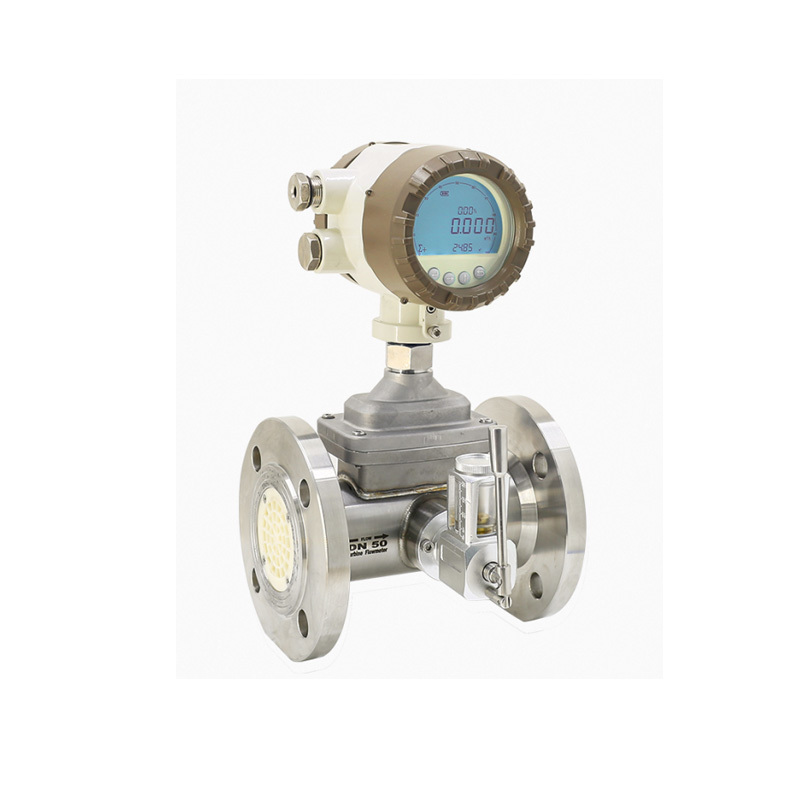
Understanding the Installation Process for Gas Turbine Flow Meters
Gas turbine flow meters play a crucial role in accurately measuring fluid flow in various industrial applications. Their precision and reliability make them essential tools in sectors like oil and gas, chemicals, water treatment, and many others. However, to harness their full potential, understanding the installation process is vital. This article provides comprehensive insights into installing gas turbine flow meters effectively.
Table of Contents
- 1. Introduction to Gas Turbine Flow Meters
- 2. Importance of Proper Installation
- 3. Preparation for Installation
- 4. Step-by-Step Installation Process
- 4.1 Site Selection
- 4.2 Pipe Alignment
- 4.3 Mounting the Flow Meter
- 4.4 Wiring Connections
- 4.5 Testing the Installation
- 5. Common Issues and Troubleshooting
- 6. Ongoing Maintenance and Calibration
- 7. Frequently Asked Questions (FAQs)
- 8. Conclusion
1. Introduction to Gas Turbine Flow Meters
Gas turbine flow meters are precision instruments designed to measure the flow rate of liquids and gases. Utilizing a turbine wheel that spins with the fluid flow, these meters provide highly accurate and repeatable measurements. Their design makes them ideal for applications requiring precise control and monitoring.
The ability to function in a variety of conditions, from high-pressure environments to varying fluid viscosities, makes gas turbine flow meters invaluable in industrial settings. Understanding the installation process is critical to maximizing their performance and ensuring longevity.
2. Importance of Proper Installation
Proper installation of gas turbine flow meters is paramount to achieving accurate flow measurements. An improperly installed meter can lead to inaccurate readings, costly downtime, and increased maintenance costs. Key reasons for ensuring proper installation include:
- **Accuracy**: Correct installation guarantees that the meter provides precise flow measurements.
- **Longevity**: Properly installed meters can operate efficiently for extended periods, reducing the likelihood of malfunctions.
- **Reduced Calibration Needs**: Meters that are correctly installed require less frequent recalibration, saving time and resources.
- **Safety**: Ensuring safe installation practices can prevent accidents and promote a safer working environment.
3. Preparation for Installation
Before proceeding with the installation, adequate preparation is essential. This stage involves understanding the site conditions, gathering necessary tools, and reviewing manufacturer guidelines.
3.1 Site Assessment
Conducting a thorough assessment of the installation site is critical. Factors to consider include:
- **Pipe Size and Type**: Ensure the meter is compatible with the existing piping system.
- **Fluid Characteristics**: Understanding the fluid’s viscosity, temperature, and density will help in selecting the right meter.
- **Environmental Conditions**: Consider factors such as temperature fluctuations, humidity, and potential contaminants that may affect performance.
3.2 Tools and Equipment
Gathering the right tools is vital for a smooth installation process. Essential tools include:
- Wrenches and socket sets
- Pipe cutters and thread sealant
- Leveling tools
- Electrical testing equipment
- Safety gear
4. Step-by-Step Installation Process
The installation of gas turbine flow meters involves several critical steps to ensure accuracy and reliability. Following a systematic approach can prevent common installation pitfalls.
4.1 Site Selection
The first step in the installation process is selecting an appropriate site for the flow meter. Key considerations include:
- **Straight Pipe Length**: Gas turbine flow meters require a straight run of piping before and after the meter to ensure stable flow conditions. The recommended length typically ranges from 5 to 10 pipe diameters upstream and downstream.
- **Avoiding Obstructions**: Install the meter away from valves, elbows, or fittings that can cause turbulence and affect measurements.
4.2 Pipe Alignment
Ensuring proper alignment of the piping is crucial. Misalignment can lead to strain on the meter, causing inaccuracies. Steps include:
- Using leveling tools to check for horizontal and vertical alignment.
- Ensuring that the meter is installed in accordance with the manufacturer’s specifications regarding orientation.
4.3 Mounting the Flow Meter
Once the site and pipe alignment are confirmed, the next step is to mount the flow meter. Follow these guidelines:
- **Secure Mounting**: Use appropriate mounting brackets or flanges as specified by the manufacturer. Ensure that the meter is firmly attached to prevent vibrations.
- **Seal Connections**: Apply thread sealant to threaded connections to prevent leaks. Avoid using excessive sealant, as this can obstruct flow.
4.4 Wiring Connections
Correct wiring connections are essential for the flow meter to function properly. Steps include:
- Reviewing the wiring diagram provided by the manufacturer.
- Using appropriate electrical cables that comply with local regulations.
- Ensuring all connections are tight and secure to prevent electrical faults.
4.5 Testing the Installation
After installation, testing is crucial to ensure functionality. Testing steps include:
- Conducting a flow test to verify that the meter operates correctly.
- Checking for leaks around all connections.
- Calibrating the meter according to the manufacturer’s instructions to ensure accurate measurements.
5. Common Issues and Troubleshooting
Even with careful installation, issues can arise with gas turbine flow meters. Being aware of potential problems and their solutions is essential for maintaining optimal performance.
5.1 Inaccurate Readings
If the flow meter provides inaccurate readings, consider the following troubleshooting steps:
- Verify the installation alignment and ensure that the meter is properly situated in the piping system.
- Check for any obstructions in the flow path.
- Ensure that the meter is calibrated correctly.
5.2 Mechanical Failures
Mechanical failures can occur due to wear and tear. Symptoms include abnormal noises or erratic readings. Regular maintenance and inspections can help prevent these issues.
6. Ongoing Maintenance and Calibration
Regular maintenance is essential for the longevity and accuracy of gas turbine flow meters. Key maintenance practices include:
- **Routine Inspection**: Regularly inspect connections and the meter for wear and leaks.
- **Calibration Checks**: Schedule periodic calibration to ensure ongoing accuracy.
- **Cleaning**: Depending on the fluid being measured, periodic cleaning may be required to remove any build-up that could affect performance.
7. Frequently Asked Questions (FAQs)
7.1 What is the typical lifespan of a gas turbine flow meter?
The lifespan of a gas turbine flow meter varies depending on usage, maintenance, and environmental conditions but can typically last between 10 to 20 years.
7.2 How often should I calibrate my flow meter?
Calibration frequency depends on the application and manufacturer recommendations. Generally, calibration should occur annually or after significant maintenance work.
7.3 Can gas turbine flow meters measure both liquids and gases?
Yes, many gas turbine flow meters can measure both liquids and gases, though specific models may be optimized for one type.
7.4 What are the signs of a failing gas turbine flow meter?
Common signs include erratic readings, unusual noises, and failure to read flow completely.
7.5 How do I choose the right gas turbine flow meter for my application?
Factors to consider include the fluid type, flow rate range, pressure, temperature conditions, and compatibility with existing systems.
8. Conclusion
Understanding the installation process for gas turbine flow meters is essential for achieving accurate and reliable flow measurements in various applications. By following the detailed steps outlined in this article, technicians can ensure that these instruments are installed correctly, maintained properly, and calibrated consistently. Investing time in proper installation not only enhances the meter's longevity but also contributes to overall operational efficiency. Whether you’re new to flow meters or a seasoned professional, mastering the installation process will significantly impact your workflow and bottom line.

Address:
NanPi County, Cangzhou City, Hebei Province
OEM
From precise design drawings, to rigorous production processes, to strict quality testing, we always uphold the spirit of ingenuity, the pursuit of every detail of the perfect. Our team has a wealth of industry experience and technical strength, according to your specific needs, to provide personalized customized services, to ensure that each product can meet your expectations.