

Enhancing Product Design with High Precision Stamping Parts: A Comprehensive Guide
Enhancing Product Design with High Precision Stamping Parts Table of Contents 1. Introduction to High Precision Stamping Parts 2. Key Benefits of Using Stamping Parts in Product Design 3. Applications of High Precision Stamping Parts in Various Industries 4. The Manufacturing Process of Stamping Parts 4.1 Material Selection for Stamping Parts 4.2 Techniques in Stamping Production 5. Design Conside
Jul 23,2026


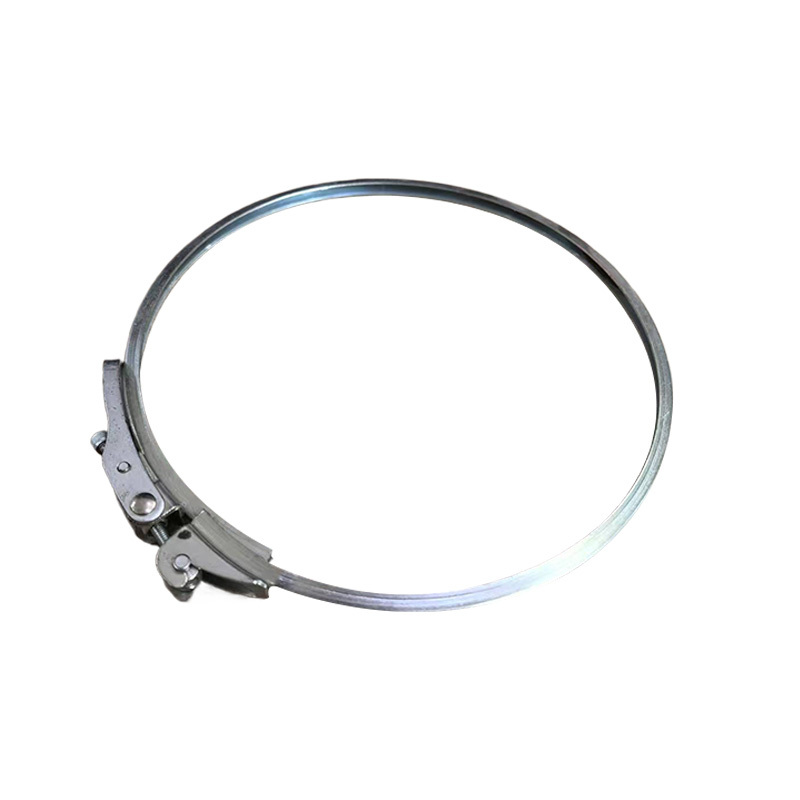
Enhancing Product Design with High Precision Stamping Parts
Table of Contents
1. Introduction to High Precision Stamping Parts
2. Key Benefits of Using Stamping Parts in Product Design
3. Applications of High Precision Stamping Parts in Various Industries
4. The Manufacturing Process of Stamping Parts
4.1 Material Selection for Stamping Parts
4.2 Techniques in Stamping Production
5. Design Considerations for High Precision Stamping Parts
6. Quality Control Measures in Stamping Processes
7. Future Trends in High Precision Stamping Technology
8. FAQs About High Precision Stamping Parts
9. Conclusion
1. Introduction to High Precision Stamping Parts
High precision stamping parts play a pivotal role in modern manufacturing, particularly in industries where accuracy and efficiency are paramount. These parts are produced through a process that transforms flat metal sheets into complex shapes and designs using precise tooling. The ability to create intricate designs while maintaining tight tolerances makes high precision stamping an essential technique for engineers and designers looking to enhance product functionality and aesthetics.
2. Key Benefits of Using Stamping Parts in Product Design
Integrating high precision stamping parts into product design offers numerous advantages.
Cost Efficiency
One of the most compelling benefits is the cost-effectiveness of mass production. High precision stamping allows for the production of large volumes of parts at a lower cost per unit, which is essential for businesses aiming to scale their operations.
Consistency and Quality
Another significant advantage is the high level of consistency and quality achieved through this manufacturing process. Each part produced is nearly identical, reducing variability and ensuring that products meet stringent quality standards.
Design Flexibility
High precision stamping also provides designers with remarkable flexibility. They can experiment with innovative designs that might be challenging or impossible to achieve using traditional manufacturing methods.
3. Applications of High Precision Stamping Parts in Various Industries
High precision stamping parts find applications across a broad range of industries, including:
Automotive Industry
In the automotive sector, stamping parts are crucial for producing components such as brackets, panels, and housings. The ability to create lightweight yet durable components contributes to overall vehicle efficiency.
Electronics Industry
High precision stamping is instrumental in the electronics industry for manufacturing parts like circuit boards and connectors. The compact dimensions and intricate designs enhance the functionality of electronic devices.
Aerospace Industry
In the aerospace sector, the need for lightweight, strong components is critical. Stamped parts are used in various applications, including structural components and fasteners.
4. The Manufacturing Process of Stamping Parts
Understanding the intricacies of the stamping manufacturing process is essential for optimizing product design.
4.1 Material Selection for Stamping Parts
Choosing the right material is fundamental. Common materials include aluminum, stainless steel, and carbon steel, each offering unique properties suitable for different applications. Material thickness, strength, and corrosion resistance are key factors that play into the selection process.
4.2 Techniques in Stamping Production
Several techniques are employed in the production of stamping parts:
- **Progressive Stamping**: This involves a series of operations performed in a single stroke, allowing for complex shapes to be created efficiently.
- **Deep Draw Stamping**: Utilized for making hollow parts, this technique is essential in industries where space and weight savings are critical.
- **Blanking**: This method involves cutting out shapes from a sheet of material, laying the groundwork for further processing.
5. Design Considerations for High Precision Stamping Parts
When designing parts for high precision stamping, several factors must be considered:
Design for Manufacturability
Designing parts that are easy to manufacture reduces costs and production time. This involves minimizing complex geometries and considering the capabilities of the stamping process.
Tolerance Levels
Setting appropriate tolerance levels is critical to ensure that parts fit together as intended. This requires a deep understanding of the stamping process and the capabilities of the machinery used.
Assembly Requirements
Designs should also take into account how parts will be assembled. Incorporating features that facilitate easy assembly can greatly enhance production efficiency.
6. Quality Control Measures in Stamping Processes
Ensuring high quality in stamping processes involves implementing rigorous quality control measures.
Inspection Techniques
Utilizing advanced inspection techniques such as 3D scanning and coordinate measurement machines (CMMs) can help identify defects early in the production process.
Process Monitoring
Continuous monitoring of the stamping process allows manufacturers to detect variations in real-time, enabling immediate corrective actions.
7. Future Trends in High Precision Stamping Technology
The landscape of high precision stamping is continually evolving.
Automation and Smart Manufacturing
The integration of automation and smart manufacturing technologies is reshaping the stamping industry. Robotics and AI are streamlining production processes, enhancing efficiency and reducing human error.
Advanced Materials
The development of advanced materials such as high-strength alloys is opening new avenues for stamping applications, allowing for lighter and more durable components.
Sustainability Practices
As industries aim for sustainability, stamping processes are becoming greener. Manufacturers are focusing on reducing waste and energy consumption, making eco-friendly practices a priority in stamping operations.
8. FAQs About High Precision Stamping Parts
What is high precision stamping?
High precision stamping is a manufacturing process that involves shaping metal sheets into specific designs using precise molds and tools, resulting in highly accurate parts.
What materials are used in high precision stamping?
Common materials include aluminum, stainless steel, and carbon steel, chosen based on the specific requirements of the application.
How does stamping differ from other manufacturing processes?
Stamping is primarily focused on shaping and cutting metal sheets, while other processes like machining involve removing material from a solid block.
What industries benefit most from high precision stamping?
Industries such as automotive, electronics, and aerospace heavily rely on high precision stamping for producing components that require tight tolerances and high strength.
What are the advantages of using stamped parts in product design?
Stamped parts offer benefits such as cost-effectiveness, consistent quality, design flexibility, and the ability to produce complex shapes efficiently.
9. Conclusion
High precision stamping parts are integral to advancing product design across various industries. By harnessing the benefits of this manufacturing process, companies can enhance their product offerings, achieve higher levels of efficiency, and respond to market demands more effectively. As technology continues to evolve, staying informed about trends and best practices in high precision stamping will be essential for maintaining a competitive edge in today's fast-paced manufacturing landscape. Embracing these innovations not only streamlines production but also paves the way for future advancements in design and manufacturing.

Address:
NanPi County, Cangzhou City, Hebei Province
OEM
From precise design drawings, to rigorous production processes, to strict quality testing, we always uphold the spirit of ingenuity, the pursuit of every detail of the perfect. Our team has a wealth of industry experience and technical strength, according to your specific needs, to provide personalized customized services, to ensure that each product can meet your expectations.