

Stretch Expansion Stamping Parts: Meeting Industry Standards for Superior Manufacturing
Stretch Expansion Stamping Parts: Meeting Industry Standards for Superior Manufacturing Table of Contents 1. Introduction to Stretch Expansion Stamping Parts 2. Understanding the Manufacturing Process 3. Importance of Industry Standards in Stretch Expansion Stamping 3.1 Quality Assurance and Control 3.2 Compliance with Regulatory Requirements 4. Key Materials Used in Stretch Expansion Stamping 5.
Jul 20,2026


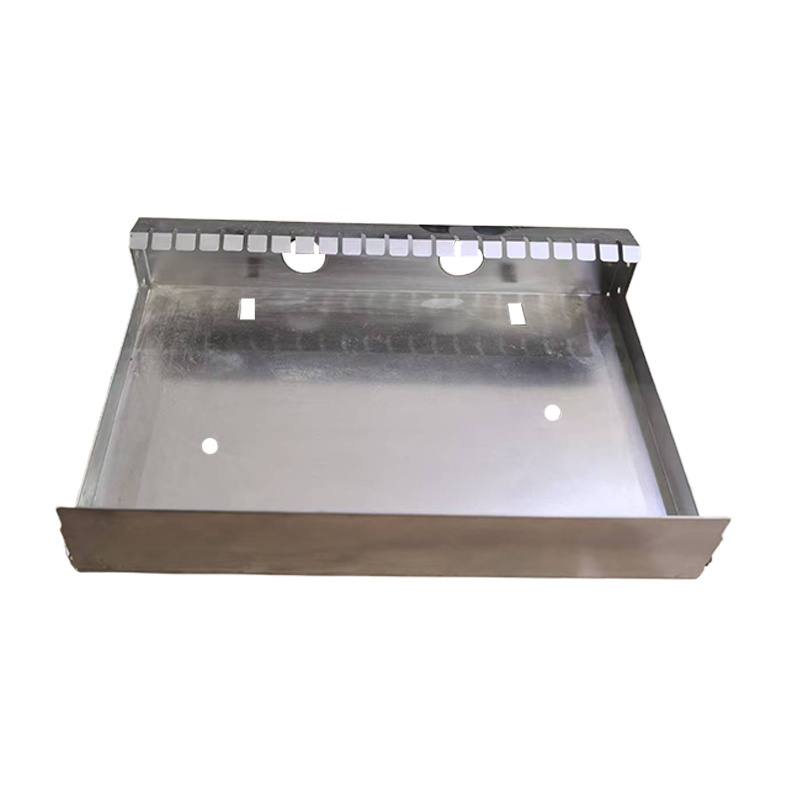
Stretch Expansion Stamping Parts: Meeting Industry Standards for Superior Manufacturing
Table of Contents
1. Introduction to Stretch Expansion Stamping Parts
2. Understanding the Manufacturing Process
3. Importance of Industry Standards in Stretch Expansion Stamping
3.1 Quality Assurance and Control
3.2 Compliance with Regulatory Requirements
4. Key Materials Used in Stretch Expansion Stamping
5. Techniques and Technologies in Stretch Expansion Stamping
5.1 Traditional vs. Modern Techniques
5.2 Automation and Precision Engineering
6. Applications of Stretch Expansion Stamping Parts
7. Best Practices for Manufacturers
7.1 Continuous Improvement Approaches
7.2 Employee Training and Development
8. Frequently Asked Questions (FAQs)
9. Conclusion
1. Introduction to Stretch Expansion Stamping Parts
Stretch expansion stamping parts are integral components in various industries, especially in the manufacturing sector. These parts are created through a specialized stamping process that involves stretching and expanding metal sheets to achieve desired shapes and dimensions. This technique not only enhances the mechanical properties of the material but also allows for intricate designs that cater to the specific needs of different applications.
The evolving landscape of manufacturing demands high efficiency, precision, and durability. As such, understanding stretch expansion stamping parts and their adherence to industry standards is pivotal for businesses aiming to maintain a competitive edge. In this article, we will explore the various aspects of stretch expansion stamping parts, from the manufacturing processes involved to the importance of compliance with industry standards.
2. Understanding the Manufacturing Process
The manufacturing process of stretch expansion stamping parts is a sophisticated interplay of various techniques aimed at transforming raw materials into functional components. This process typically involves several key stages:
1. **Material Selection**: The choice of material is crucial in achieving the desired properties of the final product. Common materials include stainless steel, aluminum, and specialized alloys, each offering unique benefits in terms of strength, weight, and resistance to corrosion.
2. **Blanking**: The initial step involves blanking, where flat sheets of metal are cut into shapes that will be further processed. This stage requires precision to reduce waste and ensure consistency in the final products.
3. **Stretching and Expanding**: The core of the process, stretching and expanding, is where the metal is manipulated into its final shape. This is achieved through hydraulic presses or mechanical stamping machines, which apply controlled force to elongate the material without compromising its integrity.
4. **Finishing**: After forming, parts undergo finishing processes such as deburring, coating, or polishing to enhance their aesthetic appeal and functionality. These steps are essential for meeting industry standards of quality.
5. **Quality Inspection**: Rigorous quality checks are performed at every stage of production to ensure that the parts meet specified tolerances and performance criteria. This adherence to quality is crucial for customer satisfaction and regulatory compliance.
3. Importance of Industry Standards in Stretch Expansion Stamping
Adhering to industry standards is critical for manufacturers involved in the production of stretch expansion stamping parts. These standards dictate the quality, safety, and efficiency of manufacturing processes, thereby influencing the overall success of the business.
3.1 Quality Assurance and Control
Quality assurance encompasses the systematic processes that ensure products meet defined standards. For stretch expansion stamping parts, this includes:
- **Process Control**: Establishing standard operating procedures (SOPs) that govern each step of the manufacturing process to minimize variability.
- **Testing Protocols**: Implementing rigorous testing protocols to evaluate mechanical properties such as tensile strength, fatigue resistance, and dimensional accuracy.
- **Documentation**: Maintaining comprehensive documentation of manufacturing processes and quality checks ensures traceability and accountability.
3.2 Compliance with Regulatory Requirements
Manufacturers must navigate a maze of regulatory requirements that govern the production of stretch expansion stamping parts. Compliance with standards such as ISO 9001 or industry-specific regulations is essential for:
- **Market Access**: Many industries require compliance with specific standards for products to be marketable.
- **Reputation Management**: Adhering to standards fosters trust among customers and partners, enhancing the company's reputation in the industry.
4. Key Materials Used in Stretch Expansion Stamping
The material selection for stretch expansion stamping parts plays a significant role in determining the performance and longevity of the final product. Some commonly used materials include:
- **Stainless Steel**: Known for its corrosion resistance and strength, stainless steel is ideal for applications where durability is paramount.
- **Aluminum**: Lightweight and malleable, aluminum is often used in aerospace and automotive applications for its excellent strength-to-weight ratio.
- **Copper Alloys**: Used for electrical components, copper alloys provide excellent conductivity while maintaining formability.
Understanding the properties of these materials allows manufacturers to make informed decisions on which to use based on the specific requirements of each application.
5. Techniques and Technologies in Stretch Expansion Stamping
Modern manufacturing techniques have evolved significantly, enhancing the precision and efficiency of stretch expansion stamping.
5.1 Traditional vs. Modern Techniques
Traditional stamping techniques often relied on manual processes, which could lead to inconsistencies and longer production times. The advent of modern technologies has introduced:
- **CNC Machining**: Computer Numerical Control (CNC) machining automates the stamping process, allowing for precision and repeatability.
- **Hydraulic Presses**: These provide greater force and precision, enabling more complex shapes to be formed with minimal material waste.
5.2 Automation and Precision Engineering
Automation has revolutionized the manufacturing landscape, enabling manufacturers to increase throughput while reducing labor costs. Implementing robotics and automation technologies in the stretching and stamping processes leads to:
- **Increased Efficiency**: Automated systems can operate continuously, significantly boosting production rates.
- **Enhanced Quality Control**: Real-time monitoring systems can detect defects early, ensuring that only high-quality parts reach the market.
6. Applications of Stretch Expansion Stamping Parts
Stretch expansion stamping parts find applications across various industries, each with unique requirements. Here are some notable applications:
- **Automotive Industry**: Used in the production of structural components, brackets, and chassis parts, where both strength and lightweight properties are crucial.
- **Aerospace Industry**: Employed in the manufacture of lightweight, durable components that must withstand extreme conditions.
- **Electronics**: Used in the production of casings and components where high precision and conductivity are required.
7. Best Practices for Manufacturers
To excel in the manufacturing of stretch expansion stamping parts, companies must adopt best practices that focus on quality, efficiency, and adaptability.
7.1 Continuous Improvement Approaches
Implementing continuous improvement methodologies, such as Lean Manufacturing or Six Sigma, can help identify inefficiencies and enhance product quality. By regularly assessing processes and encouraging employee feedback, manufacturers can foster a culture of innovation.
7.2 Employee Training and Development
Investing in the training and development of employees is essential for maintaining high standards in production. Regular training sessions on new technologies, quality control measures, and safety protocols ensure that the workforce remains competent and motivated.
8. Frequently Asked Questions (FAQs)
1. What are the key benefits of stretch expansion stamping parts?
Stretch expansion stamping parts offer benefits including enhanced durability, precision, and the ability to create complex geometries that are essential in various applications.
2. What industries utilize stretch expansion stamping?
Industries such as automotive, aerospace, electronics, and construction utilize stretch expansion stamping due to the need for high-quality, precise components.
3. How does material choice affect the performance of stamping parts?
The choice of material impacts the strength, weight, and resistance to environmental factors, thus determining the suitability of parts for specific applications.
4. What role does automation play in the manufacturing process?
Automation increases efficiency, reduces labor costs, and enhances the precision of the manufacturing process, leading to consistent quality and higher output.
5. How can manufacturers ensure compliance with industry standards?
Manufacturers can ensure compliance by implementing quality management systems, regular training, and thorough documentation of processes and inspections.
9. Conclusion
In the competitive landscape of manufacturing, understanding and implementing the principles of stretch expansion stamping parts while adhering to industry standards is essential for success. From material selection to advanced manufacturing techniques, every aspect plays a critical role in ensuring product quality and reliability. By embracing best practices and fostering a culture of continuous improvement, manufacturers can not only meet but exceed industry expectations, paving the way for innovation and excellence in their respective fields.

Address:
NanPi County, Cangzhou City, Hebei Province
OEM
From precise design drawings, to rigorous production processes, to strict quality testing, we always uphold the spirit of ingenuity, the pursuit of every detail of the perfect. Our team has a wealth of industry experience and technical strength, according to your specific needs, to provide personalized customized services, to ensure that each product can meet your expectations.