

Unlocking Precision: The Applications of CNC Machining in Creating High-Quality Stamped Parts
Unlocking Precision: The Applications of CNC Machining in Creating High-Quality Stamped Parts Table of Contents Understanding CNC Machining Importance of Stamped Parts in Manufacturing Benefits of CNC Machining in Stamped Parts Production How CNC Machining Enhances Stamped Parts Quality Various Applications of CNC Machining in Stamped Parts Materials Used in CNC Machinin
Aug 10,2026


Unlocking Precision: The Applications of CNC Machining in Creating High-Quality Stamped Parts
Table of Contents
- Understanding CNC Machining
- Importance of Stamped Parts in Manufacturing
- Benefits of CNC Machining in Stamped Parts Production
- How CNC Machining Enhances Stamped Parts Quality
- Various Applications of CNC Machining in Stamped Parts
- Materials Used in CNC Machining for Stamped Parts
- Future Trends in CNC Machining and Stamped Parts
- Frequently Asked Questions
Understanding CNC Machining
CNC (Computer Numerical Control) machining is a revolutionary technology in the manufacturing industry, automating the process of controlling machine tools through computers. This method entails the use of software to control various types of machinery, such as lathes, mills, grinders, and routers. CNC machining has become synonymous with precision, making it an essential technique in producing high-quality stamped parts.
The CNC machining process begins with a digital design, typically created using CAD (Computer-Aided Design) software. This design is then translated into a CNC program, which dictates the movements and actions of the machinery. The exactness with which CNC machines can recreate these designs allows for high levels of consistency and repeatability, vital for the production of stamped parts.
Importance of Stamped Parts in Manufacturing
Stamped parts are integral components in various manufacturing sectors, including automotive, aerospace, electronics, and consumer goods. These parts, which can be produced from metals and other materials using a stamping process, are crucial for functionalities ranging from structural support to aesthetic enhancements.
The significance of stamped parts lies in their ability to create complex shapes and forms from a flat sheet of material. This efficiency not only reduces waste but also allows for rapid production cycles, making stamped parts ideal for large-scale manufacturing. As industries continue to innovate, the demand for high-quality stamped parts is poised to grow, further emphasizing the need for advanced manufacturing techniques like CNC machining.
Benefits of CNC Machining in Stamped Parts Production
The integration of CNC machining in the production of stamped parts offers numerous advantages:
1. Enhanced Precision
CNC machining boasts exceptional precision, often reaching tolerances as tight as ±0.005 mm. This level of accuracy is crucial when producing stamped parts that must fit seamlessly in assemblies.
2. Increased Efficiency
With the ability to automate processes, CNC machining significantly reduces production times. Once a program is set up, machines can operate continuously, producing high volumes of parts without the need for constant human intervention.
3. Versatility in Design
CNC machines can work with various materials and produce complex geometries, allowing for innovative designs that enhance the functionality of stamped parts. Whether it’s intricate patterns or unique shapes, CNC machining can bring diverse concepts to life.
4. Consistent Quality
One of the standout features of CNC machining is its ability to maintain high-quality standards throughout production runs. This consistency is vital for industries where even minor defects can lead to significant problems.
5. Cost-Effectiveness
Although the initial investment in CNC equipment may be substantial, the long-term savings in labor costs, material waste, and production efficiency often outweigh these costs. This makes CNC machining a financially sound choice for manufacturers.
How CNC Machining Enhances Stamped Parts Quality
The quality of stamped parts is directly influenced by the precision and capabilities of the CNC machining process. Here’s how CNC machining elevates the quality of stamped parts:
1. Superior Surface Finish
CNC machining can achieve superior surface finishes that are essential for aesthetic and functional purposes. A smooth surface minimizes friction and wear, which is particularly important in automotive and aerospace applications.
2. Reduced Tolerances
CNC machines operate with high repeatability, allowing manufacturers to produce stamped parts with minimal deviations. This precision is crucial for parts that require tight tolerances to ensure proper fit and function.
3. Elimination of Human Error
By automating the machining process, CNC technology reduces the chances of human error. This reliability is particularly beneficial in high-stakes industries where precision is paramount.
4. Quality Control Through Automation
CNC machining systems can incorporate real-time monitoring and feedback mechanisms that ensure each part meets quality standards. This integration of quality control enhances the overall reliability of the production process.
Various Applications of CNC Machining in Stamped Parts
CNC machining has a wide array of applications in the creation of stamped parts across different industries. Here are some notable examples:
1. Automotive Industry
In the automotive sector, CNC machining is used to create stamped parts such as brackets, panels, and fasteners. These components require high precision to ensure vehicle safety and performance.
2. Aerospace Manufacturing
Aerospace applications demand the highest quality standards. CNC machining produces stamped parts like structural components and fittings that must withstand extreme conditions.
3. Electronics Sector
In electronics, CNC machining fabricates stamped parts such as housings and connectors. These parts often require intricate designs and precise specifications to function correctly.
4. Consumer Goods Production
CNC machining plays a vital role in producing stamped parts for various consumer products, from kitchen appliances to tools. The ability to create complex shapes enhances product functionality and aesthetic appeal.
Materials Used in CNC Machining for Stamped Parts
The choice of material in CNC machining is crucial for the performance of stamped parts. Common materials include:
1. Metals
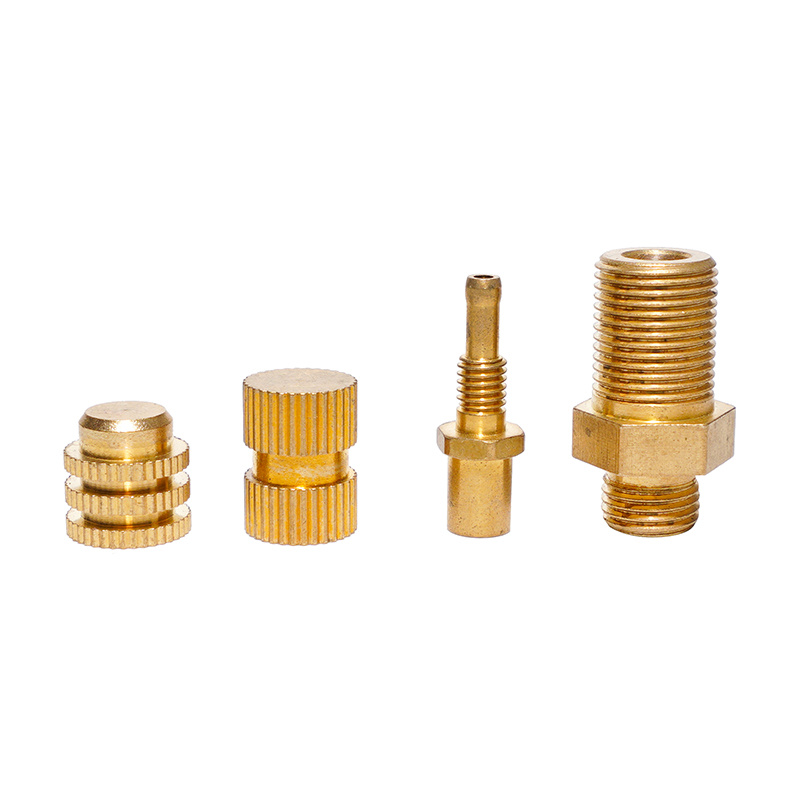
Aluminum, steel, and brass are widely used in CNC machining for stamped parts due to their strength, durability, and machinability. Aluminum is often favored for lightweight applications, while steel provides high strength and toughness.
2. Plastics
Plastics such as ABS and polycarbonate are also used for stamped parts in applications where weight savings are essential or where corrosion resistance is required.
3. Composites
Advanced composites are increasingly utilized in high-performance applications, particularly in aerospace and automotive sectors. CNC machining allows for the precise shaping of these complex materials.
Future Trends in CNC Machining and Stamped Parts
As technology evolves, the landscape of CNC machining and the production of stamped parts will continue to advance. Here are a few trends to watch:
1. Integration of AI and Machine Learning
The implementation of artificial intelligence in CNC machining could lead to smarter and more efficient production processes, enabling real-time adjustments and predictive maintenance.
2. Increased Use of Additive Manufacturing
While CNC machining is predominantly subtractive, the integration of additive manufacturing techniques could create hybrid processes that enhance design capabilities and reduce material waste.
3. Sustainable Manufacturing Practices
With a growing emphasis on sustainability, manufacturers will likely adopt eco-friendly materials and processes, leveraging CNC machining to minimize waste and energy consumption.
4. Customization and Small-Batch Production
The demand for customized products is on the rise. CNC machining’s flexibility allows manufacturers to cater to this trend, enabling the production of small-batch, high-quality stamped parts tailored to specific customer needs.
Frequently Asked Questions
1. What is CNC machining?
CNC machining is a manufacturing process that uses computer-controlled machines to produce parts with high precision and consistency.
2. How does CNC machining improve the quality of stamped parts?
CNC machining enhances the quality of stamped parts by providing superior precision, reducing human error, and enabling real-time quality control.
3. What materials can be used in CNC machining for stamped parts?
Common materials include metals like aluminum and steel, as well as plastics and advanced composites.
4. What are the main benefits of using CNC machining in stamped parts production?
Benefits include enhanced precision, increased efficiency, versatility in design, consistent quality, and cost-effectiveness.
5. What industries benefit the most from CNC machining in stamped parts production?
Industries such as automotive, aerospace, electronics, and consumer goods greatly benefit from CNC machining due to its precision and efficiency.
Conclusion
The applications of CNC machining in creating high-quality stamped parts have significantly transformed the manufacturing landscape. From enhancing precision and efficiency to allowing for innovative designs, CNC technology has established itself as a cornerstone in stamped parts production. As industries continue to evolve and demand higher quality and more diverse products, the role of CNC machining will undoubtedly expand. Embracing these advancements not only ensures the production of superior stamped parts but also empowers manufacturers to meet the challenges of an ever-changing market. By staying informed about the latest trends and technologies, businesses can leverage CNC machining to maintain a competitive edge and drive success in their operations.

Address:
NanPi County, Cangzhou City, Hebei Province
OEM
From precise design drawings, to rigorous production processes, to strict quality testing, we always uphold the spirit of ingenuity, the pursuit of every detail of the perfect. Our team has a wealth of industry experience and technical strength, according to your specific needs, to provide personalized customized services, to ensure that each product can meet your expectations.