
Innovative Techniques in the Production of Precision Forging Stamping Parts
Innovative Techniques in the Production of Precision Forging Stamping Parts Table of Contents 1. Introduction to Precision Forging Stamping Parts 2. Understanding the Importance of Precision in Manufacturing 3. Overview of Traditional Techniques in Forging and Stamping 4. Innovative Techniques Revolutionizing Production 4.1 Advanced Materials in Precision Forging 4.2 Automation and Robotics in Sta
Aug 07,2026


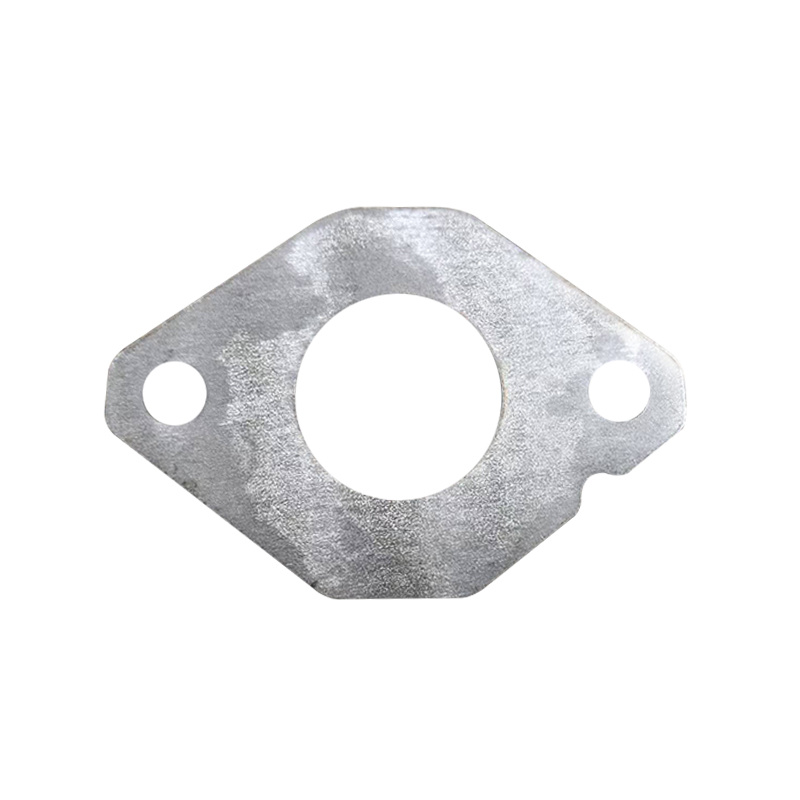
Innovative Techniques in the Production of Precision Forging Stamping Parts
Table of Contents
1. Introduction to Precision Forging Stamping Parts
2. Understanding the Importance of Precision in Manufacturing
3. Overview of Traditional Techniques in Forging and Stamping
4. Innovative Techniques Revolutionizing Production
4.1 Advanced Materials in Precision Forging
4.2 Automation and Robotics in Stamping Production
4.3 Computer-Aided Design (CAD) and Simulation
4.4 Eco-Friendly Practices in Forging and Stamping
5. Quality Control Measures in Precision Forging Stamping
6. Industry Applications of Precision Forging Stamping Parts
7. Future Trends in Forging and Stamping Technologies
8. Conclusion
9. FAQs
1. Introduction to Precision Forging Stamping Parts
In the ever-evolving landscape of manufacturing, **precision forging stamping parts** stand as a testament to technological advancements. These components are vital across various industries, including automotive, aerospace, and electronics, where reliability and performance are paramount. This article delves into the innovative techniques that are reshaping the production of these intricate components, enhancing their quality and functionality.
2. Understanding the Importance of Precision in Manufacturing
Precision in manufacturing is not merely a goal; it is a necessity. In industries where tolerances are tight and performance is critical, the need for exact specifications is non-negotiable. Precision forging stamping parts must meet stringent standards to ensure they perform optimally under stress. The precision of these parts directly impacts the efficiency and durability of the final products, making innovative manufacturing techniques essential.
3. Overview of Traditional Techniques in Forging and Stamping
Historically, forging and stamping have relied on mechanical processes such as **hot and cold forging**. These methods have served the industry well, utilizing traditional techniques like die design and manual adjustments to produce parts. However, these conventional methods often face limitations in terms of speed, accuracy, and material waste. As industries demand higher efficiency and quality, the shift towards innovative techniques becomes imperative.
4. Innovative Techniques Revolutionizing Production
The production of precision forging stamping parts has witnessed a paradigm shift due to the integration of modern technologies and methodologies. Below are some of the most impactful innovations currently transforming the landscape.
4.1 Advanced Materials in Precision Forging
Utilizing advanced materials is one of the foremost innovations in precision forging. High-performance alloys, composites, and specially treated steels are being developed to improve strength, weight, and resistance to wear. These materials not only enhance the quality of the stamping parts but also expand their applications across various industries.
4.2 Automation and Robotics in Stamping Production
The introduction of automation and robotics has significantly streamlined the production process. Automated stamping machines can achieve higher production rates with unparalleled precision. Robotics also reduce human error and labor costs, making the manufacturing process more efficient and cost-effective. Furthermore, these technologies allow for real-time monitoring and adjustments, ensuring that each part meets the required specifications.
4.3 Computer-Aided Design (CAD) and Simulation
The use of **Computer-Aided Design (CAD)** and simulation software has revolutionized the way precision forging stamping parts are designed and produced. CAD allows engineers to create detailed models of parts, facilitating better planning and visualization. Simulation tools enable manufacturers to anticipate potential issues in the production process, optimizing designs before physical production begins. This proactive approach reduces waste and shortens production cycles.
4.4 Eco-Friendly Practices in Forging and Stamping
Sustainability is becoming increasingly important in manufacturing. Innovative techniques now incorporate eco-friendly practices such as energy-efficient machinery, waste recycling, and the use of biodegradable materials. These practices not only reduce the environmental impact but also appeal to a growing segment of consumers and businesses that prioritize sustainability in their purchasing decisions.
5. Quality Control Measures in Precision Forging Stamping
Quality control is paramount in the production of precision forging stamping parts. Advanced inspection technologies, including laser scanning and X-ray inspection, are now commonly employed to ensure that each part adheres to strict quality standards. These technologies allow for rapid and non-destructive testing, identifying defects that could compromise the functionality of the parts. Implementing robust quality control measures ensures consistency and reliability in the production process.
6. Industry Applications of Precision Forging Stamping Parts
Precision forging stamping parts find applications across a myriad of industries. In the automotive sector, these parts are critical for engine components, transmission systems, and structural elements. Aerospace relies on precision components for safety and performance in aircraft design. Electronics manufacturers use precision stamping for connectors and casings. The versatility of these parts underlines the importance of continuous innovation in their production techniques.
7. Future Trends in Forging and Stamping Technologies
As we look to the future, several trends are likely to shape the production of precision forging stamping parts. The rise of **additive manufacturing** and **3D printing** is set to complement traditional processes, offering new possibilities for complex geometries and lightweight designs. Additionally, the integration of artificial intelligence (AI) in manufacturing processes will enhance predictive maintenance, optimizing production schedules and reducing downtime.
8. Conclusion
The innovative techniques in the production of precision forging stamping parts are poised to revolutionize the manufacturing industry. By embracing advanced materials, automation, CAD technology, and eco-friendly practices, manufacturers can enhance the quality, efficiency, and sustainability of their production processes. As we continue to explore new frontiers in technology, the future of precision forging stamping parts looks promising, ensuring that these critical components meet the ever-increasing demands of various industries.
9. FAQs
What are precision forging stamping parts used for?
Precision forging stamping parts are utilized in various industries, including automotive, aerospace, and electronics, serving critical functions in machinery and equipment.
How does automation improve the production of stamping parts?
Automation enhances production by increasing efficiency, reducing human error, and allowing for real-time monitoring, leading to higher precision and lower costs.
What materials are commonly used in precision forging?
High-performance alloys, composites, and specially treated steels are commonly used in precision forging to improve strength and durability.
How do quality control measures affect production?
Quality control measures ensure that each part meets stringent standards, reducing defects and enhancing the reliability of the final products.
What future trends should we expect in the manufacturing of stamping parts?
Future trends include the adoption of additive manufacturing, integration of AI for predictive maintenance, and an increased focus on sustainability in production practices.
Previous:

Address:
NanPi County, Cangzhou City, Hebei Province
OEM
From precise design drawings, to rigorous production processes, to strict quality testing, we always uphold the spirit of ingenuity, the pursuit of every detail of the perfect. Our team has a wealth of industry experience and technical strength, according to your specific needs, to provide personalized customized services, to ensure that each product can meet your expectations.