

RoHS Compliance: A Competitive Edge in Metal Manufacturing
RoHS Compliance: A Competitive Edge in Metal Manufacturing Table of Contents 1. Introduction to RoHS Compliance in Metal Manufacturing 2. Understanding RoHS: What It Is and Why It Matters 3. Benefits of RoHS Compliance for Metal Manufacturers 4. Implementing RoHS Compliance in Your Manufacturing Process 5. Challenges of Achieving RoHS Compliance 6. RoHS Compliance and the
Aug 16,2026


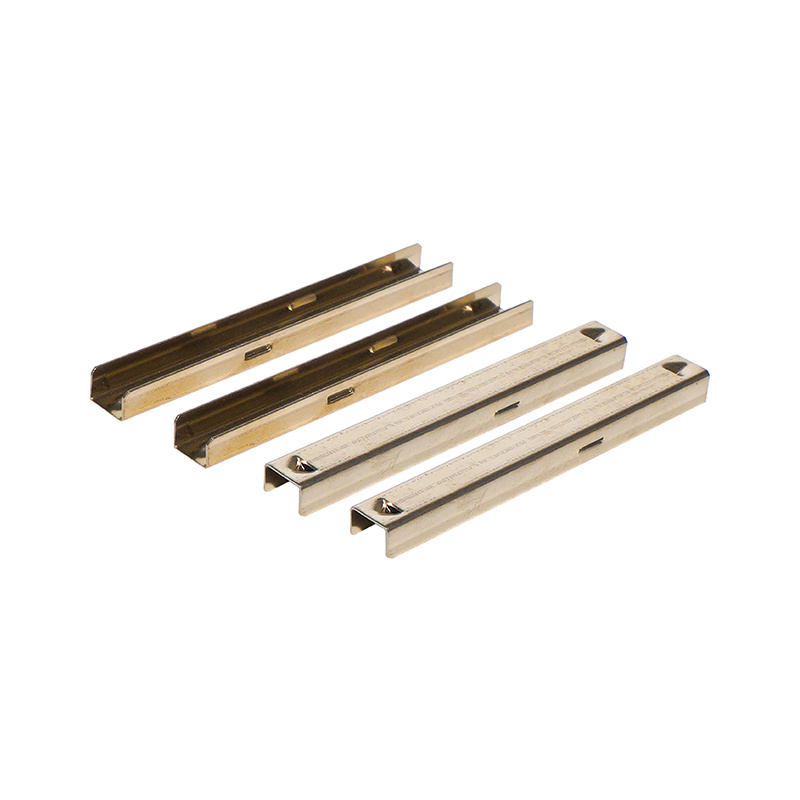
RoHS Compliance: A Competitive Edge in Metal Manufacturing
Table of Contents
- 1. Introduction to RoHS Compliance in Metal Manufacturing
- 2. Understanding RoHS: What It Is and Why It Matters
- 3. Benefits of RoHS Compliance for Metal Manufacturers
- 4. Implementing RoHS Compliance in Your Manufacturing Process
- 5. Challenges of Achieving RoHS Compliance
- 6. RoHS Compliance and the Supply Chain: A Collaborative Approach
- 7. Trends in RoHS Compliance Within the Metal Industry
- 8. Case Studies: Successful RoHS Compliance in Metal Manufacturing
- 9. Frequently Asked Questions About RoHS Compliance
- 10. Conclusion: The Future of RoHS Compliance in Metal Manufacturing
1. Introduction to RoHS Compliance in Metal Manufacturing
In today's competitive landscape, metal manufacturers face increasing pressure to produce high-quality products while adhering to rigorous environmental standards. One of the pivotal standards guiding the industry is the Restriction of Hazardous Substances (RoHS) directive. RoHS compliance is not just about meeting regulatory requirements; it represents a **competitive edge** for manufacturers committed to sustainability and product safety. This article delves into the essence of RoHS compliance within the metal manufacturing sector, revealing its significance and the path toward successful implementation.
2. Understanding RoHS: What It Is and Why It Matters
RoHS is a European Union directive that restricts the use of specific hazardous materials found in electrical and electronic equipment. Initially adopted in 2003 and updated periodically, the directive aims to reduce the environmental impact of electronic waste. The hazardous substances restricted under RoHS include:
- Lead
- Mercury
- Cadmium
- Hexavalent chromium
- Polybrominated biphenyls (PBB)
- Polybrominated diphenyl ethers (PBDE)
For metal manufacturers, understanding RoHS compliance is crucial, as it directly influences product design, material selection, and overall business strategy. Compliance not only ensures adherence to legal standards but also enhances marketability and consumer trust.
3. Benefits of RoHS Compliance for Metal Manufacturers
Complying with RoHS brings numerous advantages to metal manufacturing businesses. Here are some key benefits:
3.1 Enhanced Marketability
With consumers increasingly concerned about environmental issues, RoHS compliance can significantly bolster a manufacturer's reputation. A commitment to sustainability often translates into a **competitive advantage**, attracting eco-conscious customers.
3.2 Access to New Markets
Many regions and industries mandate RoHS compliance for market entry. By ensuring compliance, manufacturers can access broader markets, including the European Union and various global markets that prioritize environmental regulations.
3.3 Improved Product Quality
RoHS compliance encourages manufacturers to adopt safer, higher-quality materials. This improvement in product quality can lead to decreased failure rates, enhanced durability, and overall customer satisfaction.
3.4 Risk Mitigation
Non-compliance can result in severe penalties, including fines and product recalls. By adhering to RoHS standards, manufacturers can mitigate risks associated with legal issues and potential damage to their brand reputation.
3.5 Innovation and Efficiency
The pursuit of RoHS compliance often drives innovation. Manufacturers are compelled to explore alternative materials and processes, which can lead to greater operational efficiency and cost-effectiveness.
4. Implementing RoHS Compliance in Your Manufacturing Process
Achieving RoHS compliance requires a strategic approach. Here are the critical steps manufacturers should take to implement compliance effectively:
4.1 Conducting a Compliance Audit
Begin with a comprehensive audit of current processes and materials. Identify areas that require changes to meet RoHS standards.
4.2 Material Selection
Choose materials that comply with RoHS restrictions. Collaborate with suppliers to ensure that all components are free from hazardous substances.
4.3 Employee Training
Educate employees on the importance of RoHS compliance and the specific practices necessary to achieve it. A well-informed workforce is essential for effective implementation.
4.4 Documentation and Reporting
Maintain thorough documentation of compliance efforts, including materials used, testing results, and employee training records. Effective reporting is critical for demonstrating compliance to regulatory bodies.
4.5 Continuous Monitoring and Improvement
Establish a system for ongoing monitoring of compliance efforts. Regularly review processes and materials to ensure continued adherence to RoHS standards.
5. Challenges of Achieving RoHS Compliance
While the benefits of RoHS compliance are substantial, manufacturers may encounter several challenges during implementation:
5.1 Complex Supply Chains
Many metal manufacturers operate within complex supply chains involving multiple suppliers. Ensuring that all components comply with RoHS can be a daunting task, necessitating strong collaboration across the supply chain.
5.2 Evolving Regulations
RoHS regulations are subject to change, which can create uncertainty for manufacturers. Staying informed about regulatory updates and adapting to new requirements is essential.
5.3 Cost Implications
Transitioning to RoHS-compliant materials and processes can incur initial costs. Manufacturers must weigh these costs against the long-term benefits of compliance.
6. RoHS Compliance and the Supply Chain: A Collaborative Approach
Successful RoHS compliance hinges on a collaborative effort throughout the supply chain. Manufacturers must work closely with suppliers to ensure that all materials meet compliance standards. This cooperation involves:
6.1 Supplier Assessment and Selection
Evaluate suppliers based on their commitment to RoHS compliance. Choose partners who actively ensure their products are free from restricted substances.
6.2 Establishing Clear Communication
Maintain transparent communication with suppliers regarding compliance expectations. Regular updates and discussions can prevent misunderstandings and ensure alignment.
6.3 Joint Compliance Initiatives
Engage in joint initiatives with suppliers to share knowledge and best practices regarding RoHS compliance. Collaborative efforts can enhance overall supply chain efficiency.
7. Trends in RoHS Compliance Within the Metal Industry
The metal manufacturing industry is evolving, with several trends shaping RoHS compliance:
7.1 Increasing Consumer Awareness
As consumers become more environmentally conscious, the demand for RoHS-compliant products is rising. Manufacturers must adapt to this shift in consumer preferences.
7.2 Technological Advancements
Emerging technologies, such as material science innovations and advanced testing methods, are aiding manufacturers in achieving RoHS compliance more efficiently.
7.3 Regulatory Changes
Governments worldwide are tightening regulations surrounding hazardous substances. Staying ahead of these changes is crucial for manufacturers looking to maintain compliance.
8. Case Studies: Successful RoHS Compliance in Metal Manufacturing
Illustrating the success of RoHS compliance, several companies in the metal manufacturing sector have demonstrated best practices:
8.1 Company A: Leading the Charge
Company A, a prominent metal manufacturer, implemented a comprehensive compliance strategy that included regular audits, employee training, and supplier collaboration. As a result, they reduced their hazardous substance content by 30%, significantly enhancing their market reputation.
8.2 Company B: Overcoming Supply Chain Challenges
Faced with a complex supply chain, Company B adopted stringent supplier assessment protocols and established clear communication channels with their vendors. This approach led to a seamless transition to RoHS-compliant materials.
9. Frequently Asked Questions About RoHS Compliance
What is RoHS compliance, and why is it important?
RoHS compliance refers to adherence to the directive restricting hazardous substances in electronic products. It is vital for reducing environmental impact and enhancing product safety.
How can metal manufacturers achieve RoHS compliance?
Manufacturers can achieve compliance through comprehensive audits, careful material selection, employee training, thorough documentation, and continuous monitoring.
What are the penalties for non-compliance?
Non-compliance can result in fines, product recalls, and damage to brand reputation, making adherence essential for manufacturers.
Are there any exceptions to RoHS compliance?
Certain exemptions exist for specific applications, particularly in the aerospace and military sectors. However, most commercial products must comply.
How can RoHS compliance benefit my business?
RoHS compliance offers enhanced marketability, access to new markets, improved product quality, risk mitigation, and opportunities for innovation.
10. Conclusion: The Future of RoHS Compliance in Metal Manufacturing
In summary, RoHS compliance represents a significant opportunity for metal manufacturers to gain a competitive edge in a fast-evolving market. By understanding the intricacies of compliance, embracing the benefits it offers, and overcoming the associated challenges, manufacturers can position themselves as leaders in sustainability and product safety. As we move forward, the emphasis on RoHS compliance will continue to grow, shaping the metal manufacturing landscape for years to come. Investing in compliance today is not just about meeting regulations; it is about securing a sustainable future for the industry and its consumers.

Address:
NanPi County, Cangzhou City, Hebei Province
OEM
From precise design drawings, to rigorous production processes, to strict quality testing, we always uphold the spirit of ingenuity, the pursuit of every detail of the perfect. Our team has a wealth of industry experience and technical strength, according to your specific needs, to provide personalized customized services, to ensure that each product can meet your expectations.