
How to Optimize Production Processes for Stretch Expansion Stamping Parts
How to Optimize Production Processes for Stretch Expansion Stamping Parts The manufacturing industry is continually evolving, and optimizing production processes is critical for achieving efficiency, cost-effectiveness, and high-quality products. **Stretch expansion stamping parts** present unique challenges during production, and understanding how to optimize these processes can lead to significa
Aug 19,2026


How to Optimize Production Processes for Stretch Expansion Stamping Parts
The manufacturing industry is continually evolving, and optimizing production processes is critical for achieving efficiency, cost-effectiveness, and high-quality products. **Stretch expansion stamping parts** present unique challenges during production, and understanding how to optimize these processes can lead to significant improvements. In this article, we will explore various techniques, best practices, and technological advancements that can enhance the production of stretch expansion stamping parts.
Understanding Stretch Expansion Stamping Parts
Before diving into optimization strategies, it is essential to understand what stretch expansion stamping parts are and their significance in various industries.
What Are Stretch Expansion Stamping Parts?
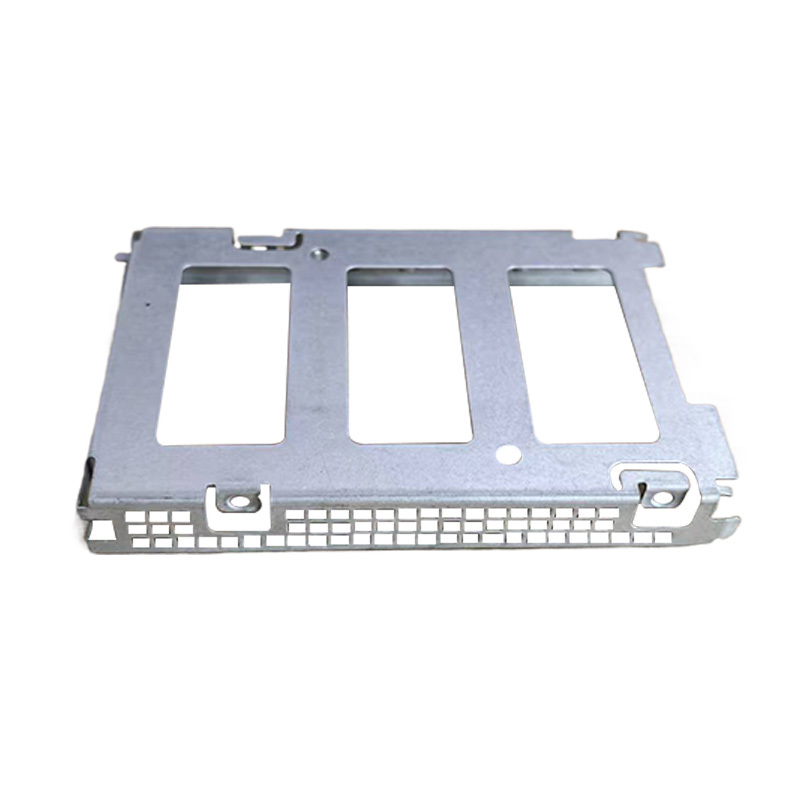
Stretch expansion stamping parts refer to components manufactured using a combination of **stretching** and **stamping** techniques. This method allows for precise shaping and forming of materials, often involving metal sheets that are stretched to achieve specific geometries. These parts are commonly used in industries such as automotive, aerospace, and electronics due to their durability and performance characteristics.
The Importance of Optimizing Production Processes
In a competitive marketplace, optimizing production processes for stretch expansion stamping parts is vital for several reasons:
1. **Cost Reduction**: Streamlining processes helps minimize waste and lower production costs.
2. **Quality Improvement**: Enhanced processes lead to better quality control, reducing defects and increasing customer satisfaction.
3. **Efficiency Gains**: Improved workflows and reduced cycle times result in faster production rates.
4. **Sustainability**: Efficient processes contribute to sustainable manufacturing practices by minimizing resource usage and waste.
Key Strategies for Optimizing Production Processes
To achieve the best results in manufacturing stretch expansion stamping parts, consider implementing the following strategies:
1. Implement Lean Manufacturing Principles
**Lean manufacturing** focuses on reducing waste while maximizing productivity. By identifying areas of waste, such as excess motion or waiting times, manufacturers can streamline processes. Key techniques include:
- **Value Stream Mapping**: Visualizing the flow of materials and information helps pinpoint inefficiencies.
- **Just-In-Time Production**: Reducing inventory levels ensures that parts are produced only as needed, lowering carrying costs.
2. Invest in Advanced Technologies
Technological advancements play a significant role in optimizing production processes. Consider incorporating:
- **Computer Numerical Control (CNC)**: CNC machines provide high precision in stamping and can adapt quickly to different part designs.
- **Automation and Robotics**: Automating repetitive tasks can enhance efficiency and accuracy, reducing human error.
3. Enhance Tooling Design
The design of tooling directly impacts the quality and efficiency of stretch expansion stamping processes. Optimize tooling by:
- **Using High-Quality Materials**: Selecting durable materials reduces wear and extends tool life.
- **Incorporating Modular Tooling**: Modular tooling allows for quick changes and adjustments, minimizing downtime.
4. Optimize Material Selection
The choice of materials can significantly influence production efficiency and part performance. Consider the following:
- **Material Properties**: Select materials that offer the right balance of strength, ductility, and formability for stretch expansion.
- **Supplier Collaboration**: Work closely with suppliers to ensure timely delivery of quality materials, reducing lead times.
Quality Control Measures in Production Processes
To ensure that stretch expansion stamping parts meet the required specifications, implementing robust quality control measures is essential.
1. In-Process Inspection
Regular inspections during the production process help catch defects early. Implementing in-process inspection methods, such as:
- **Inline Measurement Systems**: These systems provide real-time feedback on part dimensions and ensure adherence to specifications.
- **Statistical Process Control (SPC)**: Monitoring data trends helps identify variations and maintain consistent quality.
2. Final Quality Assurance
After production, conducting thorough quality assurance checks guarantees that parts meet industry standards. This includes:
- **Functional Testing**: Testing parts for their intended use ensures they perform as expected.
- **Dimensional Verification**: Using tools like coordinate measuring machines (CMM) helps verify that parts adhere to strict tolerances.
Training and Workforce Development
A skilled workforce is crucial for optimizing production processes. Invest in training programs that focus on:
1. Technical Skills Development
Provide employees with training on the latest tools and technologies to enhance their skill sets. This includes:
- **Machine Operation**: Training on CNC and automated systems ensures efficient operation.
- **Quality Control Procedures**: Teaching staff about quality standards fosters a culture of excellence.
2. Continuous Improvement Culture
Encourage a mindset of continuous improvement among employees. Implement initiatives that promote:
- **Feedback Systems**: Create channels for workers to share insights on process improvements.
- **Kaizen Events**: Regularly schedule team meetings focused on identifying and implementing small, incremental changes.
Environmental Considerations in Production Processes
Optimizing production processes also involves considering environmental impacts. Adopt sustainable practices such as:
1. Waste Reduction Initiatives
Implement strategies to minimize scrap and waste during production, including:
- **Recycling Scrap Material**: Establish programs to recycle excess materials back into the production process.
- **Optimize Cutting Patterns**: Efficient cutting patterns reduce material waste.
2. Energy Efficiency Measures
Reducing energy consumption not only lowers costs but also benefits the environment. Consider:
- **Upgrading to Energy-Efficient Equipment**: Investing in modern machinery that uses less energy can lead to significant savings.
- **Monitoring Energy Usage**: Use energy monitoring systems to identify areas for improvement.
Case Studies: Successful Optimization in Action
Examining real-world examples of companies that have successfully optimized their production processes provides valuable insights.
1. Company A: Lean Implementation
Company A, a leading manufacturer of stretch expansion stamping parts, adopted lean principles that resulted in a **30% reduction in cycle time** and a **25% decrease in production costs**. By streamlining their workflows and reducing waste, they significantly improved their bottom line.
2. Company B: Automation Success
Company B integrated robotic automation into their production line, leading to a **40% increase in output** and a **50% reduction in labor costs**. Automating repetitive tasks allowed their skilled workers to focus on more complex roles.
FAQs About Optimizing Production Processes for Stretch Expansion Stamping Parts
1. What is stretch expansion stamping?
Stretch expansion stamping is a manufacturing process that involves stretching metal sheets to create specific shapes and geometries, often used in various industries.
2. How can lean manufacturing principles improve my production processes?
Lean manufacturing helps identify and eliminate waste, streamline workflows, and enhance overall productivity, leading to lower costs and improved quality.
3. What technologies are most beneficial for optimizing stamping processes?
Advanced technologies such as CNC machines and automation can enhance precision, efficiency, and adaptability in production.
4. How important is quality control in the production of stamping parts?
Quality control is critical in ensuring that parts meet specifications and perform reliably, preventing costly defects and customer dissatisfaction.
5. What are the environmental benefits of optimizing production processes?
Optimizing production processes can lead to reduced waste, lower energy consumption, and more sustainable manufacturing practices, benefiting both the environment and the company's bottom line.
Conclusion
Optimizing production processes for stretch expansion stamping parts is a multifaceted endeavor that requires a strategic approach. By implementing lean manufacturing principles, investing in advanced technologies, enhancing tooling design, and fostering a culture of continuous improvement, manufacturers can significantly boost efficiency and quality. Moreover, incorporating sustainable practices and robust quality control measures ensures that production not only meets industry standards but also aligns with environmental considerations. As the manufacturing landscape continues to evolve, adapting to these strategies will help companies stay competitive and thrive in their industries.

Address:
NanPi County, Cangzhou City, Hebei Province
OEM
From precise design drawings, to rigorous production processes, to strict quality testing, we always uphold the spirit of ingenuity, the pursuit of every detail of the perfect. Our team has a wealth of industry experience and technical strength, according to your specific needs, to provide personalized customized services, to ensure that each product can meet your expectations.