

Stretch Expansion vs. Traditional Stamping: Which Is Best for Your Needs?
Stretch Expansion vs. Traditional Stamping: Which Is Best for Your Needs? Manufacturing processes are crucial in the production of various components used across diverse industries. Among these processes, stretch expansion and traditional stamping stand out as popular choices. Understanding the differences, advantages, and applications of each method is essential for anyone involved in manufacturi
Sep 18,2026


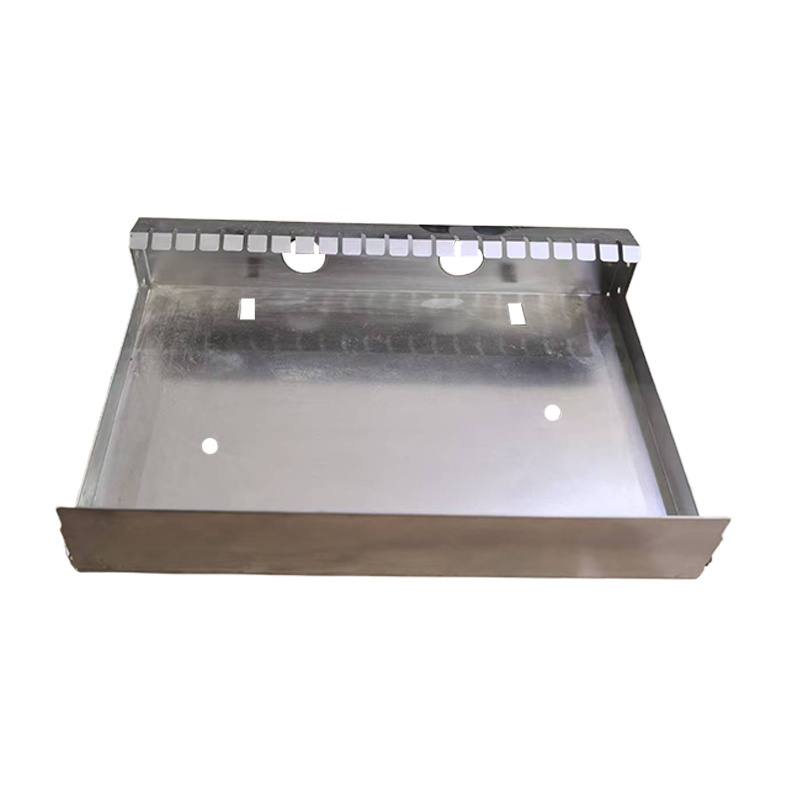
Stretch Expansion vs. Traditional Stamping: Which Is Best for Your Needs?
Manufacturing processes are crucial in the production of various components used across diverse industries. Among these processes, stretch expansion and traditional stamping stand out as popular choices. Understanding the differences, advantages, and applications of each method is essential for anyone involved in manufacturing, whether you're a business owner or an engineer. In this article, we will dive deep into these two techniques to help you determine which is best suited for your needs.
Table of Contents
1. Introduction to Manufacturing Processes
2. Understanding Stretch Expansion
2.1 What is Stretch Expansion?
2.2 Advantages of Stretch Expansion
2.3 Applications of Stretch Expansion
3. Understanding Traditional Stamping
3.1 What is Traditional Stamping?
3.2 Advantages of Traditional Stamping
3.3 Applications of Traditional Stamping
4. Key Differences Between Stretch Expansion and Traditional Stamping
5. Factors to Consider When Choosing the Right Method
6. Cost Analysis: Stretch Expansion vs. Traditional Stamping
7. Future Trends in Manufacturing Techniques
8. Frequently Asked Questions (FAQs)
9. Conclusion
1. Introduction to Manufacturing Processes
Manufacturing encompasses various processes that transform raw materials into finished products. Each technique has its advantages and limitations, making it crucial to choose the right one for specific applications. Whether you are producing automotive parts, consumer electronics, or industrial machinery, understanding the nuances of these methods can significantly impact production efficiency and product quality.
2. Understanding Stretch Expansion
2.1 What is Stretch Expansion?
Stretch expansion, often referred to as stretch forming, is a manufacturing process that involves stretching a sheet metal over a mold to achieve a desired shape. This method utilizes mechanical forces to elongate the material, allowing it to conform to complex geometries without compromising the integrity of the metal.
2.2 Advantages of Stretch Expansion
The stretch expansion process has several notable advantages:
1. **Enhanced Material Strength**: The stretching process can enhance the material's strength and ductility, making it suitable for high-stress applications.
2. **Complex Shapes**: Stretch expansion allows for the production of intricate shapes that would be difficult to achieve with traditional stamping.
3. **Minimal Waste**: This method often results in less waste material compared to other techniques, contributing to more sustainable manufacturing practices.
4. **Improved Surface Finish**: The process tends to produce a smoother surface finish, reducing the need for additional finishing processes.
2.3 Applications of Stretch Expansion
Stretch expansion is widely used in various industries, including:
- **Aerospace**: Producing lightweight components that can withstand extreme conditions.
- **Automotive**: Creating body panels and structural components with complex geometries.
- **Consumer Electronics**: Manufacturing housings and brackets that require precise shapes.
3. Understanding Traditional Stamping
3.1 What is Traditional Stamping?
Traditional stamping involves shaping metal sheets using a die and press. The process typically includes cutting, bending, and forming metal into the desired shapes. This technique is widely recognized for its efficiency and high-volume production capabilities.
3.2 Advantages of Traditional Stamping
The benefits of traditional stamping include:
1. **High Production Rates**: Stamping can produce large quantities of parts in a relatively short time frame, making it ideal for mass production.
2. **Cost-Effectiveness**: With lower labor costs and minimal material waste, traditional stamping is often more economical than other methods.
3. **Consistency and Precision**: The process ensures high levels of dimensional accuracy and repeatability.
3.3 Applications of Traditional Stamping
Traditional stamping is commonly used in various sectors, including:
- **Automotive**: Manufacturing components such as brackets, frames, and body panels.
- **Appliances**: Producing parts for washing machines, refrigerators, and other home appliances.
- **Electronics**: Creating housings and connectors for various electronic devices.
4. Key Differences Between Stretch Expansion and Traditional Stamping
While both stretch expansion and traditional stamping are popular manufacturing methods, they differ in several key aspects:
- **Process Mechanics**: Stretch expansion involves stretching the metal, while stamping utilizes cutting and forming techniques.
- **Material Properties**: Stretch expansion can enhance material strength and ductility, whereas traditional stamping focuses more on precision and repeatability.
- **Complexity of Shapes**: Stretch expansion excels at creating intricate designs, while stamping is best for simpler, high-volume parts.
- **Production Speed**: Traditional stamping generally offers faster production rates, making it more suitable for large-scale manufacturing.
5. Factors to Consider When Choosing the Right Method
Selecting between stretch expansion and traditional stamping depends on various factors:
1. **Production Volume**: For high-volume production, traditional stamping may be more efficient, while stretch expansion is better for lower volumes with complex shapes.
2. **Design Complexity**: If the component requires intricate detailing, stretch expansion could be the optimal choice.
3. **Material Specifications**: Different materials behave differently under each method, so consider the specific properties required for your application.
4. **Cost Constraints**: Evaluate the budget for both tooling and production costs to determine the most cost-effective method for your project.
6. Cost Analysis: Stretch Expansion vs. Traditional Stamping
When analyzing costs, it is essential to consider both upfront and long-term expenses:
- **Tooling Costs**: Traditional stamping often requires significant investment in dies and equipment, while stretch expansion may have lower initial tooling costs but can be more labor-intensive.
- **Material Costs**: Stretch expansion may lead to less waste, potentially offsetting some initial costs.
- **Labor Costs**: Stamping can often be automated, reducing labor costs, whereas stretch expansion may require skilled labor for precision work.
7. Future Trends in Manufacturing Techniques
The landscape of manufacturing is constantly evolving, with advancements in technology leading to new methods and improvements. Key trends include:
- **Automation and Robotics**: Increased automation in traditional stamping processes can enhance efficiency and reduce labor costs.
- **Sustainable Practices**: Both methods are adopting greener practices, focusing on reducing waste and energy consumption.
- **Advanced Materials**: The introduction of new materials may lead to innovative applications for both stretch expansion and traditional stamping.
8. Frequently Asked Questions (FAQs)
1. What is the primary difference between stretch expansion and traditional stamping?
The primary difference lies in their mechanics and capabilities: stretch expansion stretches the metal to create complex shapes, while traditional stamping cuts and forms metal using dies.
2. Which method is more cost-effective for high-volume production?
Traditional stamping is generally more cost-effective for high-volume production due to its efficiency and lower material waste.
3. Can stretch expansion be automated?
While it can be automated to some extent, stretch expansion typically requires skilled labor for precision, making it less ideal for complete automation compared to traditional stamping.
4. What industries primarily use stretch expansion?
Stretch expansion is commonly used in aerospace, automotive, and consumer electronics industries for producing lightweight and complex components.
5. How do I choose the best method for my project?
Consider factors such as production volume, design complexity, material specifications, and budget constraints when choosing between stretch expansion and traditional stamping.
9. Conclusion
In the debate of stretch expansion versus traditional stamping, the best choice ultimately depends on your specific manufacturing needs. Each method has distinct advantages and applications that make it suitable for various projects. By carefully evaluating your requirements—considering factors like production scale, design complexity, and cost—you can make a well-informed decision that meets your operational goals. As manufacturing technologies continue to advance, staying informed about these methods will empower you to adapt and thrive in a competitive landscape.
Previous:

Address:
NanPi County, Cangzhou City, Hebei Province
OEM
From precise design drawings, to rigorous production processes, to strict quality testing, we always uphold the spirit of ingenuity, the pursuit of every detail of the perfect. Our team has a wealth of industry experience and technical strength, according to your specific needs, to provide personalized customized services, to ensure that each product can meet your expectations.