

The Future of Manufacturing: Unveiling Breakthroughs in CNC Milling and Turning Technology
The Future of Manufacturing: Unveiling Breakthroughs in CNC Milling and Turning Technology Table of Contents 1. Introduction to CNC Technology in Modern Manufacturing 2. Understanding CNC Milling Technology 3. The Role of CNC Turning Technology 4. Advantages of CNC Milling and Turning 5. Latest Advancements in CNC Technology 6. The Impact of Automation and AI on CNC Proces
Oct 27,2025


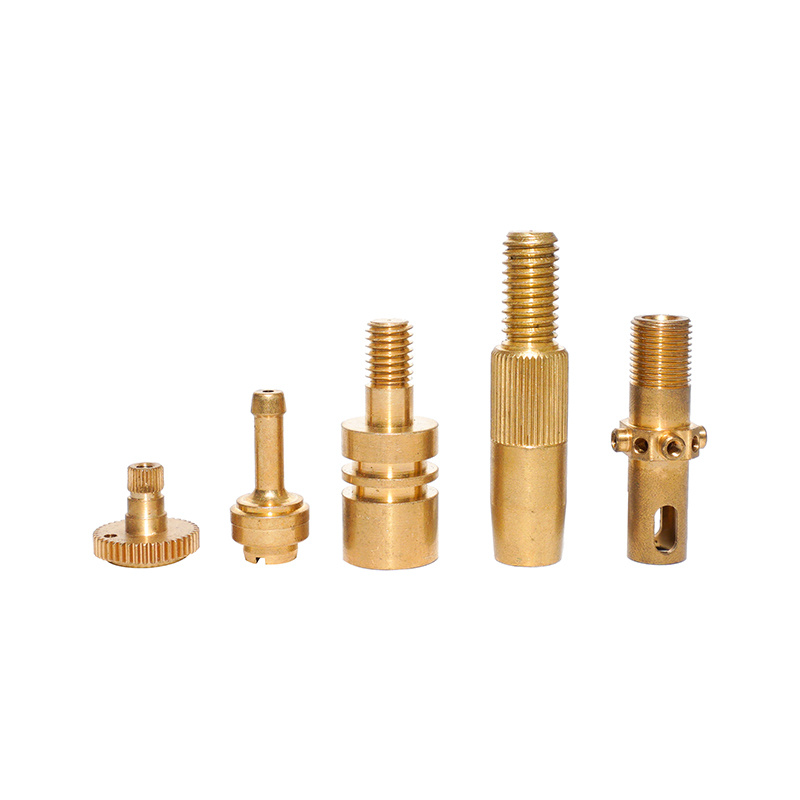
The Future of Manufacturing: Unveiling Breakthroughs in CNC Milling and Turning Technology
Table of Contents
- 1. Introduction to CNC Technology in Modern Manufacturing
- 2. Understanding CNC Milling Technology
- 3. The Role of CNC Turning Technology
- 4. Advantages of CNC Milling and Turning
- 5. Latest Advancements in CNC Technology
- 6. The Impact of Automation and AI on CNC Processes
- 7. Future Trends in CNC Machining
- 8. Applications of CNC Milling and Turning in Various Industries
- 9. Challenges Facing CNC Technology in Manufacturing
- 10. Conclusion
- 11. FAQs
1. Introduction to CNC Technology in Modern Manufacturing
In recent years, the manufacturing landscape has experienced revolutionary changes, largely driven by **CNC (Computer Numerical Control)** technology. This innovation has transformed traditional machining processes, offering unparalleled precision and efficiency. CNC milling and turning are at the forefront of this transformation, enabling manufacturers to achieve higher production rates while maintaining quality and accuracy. This article examines the latest advancements in these technologies and their implications for the future of manufacturing.
2. Understanding CNC Milling Technology
CNC milling involves the use of computer-controlled machines to remove material from a workpiece to create complex shapes and features. This process utilizes rotating cutting tools and can handle a variety of materials, including metals, plastics, and composites. CNC milling machines are equipped with multiple axes, allowing for intricate designs and precise machining capabilities.
How CNC Milling Works
CNC milling machines operate by interpreting a computer program that dictates the movements of the cutting tools. The **G-code** commands direct the machine to execute specific actions such as moving the cutting tool in various directions, adjusting speeds, and altering feed rates. This level of automation minimizes human error and enhances production efficiency.
Applications of CNC Milling
CNC milling is widely used across various industries, including aerospace, automotive, and medical device manufacturing. Components such as gears, brackets, and housings are often produced using CNC milling, highlighting its versatility and precision.
3. The Role of CNC Turning Technology
CNC turning is another critical process in modern manufacturing, primarily used to create cylindrical parts. It involves rotating a workpiece against a stationary cutting tool, shaping the material into desired dimensions. CNC lathes are the machines used for this process, and they can produce items ranging from simple rods to complex components.
Mechanics of CNC Turning
Similar to CNC milling, CNC turning machines are programmed using G-code, which instructs the lathe on how to move the cutting tool along the workpiece. The precision of CNC turning allows for a high degree of accuracy in producing parts with tight tolerances.
Industries Benefiting from CNC Turning
CNC turning technology is crucial in industries such as oil and gas, telecommunications, and manufacturing of consumer goods. Components like shafts, fittings, and bushings are commonly produced using CNC turning machines.
4. Advantages of CNC Milling and Turning
The adoption of CNC milling and turning technologies offers numerous advantages for manufacturers. These benefits include:
Enhanced Precision and Accuracy
CNC machining provides exceptionally tight tolerances, reducing the chances of errors. This capability ensures that every piece produced is uniform and meets stringent quality standards.
Increased Efficiency and Productivity
The automated nature of CNC machines allows for faster production rates compared to manual machining methods. This efficiency translates into reduced lead times and lower operational costs.
Flexibility and Versatility
CNC machines can easily switch between different tasks and materials, making them highly adaptable to changing production needs. This flexibility helps manufacturers respond to market demands swiftly.
5. Latest Advancements in CNC Technology
The manufacturing sector is witnessing rapid advancements in CNC technology, driven by innovations in hardware and software.
High-Speed Machining
High-speed machining (HSM) allows for faster cutting speeds and reduced cycle times. This advancement enhances productivity while maintaining the quality of finished products.
5-Axis Machining
5-axis CNC machines allow for more complex geometries to be machined in a single setup, reducing the need for multiple operations and improving precision.
Cloud-Based CNC Systems
Cloud computing is revolutionizing CNC programming. With cloud-based systems, manufacturers can access and manage their CNC machines remotely, optimizing operations and facilitating real-time monitoring.
6. The Impact of Automation and AI on CNC Processes
The integration of automation and artificial intelligence (AI) is transforming CNC machining. Automating repetitive tasks not only enhances productivity but also reduces the risk of human error. AI algorithms can analyze data from CNC machines to predict maintenance needs and optimize production processes.
7. Future Trends in CNC Machining
As we look to the future, several trends are shaping the landscape of CNC machining:
Customization and Personalization
The demand for customized products is rising, and CNC technology is well-positioned to meet this need. Advanced CNC machines will allow manufacturers to produce bespoke items efficiently.
Sustainability Initiatives
Manufacturers are increasingly focusing on sustainability. CNC technology can support this shift by reducing waste through efficient material use and energy consumption.
8. Applications of CNC Milling and Turning in Various Industries
CNC milling and turning are integral to multiple sectors, driving innovation and efficiency.
Aerospace Industry
In aerospace, precision components are critical. CNC machining is used to create intricate parts that meet high safety and performance standards.
Medical Devices
The medical industry relies on CNC technology for producing surgical instruments and implants, where precision is paramount.
Automotive Manufacturing
CNC machines are used extensively in automotive manufacturing for producing everything from engine components to interior fittings.
9. Challenges Facing CNC Technology in Manufacturing
Despite its advantages, CNC technology is not without challenges. Some key issues include:
High Initial Costs
Investing in CNC machinery can be expensive, which may deter small businesses from adopting these technologies.
Skill Gaps
There is a growing need for skilled operators who can program and maintain CNC machines. Bridging this skill gap is essential for maximizing the benefits of CNC technology.
10. Conclusion
CNC milling and turning technologies are at the forefront of the manufacturing revolution. With their ability to enhance precision, efficiency, and flexibility, these methods are shaping the future of production processes. The continuous advancements in CNC technology, coupled with the integration of automation and AI, promise to redefine manufacturing norms. As industries evolve, staying informed about these trends will be crucial for businesses aiming to maintain a competitive edge.
11. FAQs
1. What is CNC machining?
CNC machining refers to the process of using computer-controlled machines to remove material from a workpiece to create specific shapes and sizes.
2. How does CNC milling differ from CNC turning?
CNC milling involves rotating cutting tools to remove material, while CNC turning involves rotating the workpiece against a fixed cutting tool to create cylindrical shapes.
3. What industries use CNC milling and turning?
CNC milling and turning are utilized in various industries, including aerospace, automotive, medical devices, and consumer goods.
4. What are the benefits of using CNC technology?
CNC technology offers enhanced precision, increased efficiency, versatility, and the ability to produce complex designs with reduced lead times.
5. What future trends should manufacturers watch for in CNC technology?
Manufacturers should be aware of trends such as increased customization, sustainability initiatives, and the integration of AI and automation in CNC processes.

Address:
NanPi County, Cangzhou City, Hebei Province
OEM
From precise design drawings, to rigorous production processes, to strict quality testing, we always uphold the spirit of ingenuity, the pursuit of every detail of the perfect. Our team has a wealth of industry experience and technical strength, according to your specific needs, to provide personalized customized services, to ensure that each product can meet your expectations.