

CNC Milling and Turning: Tailored Solutions for Complex Engineering Challenges
CNC Milling and Turning: Tailored Solutions for Complex Engineering Challenges Table of Contents 1. Introduction to CNC Milling and Turning 2. Understanding CNC Machining 3. Benefits of CNC Milling and Turning 4. The CNC Milling Process 5. The CNC Turning Process 6. Applications of CNC Machining in Various Industries 7. Custom Solutions for Complex Engineering Challenges 8. The Future of CNC Mach
Nov 16,2025


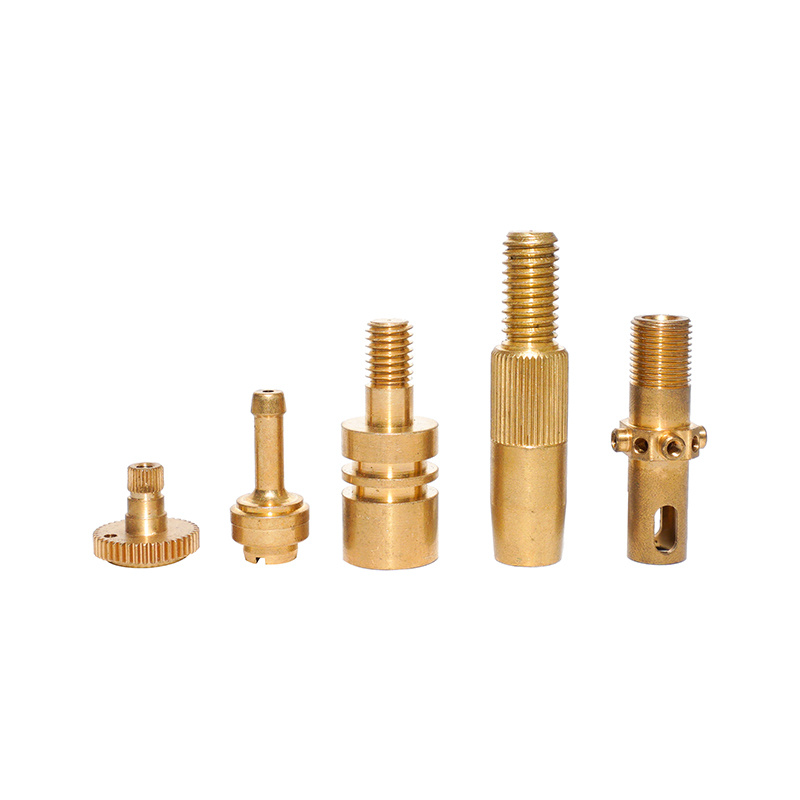
CNC Milling and Turning: Tailored Solutions for Complex Engineering Challenges
Table of Contents
- 1. Introduction to CNC Milling and Turning
- 2. Understanding CNC Machining
- 3. Benefits of CNC Milling and Turning
- 4. The CNC Milling Process
- 5. The CNC Turning Process
- 6. Applications of CNC Machining in Various Industries
- 7. Custom Solutions for Complex Engineering Challenges
- 8. The Future of CNC Machining Technologies
- 9. Frequently Asked Questions
- 10. Conclusion
1. Introduction to CNC Milling and Turning
In the realm of modern manufacturing, **CNC milling and turning** have emerged as essential processes that address a myriad of engineering challenges. These techniques utilize computer numerical control (CNC) to perform precise machining tasks, resulting in high-quality parts with intricate geometries. Industries ranging from aerospace to automotive rely on these processes to deliver custom solutions that meet their unique specifications and standards.
2. Understanding CNC Machining
CNC machining refers to a manufacturing process that utilizes pre-programmed computer software to control the movement of machinery and tools. This technology allows for the creation of parts with high precision and complexity, offering several advantages over traditional machining methods. CNC milling and turning are two primary applications of this technology, each serving distinct roles in the manufacturing workflow.
2.1 CNC Milling
CNC milling involves the use of rotary cutters to remove material from a stationary workpiece. The process can produce a variety of shapes, from simple to complex, and is ideal for creating flat surfaces, pockets, and contoured profiles.
2.2 CNC Turning
On the other hand, CNC turning is used to manufacture cylindrical parts by rotating the workpiece against a cutting tool. This method is particularly effective for producing parts with symmetrical shapes, such as shafts and fittings.
3. Benefits of CNC Milling and Turning
The advantages of employing CNC milling and turning in production processes are plentiful. Below are key benefits that make these methods indispensable in today's competitive landscape.
3.1 High Precision and Accuracy
One of the foremost benefits of CNC machining is its ability to produce parts with **unmatched precision**. The computer-controlled machinery can execute complex movements and maintain tolerances that are often unattainable through manual methods.
3.2 Increased Efficiency and Speed
CNC milling and turning significantly reduce the time required to produce parts. With automated processes, manufacturers can achieve higher output rates while minimizing human intervention.
3.3 Versatility in Material Selection
These machining processes can work with a wide range of materials, including metals, plastics, and composites. This versatility enables manufacturers to experiment with different material properties to meet specific application requirements.
3.4 Improved Safety
By automating machining processes, CNC technology minimizes the risk of workplace accidents associated with manual machining. This enhancement in safety is critical for maintaining a productive and secure work environment.
3.5 Cost-Effective Production
While the initial investment in CNC machinery may be substantial, the long-term cost savings are significant. The reduction in labor costs, material waste, and production time leads to a more economical manufacturing process.
4. The CNC Milling Process
The CNC milling process is intricate and involves multiple stages to ensure the production of high-quality components. Understanding the workflow can help engineers and manufacturers optimize their operations.
4.1 Design and Programming
The process begins with the design phase, where engineers create 3D models of the desired components using CAD (Computer-Aided Design) software. The next stage involves programming the CNC machine using CAM (Computer-Aided Manufacturing) software, which translates the CAD model into machine instructions.
4.2 Setup and Tool Selection
Once the design and programming are complete, the CNC machine is set up. This includes installing the appropriate tools and fixtures to secure the workpiece. Tool selection is critical, as different tools are required for various materials and shapes.
4.3 Machining Operations
With the machine set up, the actual milling operations commence. The CNC machine executes the programmed instructions, utilizing various milling techniques such as face milling, end milling, and contour milling to shape the workpiece.
4.4 Quality Assurance and Finishing
Once the milling process is complete, parts undergo quality assurance checks to ensure they meet specifications. Any necessary finishing processes, such as polishing or coating, are performed to enhance the final product's properties.
5. The CNC Turning Process
The CNC turning process is equally complex, with its own unique set of steps designed to produce cylindrical components effectively.
5.1 Design and Programming
Similar to milling, CNC turning begins with the design and programming stages. Engineers develop precise models, and the CNC machine is programmed to execute the necessary turning operations.
5.2 Workpiece Setup and Tooling
Setting up the turning machine involves securing the workpiece in a chuck and selecting the right cutting tools. Proper tooling is vital for achieving smooth finishes and maintaining tolerances.
5.3 Turning Operations
During the turning operations, the workpiece is rotated while a stationary cutting tool removes material. Various techniques, including facing, turning, and threading, are applied to produce the desired shape and features.
5.4 Inspection and Finalization
Final inspection ensures that each component adheres to quality standards. Any finishing touches required to meet functional or aesthetic requirements are applied before the parts are delivered.
6. Applications of CNC Machining in Various Industries
The versatility of CNC milling and turning allows them to serve a broad range of industries, each with unique requirements.
6.1 Aerospace Industry
In aerospace, CNC machining is used to create intricate components with strict tolerances. Parts such as brackets, housings, and even engine components are produced using advanced CNC techniques.
6.2 Automotive Industry
The automotive sector relies on CNC machining for producing parts such as gears, shafts, and fittings. The **ability to manufacture components with high precision** is crucial for vehicle performance and safety.
6.3 Medical Device Manufacturing
CNC technology is invaluable in the production of medical devices. Components such as surgical instruments and implants require precision and reliability, making CNC machining essential.
6.4 Consumer Electronics
From smartphones to laptops, consumer electronics manufacturers use CNC milling and turning to create casings and internal components that require detailed specifications.
6.5 Industrial Equipment
CNC machining is also pivotal in manufacturing machinery and industrial equipment. Parts such as housings and fittings are crafted to withstand rigorous operational demands.
7. Custom Solutions for Complex Engineering Challenges
CNC milling and turning provide tailored solutions for addressing intricate engineering challenges. The ability to produce components with high levels of customization is a significant advantage.
7.1 Customized Part Design
Engineers can leverage CNC technology to create parts designed specifically to meet unique applications. This customization helps optimize performance in various conditions.
7.2 Rapid Prototyping
The speed of CNC machining allows for **rapid prototyping**, enabling manufacturers to test designs efficiently. This process accelerates product development cycles and leads to faster time-to-market.
7.3 Flexibility in Production Runs
CNC machining can accommodate both short and long production runs, making it adaptable to changing market demands. This flexibility ensures that manufacturers can respond quickly to shifts in consumer preferences.
7.4 Integration of Advanced Technologies
The integration of IoT and AI technologies into CNC machining enhances capabilities. Smart machines can optimize processes in real-time, further improving efficiency and precision.
8. The Future of CNC Machining Technologies
As technology continues to evolve, so does the landscape of CNC machining. The future promises exciting advancements that will further refine these processes.
8.1 Automation and Robotics
The integration of robotics into CNC machining will enhance automation levels, leading to increased productivity and reduced production costs. Automated systems are poised to take on more complex tasks, pushing the boundaries of manufacturing.
8.2 Additive Manufacturing Integration
The combination of CNC machining with additive manufacturing (3D printing) is set to revolutionize the production of complex parts. This hybrid approach allows for greater design flexibility and material utilization.
8.3 Cloud Computing and Data Analytics
Cloud technology will enable manufacturers to optimize their CNC operations through real-time data analytics. This capability will allow for smarter decision-making and predictive maintenance, resulting in better machine uptime.
8.4 Sustainability and Eco-friendly Practices
As sustainability becomes a critical concern, CNC machining processes are evolving to incorporate eco-friendly practices. This shift includes reducing material waste and utilizing sustainable materials in production.
9. Frequently Asked Questions
9.1 What is the main difference between CNC milling and CNC turning?
CNC milling involves the removal of material from a stationary workpiece using rotating cutters, while CNC turning rotates the workpiece against a stationary cutting tool to shape cylindrical parts.
9.2 What materials can be machined using CNC technology?
CNC machines can work with various materials, including metals (aluminum, steel), plastics, and composites, making them versatile for different applications.
9.3 How does CNC machining contribute to precision engineering?
CNC machining provides high levels of precision and accuracy, allowing manufacturers to produce complex components that meet tight tolerances essential for engineering applications.
9.4 Can CNC machining be used for low-volume production runs?
Yes, CNC machining is adaptable for both low and high-volume production runs, making it suitable for a range of manufacturing needs.
9.5 What are the advantages of using CNC machining over traditional methods?
CNC machining offers precision, speed, versatility, improved safety, and cost-effectiveness, making it a preferred choice for modern manufacturing processes.
10. Conclusion
CNC milling and turning represent the pinnacle of precision machining technology, offering custom solutions that effectively address complex engineering challenges. This article explores the advantages, processes, and applications of CNC machining, highlighting its critical role in various industries. As technology continues to advance, the future of CNC machining looks promising, with innovations poised to further enhance efficiency and precision. By leveraging these capabilities, manufacturers can overcome engineering challenges and meet the ever-evolving demands of the marketplace.

Address:
NanPi County, Cangzhou City, Hebei Province
OEM
From precise design drawings, to rigorous production processes, to strict quality testing, we always uphold the spirit of ingenuity, the pursuit of every detail of the perfect. Our team has a wealth of industry experience and technical strength, according to your specific needs, to provide personalized customized services, to ensure that each product can meet your expectations.