

Stretch Expansion Stamping Parts: A Revolutionary Advancement in Manufacturing
Stretch Expansion Stamping Parts: A Game Changer for the Industry Table of Contents 1. Introduction to Stretch Expansion Stamping Parts 2. What is Stretch Expansion Stamping? 3. Advantages of Stretch Expansion Stamping Parts 4. Applications of Stretch Expansion Stamping Parts in Various Industries 5. The Manufacturing Process of Stretch Expansion Stamping Parts 6. Material
Nov 19,2025


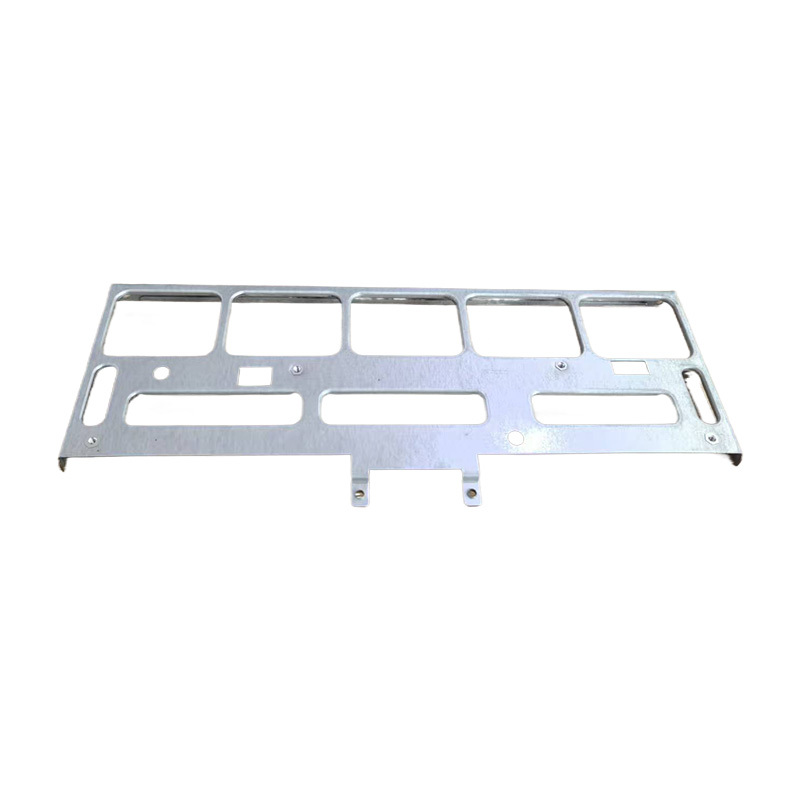
Stretch Expansion Stamping Parts: A Game Changer for the Industry
Table of Contents
- 1. Introduction to Stretch Expansion Stamping Parts
- 2. What is Stretch Expansion Stamping?
- 3. Advantages of Stretch Expansion Stamping Parts
- 4. Applications of Stretch Expansion Stamping Parts in Various Industries
- 5. The Manufacturing Process of Stretch Expansion Stamping Parts
- 6. Materials Used in Stretch Expansion Stamping
- 7. Quality Control and Testing of Stretch Expansion Stamping Parts
- 8. Future Trends in Stretch Expansion Stamping Technology
- 9. Frequently Asked Questions (FAQs)
1. Introduction to Stretch Expansion Stamping Parts
In the evolving landscape of manufacturing, **stretch expansion stamping parts** have emerged as a pivotal innovation. This technology has redefined how components are produced, enabling manufacturers to create parts with greater precision, efficiency, and strength. As industries seek to enhance production capabilities while minimizing costs, understanding the intricacies of this process becomes essential.
2. What is Stretch Expansion Stamping?
Stretch expansion stamping is a specialized manufacturing technique that combines traditional stamping processes with enhanced material manipulation. This method involves stretching sheet metal beyond its yield point, creating components that boast enhanced mechanical properties. The process is characterized by its ability to produce complex shapes that are both lightweight and durable, making it ideal for various applications.
How Does Stretch Expansion Stamping Work?
The core of stretch expansion stamping lies in its unique approach to material deformation. Unlike conventional stamping, which may result in residual stresses, stretch expansion stamping ensures that the material is uniformly tensioned. This results in parts that not only meet stringent specifications but also exhibit improved resistance to fatigue and wear.
3. Advantages of Stretch Expansion Stamping Parts
The advantages of implementing stretch expansion stamping in manufacturing are numerous:
Enhanced Strength and Durability
Parts produced through this process have superior mechanical properties, which contribute to their longevity and reliability under varying conditions.
Weight Reduction
With the ability to create complex geometries, manufacturers can produce lighter components without compromising strength, which is particularly beneficial in industries such as automotive and aerospace.
Cost-Efficiency
By minimizing material waste and reducing the number of manufacturing steps, companies can significantly lower production costs. This efficiency translates into competitive pricing for end products.
Customization and Flexibility
The stretch expansion stamping process allows for a high degree of customization, enabling manufacturers to tailor parts to specific requirements without extensive retooling.
4. Applications of Stretch Expansion Stamping Parts in Various Industries
Stretch expansion stamping parts find applications in a wide range of industries:
Aerospace Industry
In aerospace, lightweight yet strong components are crucial. Stretch expansion stamping allows for the manufacture of parts such as brackets, housing, and structural elements that meet stringent safety regulations.
Automotive Industry
The automotive sector benefits from this technology by producing parts that contribute to fuel efficiency and overall vehicle performance. Components like chassis parts, suspension components, and engine brackets are commonly manufactured using stretch expansion stamping.
Electronics Industry
In electronics, precision is paramount. Stretch expansion stamping is utilized to create enclosures and connectors that require strict tolerances and durability against environmental factors.
Medical Devices
Medical device manufacturing often demands high precision and reliability. Stretch expansion stamping enables the production of surgical instruments and device housings that meet regulatory standards.
5. The Manufacturing Process of Stretch Expansion Stamping Parts
Understanding the manufacturing process is vital for grasping the capabilities of stretch expansion stamping. The process typically involves several key steps:
1. Material Selection
Choosing the appropriate material is crucial, as it influences the final product's properties. Common materials include stainless steel, aluminum, and specialized alloys.
2. Initial Stamping
The process begins with conventional stamping techniques to create a blank part from the selected material.
3. Stretching
The blank is then subjected to stretching using specialized equipment. This step is critical as it determines the part's final dimensions and properties.
4. Finishing
Post-stretching, parts may undergo additional processes such as deburring, polishing, or coating to enhance performance and aesthetics.
5. Quality Assurance
Final inspection includes rigorous testing to ensure that parts meet specified criteria and industry standards.
6. Materials Used in Stretch Expansion Stamping
The choice of material significantly influences the performance of stretch expansion stamping parts. Some of the commonly used materials include:
Stainless Steel
Renowned for its corrosion resistance and strength, stainless steel is a favorite in various applications, especially in environments where durability is critical.
Aluminum Alloys
Aluminum is favored for its lightweight properties, making it ideal for aerospace and automotive applications where reducing weight is essential.
High-Strength Steel
Utilizing high-strength steel allows manufacturers to create robust components without the need for excessive material, further enhancing the efficiency of the process.
7. Quality Control and Testing of Stretch Expansion Stamping Parts
Ensuring the quality of stretch expansion stamping parts is non-negotiable. Rigorous quality control processes are implemented, including:
Dimensional Inspection
Parts undergo dimensional checks to confirm adherence to specified tolerances.
Material Testing
Testing for tensile strength, fatigue resistance, and corrosion resistance ensures that the materials used meet industry standards.
Functional Testing
In applications where performance is critical, functional tests are conducted to evaluate the part's suitability for its intended use.
8. Future Trends in Stretch Expansion Stamping Technology
As technology advances, so do the methods and applications of stretch expansion stamping. Future trends may include:
Integration with Automation
Increased automation in the manufacturing process can enhance efficiency and accuracy, allowing for real-time adjustments during production.
Advanced Materials Development
Ongoing research into new materials can further improve the properties of stamped parts, expanding the range of applications and performance characteristics.
Sustainability Practices
With a growing emphasis on sustainability, manufacturers are exploring ways to minimize waste and energy consumption in the stretch expansion stamping process.
9. Frequently Asked Questions (FAQs)
What are stretch expansion stamping parts used for?
Stretch expansion stamping parts are utilized in various industries, including aerospace, automotive, electronics, and medical devices, for manufacturing components that require precision and strength.
How does stretch expansion stamping compare to traditional stamping?
Unlike traditional stamping, which can leave residual stresses in the material, stretch expansion stamping ensures uniform material tension, resulting in stronger and more durable parts.
What materials are best suited for stretch expansion stamping?
Common materials include stainless steel, aluminum alloys, and high-strength steel, each selected based on the specific requirements of the application.
What are the quality control measures for stretch expansion stamping parts?
Quality control measures include dimensional inspections, material testing for strength and corrosion resistance, and functional testing to ensure parts meet industry standards.
What is the future of stretch expansion stamping technology?
The future of stretch expansion stamping technology includes advancements in automation, the development of new materials, and a focus on sustainable manufacturing practices.
Conclusion
Stretch expansion stamping parts represent a significant advancement in manufacturing technology, offering a multitude of benefits across various industries. By understanding the process, advantages, and applications of this innovative method, manufacturers can harness its potential to produce high-quality, durable components. As we move toward a more automated and sustainable future, stretch expansion stamping will undoubtedly play a crucial role in shaping the next generation of manufactured goods.
The next one:

Address:
NanPi County, Cangzhou City, Hebei Province
OEM
From precise design drawings, to rigorous production processes, to strict quality testing, we always uphold the spirit of ingenuity, the pursuit of every detail of the perfect. Our team has a wealth of industry experience and technical strength, according to your specific needs, to provide personalized customized services, to ensure that each product can meet your expectations.