

Maximizing Efficiency with High Precision Stamping Parts in Production
Maximizing Efficiency with High Precision Stamping Parts in Production Table of Contents 1. Introduction to High Precision Stamping Parts 2. Benefits of High Precision Stamping in Manufacturing 3. The Stamping Process Explained 4. Advanced Technologies in Stamping 5. Selecting the Right Materials for Stamping Parts 6. Ensuring Quality Control in Stamping Operations 7.
Dec 22,2025


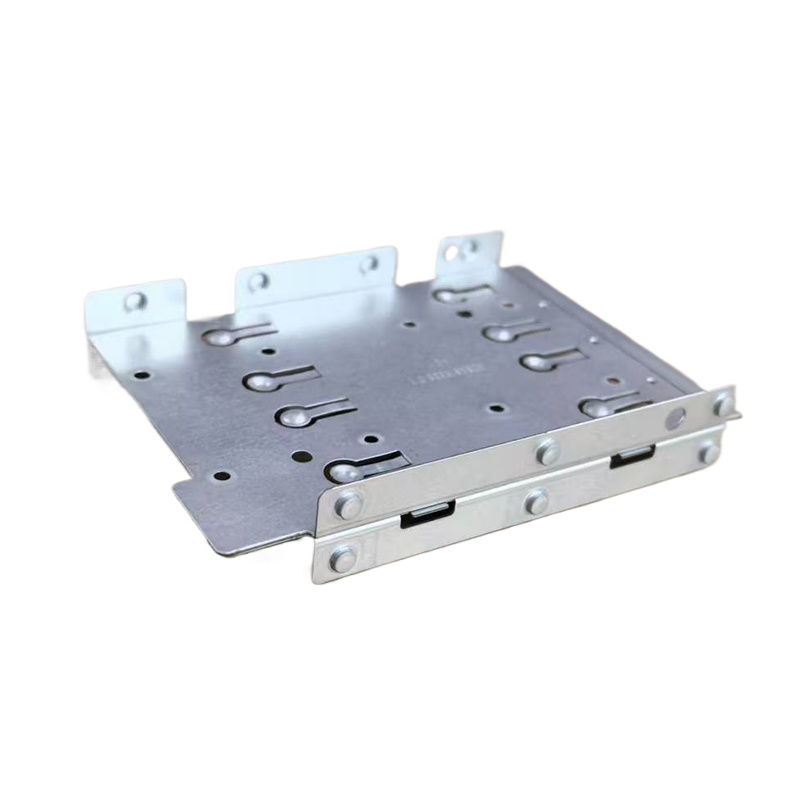
Maximizing Efficiency with High Precision Stamping Parts in Production
Table of Contents
- 1. Introduction to High Precision Stamping Parts
- 2. Benefits of High Precision Stamping in Manufacturing
- 3. The Stamping Process Explained
- 4. Advanced Technologies in Stamping
- 5. Selecting the Right Materials for Stamping Parts
- 6. Ensuring Quality Control in Stamping Operations
- 7. Applications of High Precision Stamping Parts
- 8. The Future of High Precision Stamping in Manufacturing
- 9. Frequently Asked Questions
- 10. Conclusion
1. Introduction to High Precision Stamping Parts
High precision stamping parts have emerged as a cornerstone of modern manufacturing. This process involves shaping metal sheets into desired forms with exceptional accuracy and speed. The efficiency of production relies heavily on the precision of stamping, which allows manufacturers to produce complex shapes and designs that meet stringent quality standards. In this article, we will explore how high precision stamping can maximize efficiency in production settings, providing insights into processes, technologies, and applications.
2. Benefits of High Precision Stamping in Manufacturing
Understanding the benefits of high precision stamping is crucial for any manufacturer looking to enhance their production capabilities. Here are some key advantages:
Cost Savings
Investing in high precision stamping can lead to significant cost savings. By minimizing material waste and reducing the need for secondary operations, manufacturers can streamline their production lines and cut costs effectively.
Increased Production Speed
High precision stamping allows for rapid production cycles. The ability to produce multiple parts simultaneously not only speeds up the manufacturing process but also meets market demands more efficiently.
Enhanced Product Quality
With advanced tooling and technology, high precision stamping produces parts with tighter tolerances and fewer defects. This ensures that the final products meet high-quality standards and enhance customer satisfaction.
Flexibility in Design
Manufacturers can achieve complex geometries and intricate designs using high precision stamping. This flexibility allows for innovation and customization to cater to specific customer needs.
Improved Safety
Automated stamping processes reduce the need for manual labor, decreasing the risk of workplace injuries. High precision stamping machines are designed with safety features that protect operators while maintaining productivity.
3. The Stamping Process Explained
The stamping process consists of various stages that contribute to producing high-quality parts. Understanding these steps is essential for maximizing efficiency.
Material Preparation
The process begins with preparing the metal sheets. Selecting the right thickness and type of material is crucial for achieving desired results. Common materials include aluminum, steel, and brass.
Tooling Setup
Tooling refers to the dies and molds used in stamping. Proper setup and alignment of tooling are vital for ensuring accuracy and consistency in the final products.
Stamping Operation
During this stage, the metal sheets are fed into the stamping press. The pressure applied shapes the material according to the design specifications. Various stamping operations, such as bending, punching, and cutting, may be utilized.
Post-Processing
After stamping, parts may undergo additional processes such as deburring, cleaning, and surface treatment. This ensures that the final products meet the required specifications and quality standards.
4. Advanced Technologies in Stamping
The evolution of technology has profoundly impacted the stamping industry, enhancing efficiency and precision. Here are some advanced technologies that manufacturers are adopting:
Computer Numerical Control (CNC)
CNC technology allows for precise control over stamping machines. With programmable controls, manufacturers can produce intricate designs and achieve high accuracy in their parts.
Laser Cutting
Laser cutting technology provides an alternative to traditional stamping methods. This technology enables manufacturers to cut complex shapes with high precision, reducing material waste.
3D Printing Integration
Integrating 3D printing with stamping processes allows for rapid prototyping and design testing. This combination enables manufacturers to innovate quickly and reduce time to market.
Smart Manufacturing
The rise of Industry 4.0 has introduced smart manufacturing solutions that utilize IoT (Internet of Things) devices to monitor and optimize stamping processes in real time. This technology enhances productivity and reduces downtime.
5. Selecting the Right Materials for Stamping Parts
Choosing the appropriate materials is critical for producing high-quality stamping parts. Here are factors to consider when selecting materials:
Material Properties
Understanding the properties of materials, such as strength, ductility, and corrosion resistance, is essential for ensuring the performance of stamped parts.
Cost Considerations
While high-quality materials may incur higher initial costs, they often lead to long-term savings through reduced wear and tear and fewer defective parts.
Compatibility with Processes
Some materials are better suited for specific stamping processes. Manufacturers should evaluate the compatibility of materials with their chosen stamping techniques to optimize efficiency.
6. Ensuring Quality Control in Stamping Operations
Quality control is paramount in stamping operations to ensure that each part meets the required standards. Implementing robust quality control measures can significantly enhance production efficiency.
Regular Inspections
Conducting regular inspections of both the materials and the finished products helps identify defects early in the process, reducing scrap rates.
Statistical Process Control (SPC)
Employing SPC techniques allows manufacturers to monitor production processes in real time, enabling quick adjustments to maintain quality.
Employee Training
Investing in employee training ensures that operators are skilled in using stamping machinery and understanding quality standards. A well-trained workforce contributes to higher productivity and fewer errors.
7. Applications of High Precision Stamping Parts
High precision stamping parts find applications across various industries. Here are some common sectors that benefit from this technology:
Automotive Industry
The automotive sector relies heavily on stamping for producing components such as brackets, panels, and chassis parts. High precision stamping ensures the durability and performance of these critical components.
Electronics Manufacturing
In electronics, stamped parts are used in connectors, housings, and enclosures. Precision is essential to ensure proper fit and functionality in electronic devices.
Aerospace and Defense
Aerospace and defense applications require stringent safety standards. High precision stamping provides reliable components that meet regulatory compliance and performance requirements.
Consumer Goods
From kitchen appliances to furniture, high precision stamped parts are found in a wide range of consumer goods, contributing to both aesthetics and functionality.
8. The Future of High Precision Stamping in Manufacturing
As technology advances, the future of high precision stamping looks promising. Here are some trends to watch:
Automation and Robotics
Automation is expected to further enhance efficiency, reducing labor costs while increasing production speed and accuracy.
Sustainable Practices
The industry is moving towards more sustainable practices, including the use of eco-friendly materials and energy-efficient stamping processes.
Enhanced Customization
As customer demands evolve, manufacturers will need to embrace enhanced customization capabilities, allowing for tailor-made solutions that meet specific needs.
9. Frequently Asked Questions
What are stamping parts?
Stamping parts are components created by shaping metal sheets through a stamping process, producing high-precision and intricate designs.
What industries benefit from high precision stamping?
Industries such as automotive, electronics, aerospace, and consumer goods benefit significantly from high precision stamping.
How does high precision stamping improve production efficiency?
High precision stamping minimizes material waste, speeds up production cycles, enhances product quality, and allows for innovative designs.
What materials are commonly used in stamping parts?
Common materials include aluminum, steel, brass, and other alloys known for their strength and ductility.
What role does technology play in high precision stamping?
Advanced technologies such as CNC, laser cutting, and smart manufacturing solutions enhance accuracy, speed, and overall efficiency in the stamping process.
10. Conclusion
In conclusion, high precision stamping parts are a vital element in maximizing efficiency within production environments. By leveraging advanced technologies, selecting the right materials, and ensuring quality control, manufacturers can significantly enhance their productivity and product quality. As the industry continues to evolve, embracing trends such as automation and sustainable practices will be essential for future growth and innovation. High precision stamping not only meets the demands of various industries but also positions manufacturers for continued success in an increasingly competitive landscape.

Address:
NanPi County, Cangzhou City, Hebei Province
OEM
From precise design drawings, to rigorous production processes, to strict quality testing, we always uphold the spirit of ingenuity, the pursuit of every detail of the perfect. Our team has a wealth of industry experience and technical strength, according to your specific needs, to provide personalized customized services, to ensure that each product can meet your expectations.