

Discover the Advantages of Transitioning to RoHS Compliant Metal Components in Machinery
Benefits of Switching to RoHS Compliant Metal Parts in Machinery Table of Contents 1. Understanding RoHS Compliance 2. Importance of RoHS Compliance in Manufacturing 3. Environmental Benefits of RoHS Compliant Metal Parts 4. Health and Safety Advantages 5. Regulatory Adherence and Market Access 6. Enhanced Reputation and Brand Loyalty 7. Cost-Saving Potential of RoHS C
Apr 15,2026


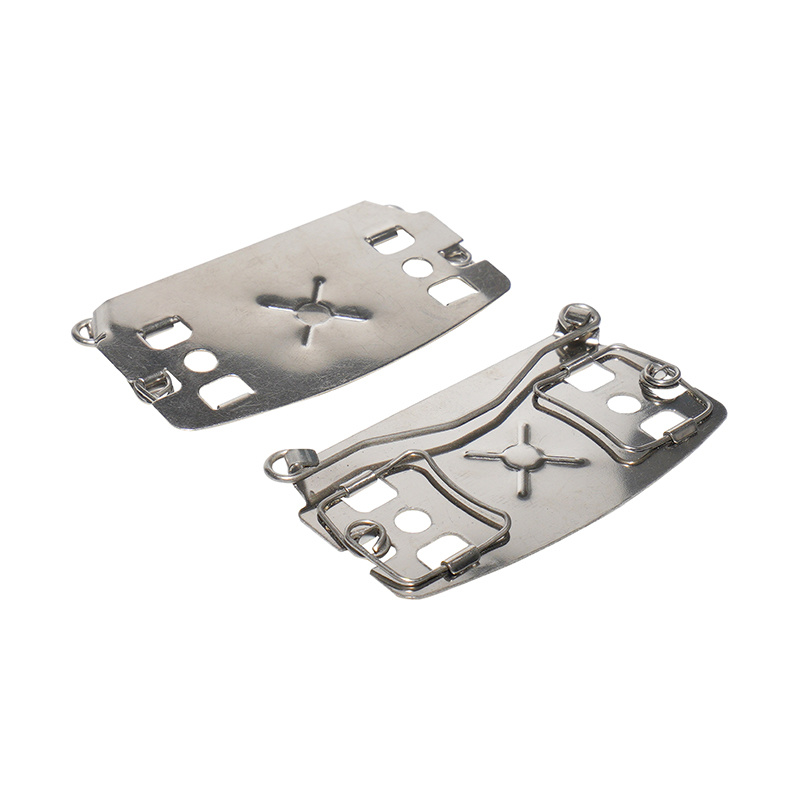
Benefits of Switching to RoHS Compliant Metal Parts in Machinery
Table of Contents
- 1. Understanding RoHS Compliance
- 2. Importance of RoHS Compliance in Manufacturing
- 3. Environmental Benefits of RoHS Compliant Metal Parts
- 4. Health and Safety Advantages
- 5. Regulatory Adherence and Market Access
- 6. Enhanced Reputation and Brand Loyalty
- 7. Cost-Saving Potential of RoHS Compliance
- 8. Future-Proofing Your Operations
- 9. Frequently Asked Questions
- 10. Conclusion
1. Understanding RoHS Compliance
The Restriction of Hazardous Substances (RoHS) directive is a critical regulation developed by the European Union aimed at limiting the use of specific hazardous materials in electrical and electronic equipment. These substances include lead, cadmium, mercury, and certain flame retardants. RoHS compliance signifies that the metal parts used in machinery do not contain these prohibited substances, ensuring that products are safer for both the environment and human health.
2. Importance of RoHS Compliance in Manufacturing
In today’s competitive landscape, manufacturers must prioritize RoHS compliance. This regulation is not merely a legal obligation; it encapsulates the growing demand for sustainable practices. By adhering to RoHS standards, companies can enhance their marketability and align with global sustainability goals. Compliance with RoHS is becoming increasingly necessary, especially for enterprises that aim to expand into markets that prioritize environmental responsibility.
3. Environmental Benefits of RoHS Compliant Metal Parts
Switching to RoHS compliant metal parts significantly reduces the negative environmental impact associated with hazardous substances. Traditional metal parts often contain harmful materials that can leach into the soil and water supply, causing pollution and health issues. RoHS compliant alternatives help minimize these risks by promoting the use of safer materials that are less damaging to the ecosystem. By opting for compliant components, manufacturers can play a vital role in protecting the environment, leading to a more sustainable future.
3.1 Reduced Waste in Production
One of the key environmental benefits of RoHS compliance is the reduction of waste produced during manufacturing processes. By eliminating hazardous substances, companies can streamline their operations, resulting in less scrap and more efficient use of resources. This reduction not only conserves raw materials but also lessens the burden on landfills, furthering sustainability efforts.
3.2 Promoting Recycling and Reusability
Another advantage of utilizing RoHS compliant metal parts is the enhanced ability to recycle and reuse materials. Many RoHS compliant materials are easier to process and have a higher recycling rate compared to their hazardous counterparts. This characteristic promotes a circular economy, where materials are repurposed, and waste is minimized.
4. Health and Safety Advantages
Utilizing RoHS compliant metal parts in machinery directly contributes to improved workplace safety. Hazardous substances can pose significant health risks to workers during manufacturing and handling processes. By eliminating these materials, companies can create a safer working environment, reducing the potential for exposure to toxic substances. This commitment to health and safety not only protects employees but also enhances overall productivity and morale.
4.1 Enhanced Worker Morale
A commitment to safety and compliance can lead to improved worker morale. Employees are more likely to feel valued and secure in their jobs when they know that their employers prioritize their health and safety. This positive workplace culture can translate into higher productivity and lower turnover rates.
5. Regulatory Adherence and Market Access
RoHS compliance is essential for manufacturers wishing to access markets that enforce stringent environmental regulations. Many countries and regions, including the EU, have adopted RoHS directives, and non-compliance can result in hefty fines, product recalls, and loss of market access. By ensuring that metal parts meet RoHS standards, manufacturers can confidently enter new markets and expand their customer base without the risk of regulatory hurdles.
5.1 Streamlined Compliance Processes
Transitioning to RoHS compliant materials can simplify compliance processes. With fewer hazardous materials to manage, manufacturers can focus on efficient production practices rather than navigating complex regulations. This streamlined approach not only saves time but also reduces the likelihood of costly compliance errors.
6. Enhanced Reputation and Brand Loyalty
Incorporating RoHS compliant metal parts into machinery can significantly enhance a manufacturer’s reputation. Today’s consumers are increasingly aware of environmental issues and are more likely to support companies that demonstrate a commitment to sustainability. By promoting their use of compliant materials, manufacturers can differentiate themselves in the marketplace, fostering brand loyalty among environmentally conscious customers.
6.1 Building Trust with Stakeholders
Beyond consumer perception, a commitment to RoHS compliance can build trust with stakeholders, including investors, suppliers, and regulatory bodies. Companies that prioritize sustainability are often viewed as more responsible and forward-thinking, making them attractive partners in the industry.
7. Cost-Saving Potential of RoHS Compliance
While there may be initial costs associated with transitioning to RoHS compliant metal parts, the long-term savings can be substantial. Reduced waste, lower production costs, and fewer regulatory penalties can lead to significant financial benefits. Additionally, companies that invest in sustainable practices may qualify for incentives or tax breaks, further enhancing their bottom line.
7.1 Improved Operational Efficiency
Switching to compliant components can also improve operational efficiency. With a focus on sustainable and safe materials, manufacturers can enhance their production processes, leading to faster turnaround times and reduced operational costs.
8. Future-Proofing Your Operations
The global manufacturing landscape is continually evolving, with increasing emphasis on sustainability and regulatory compliance. By transitioning to RoHS compliant metal parts, manufacturers can future-proof their operations against upcoming regulations and market shifts. Staying ahead of the curve not only secures a company’s position in the market but also prepares them for future innovations and challenges.
8.1 Adapting to Market Trends
As consumer preferences shift towards sustainability, manufacturers that prioritize RoHS compliance will be better positioned to adapt to market trends. This proactive approach can lead to greater market share and a competitive advantage.
9. Frequently Asked Questions
What does RoHS stand for?
RoHS stands for Restriction of Hazardous Substances. It is a directive that limits the use of specific hazardous materials in electrical and electronic equipment.
Why is RoHS compliance important for manufacturers?
RoHS compliance is important because it ensures that products are safe for consumers and the environment. It also helps manufacturers avoid legal penalties and access new markets.
How do RoHS compliant materials benefit the environment?
RoHS compliant materials reduce pollution, promote recycling, and minimize waste, contributing to a healthier planet.
What are the health benefits of using RoHS compliant parts?
Using RoHS compliant parts reduces the risk of exposure to hazardous substances, leading to a safer workplace and improved employee health.
Can RoHS compliance lead to cost savings?
Yes, RoHS compliance can lead to cost savings through reduced waste, improved efficiency, and potential tax incentives.
10. Conclusion
Transitioning to RoHS compliant metal parts in machinery offers a multitude of benefits that extend beyond mere compliance. From enhancing environmental sustainability and ensuring worker safety to improving market access and fostering brand loyalty, the advantages are clear. By prioritizing RoHS compliance, manufacturers position themselves for success in an increasingly eco-conscious market. Embracing these practices not only meets regulatory requirements but also aligns with a commitment to a sustainable and responsible future. As the manufacturing landscape continues to evolve, those who adapt will thrive, offering safer, more reliable products that resonate with today’s consumers.

Address:
NanPi County, Cangzhou City, Hebei Province
OEM
From precise design drawings, to rigorous production processes, to strict quality testing, we always uphold the spirit of ingenuity, the pursuit of every detail of the perfect. Our team has a wealth of industry experience and technical strength, according to your specific needs, to provide personalized customized services, to ensure that each product can meet your expectations.