

The Crucial Role of Precision Metal Stamping in Revolutionizing the Electronics Industry
The Crucial Role of Precision Metal Stamping in Revolutionizing the Electronics Industry Table of Contents What is Precision Metal Stamping? A Brief History of Metal Stamping Why Precision Metal Stamping is Vital for the Electronics Sector Benefits of Precision Metal Stamping in Electronics Manufacturing Key Applications of Metal Stamping in Electronics The Technology Driv
May 30,2026


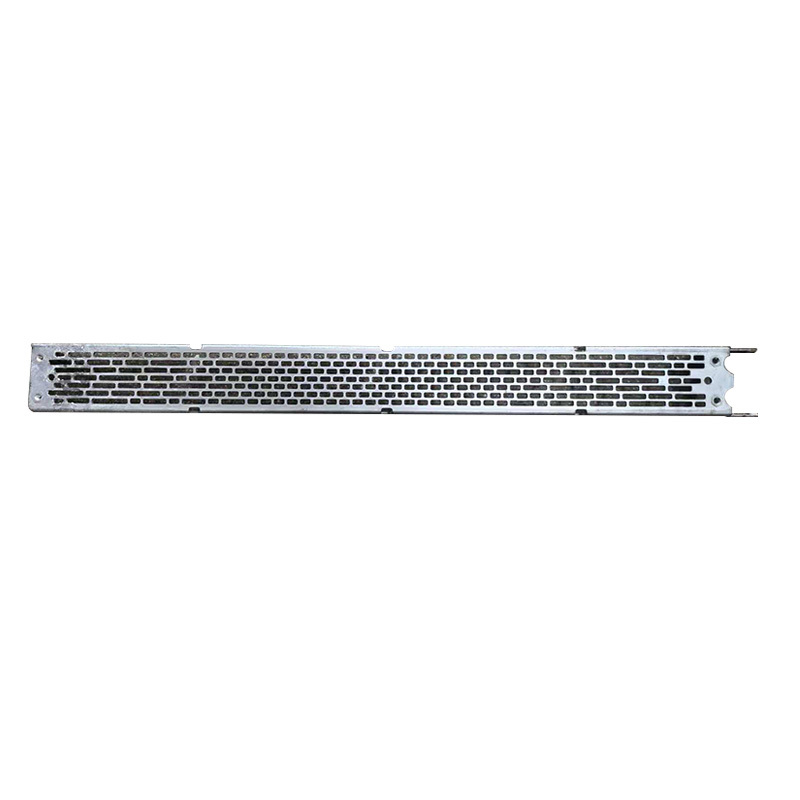
The Crucial Role of Precision Metal Stamping in Revolutionizing the Electronics Industry
Table of Contents
- What is Precision Metal Stamping?
- A Brief History of Metal Stamping
- Why Precision Metal Stamping is Vital for the Electronics Sector
- Benefits of Precision Metal Stamping in Electronics Manufacturing
- Key Applications of Metal Stamping in Electronics
- The Technology Driving Precision Metal Stamping
- Future Trends in Precision Metal Stamping
- Frequently Asked Questions
- Conclusion
What is Precision Metal Stamping?
Precision metal stamping is a manufacturing process that involves the shaping and cutting of metal sheets into specific forms using specialized dies and tools. This technique is widely recognized for its accuracy and consistency, allowing manufacturers to produce intricate designs with tight tolerances. In the electronics industry, where quality and precision are paramount, metal stamping plays a critical role in creating components that meet exact specifications.
A Brief History of Metal Stamping
The origins of metal stamping date back to the late 19th century. Initially used for simpler tasks, the process has evolved significantly with advancements in technology. As industries expanded, particularly after World War II, the demand for precision components grew. This led to the development of more sophisticated stamping techniques and machinery, enabling the creation of complex parts used in various sectors, including aerospace, automotive, and electronics.
Why Precision Metal Stamping is Vital for the Electronics Sector
The electronics sector relies heavily on precision metal stamping for several reasons:
- Quality and Consistency: The high level of precision achievable through metal stamping ensures each component meets strict quality standards.
- Cost Efficiency: Automated stamping processes reduce labor costs and production times, leading to lower overall manufacturing costs.
- Versatility: Metal stamping can produce a wide variety of shapes and sizes, making it adaptable for numerous electronic applications.
Benefits of Precision Metal Stamping in Electronics Manufacturing
The benefits of precision metal stamping extend beyond mere cost savings. Here are several key advantages that make it indispensable for the electronics industry:
Enhanced Product Quality
Precision metal stamping guarantees superior product quality by minimizing defects and ensuring uniformity across batches. This is crucial for electronic components that require reliability and durability.
Reduced Production Time
Automated stamping processes streamline production workflows, resulting in faster turnaround times. Manufacturers can meet tight deadlines without compromising quality.
Material Efficiency
Metal stamping optimizes material usage, reducing waste and promoting sustainability. Manufacturers can produce more components from the same amount of raw material, which is particularly beneficial in an industry where margins are thin.
Innovative Design Capabilities
The precision offered by metal stamping enables the creation of complex geometries that meet specific electronic requirements. This capability fosters innovation in product design, allowing engineers to experiment with new concepts without significant risk.
Key Applications of Metal Stamping in Electronics
Precision metal stamping finds extensive applications within the electronics industry. Some of the most prominent uses include:
Circuit Board Components
Punched and stamped metal parts are essential for circuit boards, providing the necessary connections for electronic circuits.
Connectors and Terminals
Metal stamping is used to create connectors and terminals that ensure reliable electrical connections in various devices, ranging from smartphones to industrial machinery.
Sensors and Switches
Precision stamped parts are pivotal in manufacturing sensors and switches that respond accurately to environmental changes or user inputs.
Enclosures and Housings
Stamping is also employed to create enclosures and housings that protect sensitive electronic components from damage and interference.
The Technology Driving Precision Metal Stamping
Modern precision metal stamping employs advanced technology that enhances both the efficiency and accuracy of the process. Some key technological advancements include:
Computer Numerical Control (CNC) Machines
CNC technology allows for unparalleled precision and repeatability in metal stamping. By programming machines to execute specific designs, manufacturers can achieve intricate shapes with minimal manual intervention.
Progressive Die Stamping
This technique involves multiple stations within a single machine, enabling manufacturers to create complex parts in one continuous process. Progressive die stamping enhances efficiency and reduces cycle times.
3D Printing and Prototyping
3D printing technology enables rapid prototyping of stamping dies, allowing for faster iterations and modifications during the design phase. This capability reduces time-to-market for new electronic products.
Future Trends in Precision Metal Stamping
As technology continues to evolve, so too will the practices surrounding precision metal stamping in the electronics sector. Anticipated trends include:
Increased Automation
The integration of robotics and AI in manufacturing processes will further enhance efficiency, reduce labor costs, and improve safety in stamping operations.
Smart Manufacturing
The rise of the Internet of Things (IoT) in manufacturing can lead to smarter production lines that monitor performance and optimize processes in real-time.
Sustainable Practices
With growing concerns about environmental impact, more manufacturers are expected to adopt sustainable practices, including waste reduction and energy-efficient stamping technologies.
Frequently Asked Questions
What materials can be used in precision metal stamping?
Common materials include stainless steel, aluminum, copper, and brass, each selected based on the specific requirements of the electronic components being produced.
How does precision metal stamping compare to other manufacturing processes?
Precision metal stamping is often more cost-effective and efficient than processes like machining or casting, especially for high-volume production runs.
What industries benefit from precision metal stamping?
In addition to electronics, industries such as automotive, aerospace, and medical devices utilize precision metal stamping for various components.
Is precision metal stamping environmentally friendly?
Yes, precision metal stamping can be environmentally friendly due to material efficiency, reduced waste, and opportunities for recycling scrap metal.
What advancements can we expect in the future of metal stamping?
Future advancements may include further automation, smart manufacturing techniques, and increased use of sustainable materials and practices.
Conclusion
Precision metal stamping is an essential process that significantly impacts the electronics sector. Its ability to produce high-quality, complex components efficiently and cost-effectively makes it an invaluable asset in manufacturing. As technology continues to evolve, the role of precision metal stamping is set to grow, leading to innovative applications and sustainable practices that will shape the future of manufacturing in electronics. Embracing these advancements will not only enhance product quality but also drive the industry toward greater efficiency and sustainability.

Address:
NanPi County, Cangzhou City, Hebei Province
OEM
From precise design drawings, to rigorous production processes, to strict quality testing, we always uphold the spirit of ingenuity, the pursuit of every detail of the perfect. Our team has a wealth of industry experience and technical strength, according to your specific needs, to provide personalized customized services, to ensure that each product can meet your expectations.