

Maximizing Efficiency: The Role of Stretch Expansion in Stamping Parts
Maximizing Efficiency: The Role of Stretch Expansion in Stamping Parts Table of Contents Introduction to Stretch Expansion in Stamping Parts Understanding Stretch Expansion Techniques The Importance of Stretch Expansion in Stamping Processes Key Benefits of Using Stretch Expansion Applications of Stretch Expansion in Various Industries Techniques for Implementing Stretch E
Sep 30,2025


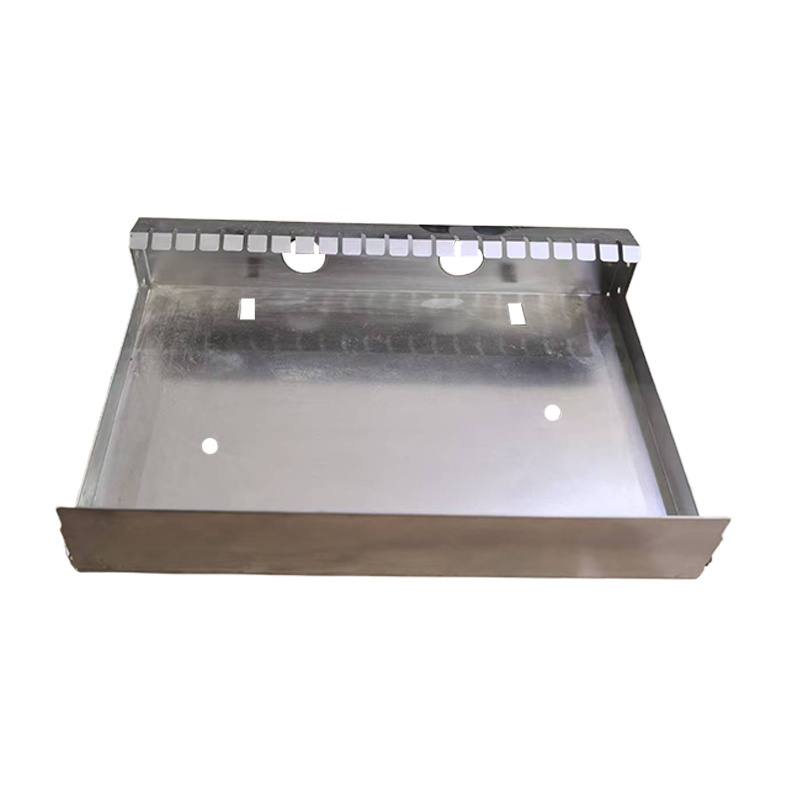
Maximizing Efficiency: The Role of Stretch Expansion in Stamping Parts
Table of Contents
- Introduction to Stretch Expansion in Stamping Parts
- Understanding Stretch Expansion Techniques
- The Importance of Stretch Expansion in Stamping Processes
- Key Benefits of Using Stretch Expansion
- Applications of Stretch Expansion in Various Industries
- Techniques for Implementing Stretch Expansion
- Challenges in Stretch Expansion and Proposed Solutions
- The Future of Stretch Expansion in Stamping Parts Manufacturing
- Conclusion
- Frequently Asked Questions (FAQs)
Introduction to Stretch Expansion in Stamping Parts
Efficient manufacturing processes are the backbone of modern industries, particularly in the realm of **stamping parts**. One such method that has gained significant traction is **stretch expansion**. This technique not only enhances the quality and precision of stamped components but also improves production efficiency. In this article, we will explore the concept of stretch expansion, its importance in stamping, and how it optimizes manufacturing processes.
Understanding Stretch Expansion Techniques
Stretch expansion involves manipulating the material to increase its size while maintaining its structural integrity. This process is essential for achieving specific dimensional requirements in stamped parts.
Principles of Stretch Expansion
Stretch expansion operates on fundamental principles of material science and mechanics. The primary focus is on the elongation and redistribution of material. When a metal sheet is subjected to stretching, it undergoes plastic deformation, resulting in a more uniform thickness and enhanced properties.
Types of Stretch Expansion Techniques
1. **Mechanical Stretching**: Utilizes mechanical forces to elongate the material.
2. **Hydraulic Stretching**: Employs hydraulic pressure to achieve desired shapes and sizes.
3. **Pneumatic Stretching**: Involves the use of air pressure for expansion.
These techniques can be applied in various settings, depending on the material and desired specifications.
The Importance of Stretch Expansion in Stamping Processes
In the stamping industry, the need for accuracy and efficiency is paramount. Stretch expansion plays a critical role in achieving these objectives.
Enhancing Material Properties
Stretch expansion enhances the mechanical properties of materials, including tensile strength and ductility. This leads to longer-lasting and more reliable components.
Improving Dimensional Accuracy
With precise control over material expansion, manufacturers can achieve tighter tolerances and improved dimensional accuracy. This precision is crucial for components that must fit together seamlessly in assembly processes.
Key Benefits of Using Stretch Expansion
Integrating stretch expansion into stamping processes offers numerous advantages that can significantly enhance manufacturing efficiency.
Increased Production Speed
By streamlining the expansion process, manufacturers can reduce cycle times and increase overall production speed. This efficiency can lead to substantial cost savings.
Enhanced Product Quality
Stretch expansion minimizes defects and inconsistencies in stamped parts. The uniformity achieved through this process results in higher-quality products that meet stringent industry standards.
Cost-Effectiveness
While initial investments in stretch expansion technology may be significant, the long-term savings associated with reduced waste, improved material utilization, and enhanced productivity can outweigh these costs.
Applications of Stretch Expansion in Various Industries
The versatility of stretch expansion techniques allows them to be applied across multiple industries, each with unique requirements.
Aerospace
In aerospace manufacturing, precision and weight reduction are critical. Stretch expansion techniques ensure lightweight components that meet rigorous safety standards.
Automotive
The automotive industry relies heavily on stamped parts, and the application of stretch expansion leads to improved fuel efficiency and reduced emissions through the use of lighter materials.
Electronics
In electronics manufacturing, stretch expansion techniques help create intricate components that require exact specifications for optimal performance.
Techniques for Implementing Stretch Expansion
To successfully implement stretch expansion in stamping processes, manufacturers should consider the following techniques.
Material Selection
Choosing the right materials is essential for effective stretch expansion. Metals with high ductility and tensile strength perform better under stretching conditions.
Process Optimization
Optimizing the stretching process through careful control of parameters such as temperature, pressure, and speed can significantly enhance results.
Quality Control Measures
Implementing strict quality control measures throughout the manufacturing process ensures that the final products meet the desired specifications and performance standards.
Challenges in Stretch Expansion and Proposed Solutions
Despite its benefits, several challenges may arise during the implementation of stretch expansion techniques.
Material Limitations
Not all materials are suitable for stretch expansion. Manufacturers must conduct thorough material assessments to identify the best candidates for this process.
Equipment Costs
The initial investment in specialized equipment for stretch expansion can be a barrier for some manufacturers. However, the long-term benefits often justify the cost.
Training and Expertise
Proper training and expertise are crucial for implementing stretch expansion techniques successfully. Investing in skilled personnel can enhance overall outcomes.
The Future of Stretch Expansion in Stamping Parts Manufacturing
As technology evolves, the future of stretch expansion looks promising. Advances in materials science, automation, and process control are expected to further enhance the efficiency and effectiveness of this technique in stamping operations.
Innovations in Stretch Expansion Technology
Emerging technologies, such as AI and machine learning, are poised to revolutionize how stretch expansion is implemented, leading to even greater efficiencies and product quality.
Sustainable Practices
With increased focus on sustainability, stretch expansion can contribute to reduced material waste and energy consumption, aligning with modern manufacturing goals.
Conclusion
In conclusion, **stretch expansion** plays a pivotal role in maximizing efficiency within the stamping parts manufacturing industry. By understanding its principles, benefits, and applications, manufacturers can take advantage of this technique to improve product quality, reduce costs, and enhance overall production efficiency. As technology continues to advance, the potential for stretch expansion to further revolutionize the industry is immense.
Frequently Asked Questions (FAQs)
1. What is stretch expansion?
Stretch expansion is a manufacturing technique that involves elongating materials to improve their shape, size, and mechanical properties.
2. How does stretch expansion impact the quality of stamped parts?
Stretch expansion enhances the uniformity, strength, and dimensional accuracy of stamped parts, resulting in higher-quality components.
3. What industries benefit from stretch expansion?
Industries such as aerospace, automotive, and electronics can greatly benefit from the application of stretch expansion techniques.
4. Are there any challenges associated with stretch expansion?
Yes, challenges may include material limitations, equipment costs, and the need for skilled personnel.
5. How can manufacturers implement stretch expansion effectively?
Manufacturers can implement stretch expansion by selecting suitable materials, optimizing processes, and adhering to strict quality control measures.
This comprehensive exploration of **stretch expansion** in stamping parts highlights its significance in enhancing manufacturing efficiency, quality, and sustainability. Embracing these practices ensures that businesses remain competitive in a rapidly evolving industry landscape.
The next one:

Address:
NanPi County, Cangzhou City, Hebei Province
OEM
From precise design drawings, to rigorous production processes, to strict quality testing, we always uphold the spirit of ingenuity, the pursuit of every detail of the perfect. Our team has a wealth of industry experience and technical strength, according to your specific needs, to provide personalized customized services, to ensure that each product can meet your expectations.