

The Future of Manufacturing: Innovations in Precision Forging Stamping Parts
The Future of Manufacturing: Innovations in Precision Forging Stamping Parts Table of Contents 1. Introduction to Precision Forging Stamping 2. Understanding Precision Forging 3. The Role of Stamping Parts in Manufacturing 4. Technological Advancements in Precision Forging 5. Sustainable Practices in Manufacturing 6. Benefits of Precision Forging Stamping Parts 7. Case
Oct 06,2025


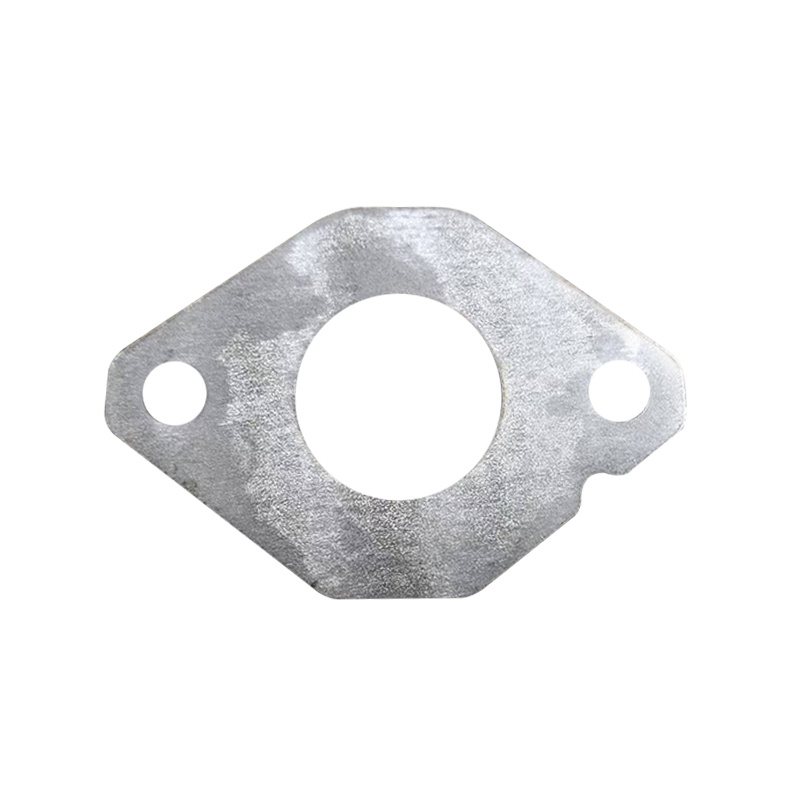
The Future of Manufacturing: Innovations in Precision Forging Stamping Parts
Table of Contents
- 1. Introduction to Precision Forging Stamping
- 2. Understanding Precision Forging
- 3. The Role of Stamping Parts in Manufacturing
- 4. Technological Advancements in Precision Forging
- 5. Sustainable Practices in Manufacturing
- 6. Benefits of Precision Forging Stamping Parts
- 7. Case Studies of Innovation in Precision Forging
- 8. Future Trends in the Manufacturing Industry
- 9. Frequently Asked Questions
- 10. Conclusion
1. Introduction to Precision Forging Stamping
In recent years, the manufacturing sector has experienced a seismic shift driven by technological advancements and innovative practices. Among these trends, **precision forging stamping parts** have emerged as a pivotal area of focus. This process not only enhances the quality and efficiency of manufacturing but also plays a critical role in ensuring the sustainability of production methods. By delving into the intricacies of precision forging, we can better understand its future implications for the manufacturing landscape.
2. Understanding Precision Forging
Precision forging is a carefully controlled process that involves shaping metal using compressive forces. This technique allows manufacturers to create parts with remarkable dimensional accuracy and surface finish. The process typically utilizes specialized dies and machinery, which are engineered to produce parts that meet stringent specifications.
Precision forging offers significant advantages over traditional metalworking methods, primarily due to its ability to produce complex shapes with minimal material waste. Additionally, the process enhances the mechanical properties of the metal, often resulting in stronger, more durable components.
2.1 Key Characteristics of Precision Forging
- **Dimensional Accuracy**: Precision forging achieves tighter tolerances than many other manufacturing processes, ensuring that each part is manufactured to exact specifications.
- **Material Efficiency**: This method minimizes waste by utilizing the exact amount of material required for each part.
- **Surface Quality**: The finished products often require little to no additional machining, thanks to the high-quality surface finishes achieved during forging.
- **Strength and Durability**: The forging process refines the metal structure, resulting in parts that exhibit enhanced mechanical properties.
3. The Role of Stamping Parts in Manufacturing
Stamping parts, a crucial component of precision forging, involve the use of dies to cut, shape, or form materials. This method is widely used in various industries, including automotive, aerospace, and electronics, due to its efficiency and versatility.
3.1 Benefits of Stamping Parts
- **High Production Rates**: Stamping processes can produce large quantities of parts in a short time frame, making it ideal for mass production.
- **Cost-Effectiveness**: The ability to produce complex shapes quickly reduces material costs and labor expenses.
- **Flexibility**: Stamping can be adapted to create a wide range of part sizes and shapes, accommodating diverse manufacturing needs.
4. Technological Advancements in Precision Forging
The integration of advanced technologies into precision forging processes has revolutionized the manufacturing landscape. Innovations such as automation, robotics, and smart manufacturing systems are driving efficiency and accuracy to new heights.
4.1 Automation in Precision Forging
Automation has become a game-changer in precision forging, allowing for consistent production rates and reduced labor costs. Automated systems can operate continuously, minimizing downtime and enhancing overall productivity.
4.2 The Role of Industry 4.0
The advent of Industry 4.0—characterized by the interconnectivity of machines and data—has enabled manufacturers to optimize their precision forging processes. By leveraging real-time data analytics, companies can monitor production in real-time, identify inefficiencies, and make informed decisions to enhance performance.
4.3 Robotics in Manufacturing
Robotic systems are increasingly being employed in precision forging to handle material transport, quality inspection, and other repetitive tasks. This not only improves precision but also significantly reduces the risk of human error.
5. Sustainable Practices in Manufacturing
As the manufacturing industry evolves, there is a growing emphasis on sustainability. Precision forging can contribute to environmentally friendly practices by reducing waste, energy consumption, and emissions.
5.1 Waste Minimization
Precision forging techniques inherently produce less scrap material compared to traditional methods. Manufacturers are continually seeking ways to further minimize waste through process optimization and innovative recycling techniques.
5.2 Energy Efficiency
With advancements in technology, modern forging equipment is designed to consume less energy while maintaining high productivity levels. This shift not only lowers operational costs but also reduces the carbon footprint of manufacturing processes.
6. Benefits of Precision Forging Stamping Parts
The benefits of precision forging stamping parts extend beyond mere production efficiency. These advantages include:
6.1 Enhanced Quality Assurance
Precision forged components are subject to rigorous quality control measures, ensuring that each part meets industry standards and customer expectations. This focus on quality translates to increased customer satisfaction and decreased product returns.
6.2 Cost Savings
Despite the initial investment in precision forging technology, the long-term cost savings achieved through reduced material waste, lower energy consumption, and decreased labor costs make it a financially viable option for manufacturers.
6.3 Improved Product Performance
Products manufactured using precision forging exhibit superior mechanical properties, resulting in components that can withstand higher stress, wear, and fatigue. This quality not only enhances the overall performance of the final product but also extends its lifespan.
7. Case Studies of Innovation in Precision Forging
Examining real-world examples of companies that have successfully implemented precision forging techniques can provide valuable insights into the future of manufacturing.
7.1 Case Study: Automotive Industry
In the automotive sector, manufacturers have increasingly adopted precision forging for critical components such as crankshafts and connecting rods. One notable case is that of a leading automotive manufacturer that introduced precision forging to reduce weight and enhance fuel efficiency without compromising strength.
7.2 Case Study: Aerospace Sector
The aerospace industry is another area where precision forging has made significant strides. By utilizing advanced forging techniques, aerospace manufacturers have been able to produce lighter, stronger parts that meet strict regulatory standards while also improving overall aircraft performance.
8. Future Trends in the Manufacturing Industry
As we look towards the future, several emerging trends are poised to shape the precision forging landscape:
8.1 Increased Use of Artificial Intelligence
AI is expected to play a critical role in optimizing precision forging processes. By analyzing data and predicting maintenance needs, AI can help manufacturers improve efficiency and reduce downtime.
8.2 Expansion of Additive Manufacturing
Integrating additive manufacturing techniques with precision forging could lead to new possibilities in creating complex parts with tailored properties. This hybrid approach has the potential to revolutionize the way components are designed and manufactured.
9. Frequently Asked Questions
9.1 What is precision forging?
Precision forging is a metal shaping process that uses compressive forces to create parts with high dimensional accuracy and quality.
9.2 How does precision forging differ from traditional forging methods?
Precision forging emphasizes tight tolerances and superior surface finishes, while traditional forging may not achieve the same level of accuracy.
9.3 What industries benefit from precision forging stamping parts?
Industries such as automotive, aerospace, electronics, and medical devices significantly benefit from precision forging due to its efficiency and high-quality output.
9.4 What are the environmental benefits of precision forging?
Precision forging reduces material waste, enhances energy efficiency, and lowers emissions, making it an environmentally friendly manufacturing option.
9.5 How can manufacturers implement automation in precision forging?
Manufacturers can integrate automated systems for tasks such as material handling, quality control, and production monitoring to enhance efficiency and reduce costs.
10. Conclusion
As we navigate the future of manufacturing, it is clear that **innovations in precision forging stamping parts** will play a pivotal role in shaping the industry's landscape. The combination of advanced technology, sustainable practices, and a focus on quality positions precision forging as a cornerstone of modern manufacturing. By embracing these innovations, manufacturers can not only improve efficiency and reduce costs but also contribute positively to the environment and meet the demands of an ever-evolving market. The future of manufacturing is bright, and precision forging is leading the way.

Address:
NanPi County, Cangzhou City, Hebei Province
OEM
From precise design drawings, to rigorous production processes, to strict quality testing, we always uphold the spirit of ingenuity, the pursuit of every detail of the perfect. Our team has a wealth of industry experience and technical strength, according to your specific needs, to provide personalized customized services, to ensure that each product can meet your expectations.