

CNC Milling vs. Turning: Which Method is Best for Your Manufacturing Needs?
CNC Milling vs. Turning: Which Method is Best for Your Manufacturing Needs? Table of Contents 1. Introduction to CNC Machining 2. Understanding CNC Milling 2.1 Definition and Process of CNC Milling 2.2 Advantages of CNC Milling 2.3 Common Applications of CNC Milling 3. Understanding CNC Turning 3.1 Definit
Oct 07,2025


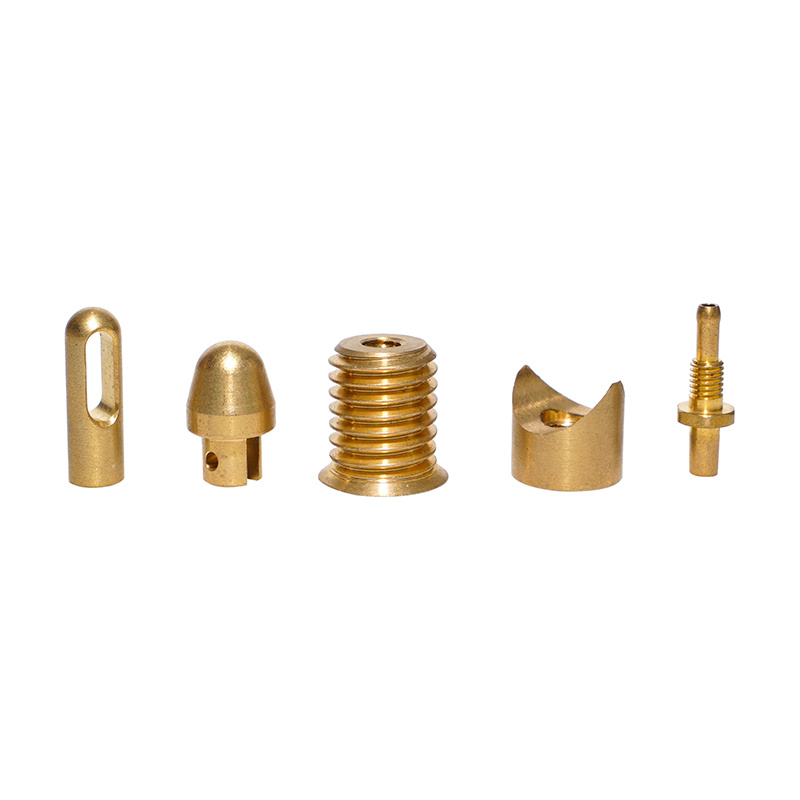
CNC Milling vs. Turning: Which Method is Best for Your Manufacturing Needs?
Table of Contents
- 1. Introduction to CNC Machining
- 2. Understanding CNC Milling
- 2.1 Definition and Process of CNC Milling
- 2.2 Advantages of CNC Milling
- 2.3 Common Applications of CNC Milling
- 3. Understanding CNC Turning
- 3.1 Definition and Process of CNC Turning
- 3.2 Advantages of CNC Turning
- 3.3 Common Applications of CNC Turning
- 4. CNC Milling vs. Turning: A Comprehensive Comparison
- 5. How to Choose the Right Method for Your Needs
- 6. FAQs about CNC Milling and Turning
- 7. Conclusion
1. Introduction to CNC Machining
In the world of manufacturing, precision and efficiency are critical. **CNC (Computer Numerical Control)** machining has revolutionized the way parts are manufactured, allowing for high levels of accuracy and repeatability. Two of the most commonly used CNC methods are **milling and turning**. Understanding the distinctions between these processes is key to determining which method will best serve your manufacturing needs.
2. Understanding CNC Milling
2.1 Definition and Process of CNC Milling
CNC milling is a machining process that utilizes rotary cutters to remove material from a workpiece. This method can produce a wide range of shapes and features, such as slots, holes, and contours. The workpiece is typically mounted on a table and moved in multiple directions relative to the cutting tool, which can be adjusted for depth and speed.
2.2 Advantages of CNC Milling
CNC milling offers numerous benefits:
- **Versatility**: Capable of producing complex and intricate shapes.
- **Precision**: High tolerance levels ensure that parts meet specific design criteria.
- **Efficiency**: Automated processes reduce manufacturing time and labor costs.
- **Material Variety**: Can work with a wide range of materials, including metals and plastics.
2.3 Common Applications of CNC Milling
CNC milling is widely used in various industries, including:
- Aerospace: For manufacturing components like brackets and housings.
- Automotive: To create intricate parts, such as engine mounts.
- Medical: Producing precision instruments and implants.
3. Understanding CNC Turning
3.1 Definition and Process of CNC Turning
CNC turning involves rotating a workpiece while a stationary cutting tool shapes it. The process typically results in cylindrical parts, as the workpiece is spun on a lathe. This method is ideal for creating items such as shafts and bolts.
3.2 Advantages of CNC Turning
CNC turning also comes with its own set of advantages:
- **High Speed**: Ideal for producing large volumes of cylindrical parts quickly.
- **Simplicity**: Straightforward setup and operation make it user-friendly.
- **Less Waste**: Efficient material removal minimizes scrap.
- **Consistent Quality**: Automated processes lead to uniformity in production.
3.3 Common Applications of CNC Turning
Typical applications for CNC turning include:
- Oil and gas: Manufacturing components like valves and fittings.
- Furniture: Producing wooden legs and spindles.
- Electronics: Creating precision connectors and housings.
4. CNC Milling vs. Turning: A Comprehensive Comparison
4.1 Precision and Accuracy
While both CNC milling and turning offer high levels of precision, **milling** is typically more suited for complex shapes with tight tolerances, whereas **turning** excels in creating cylindrical features with consistent dimensions.
4.2 Tooling and Setup
CNC milling requires various tools for different operations, which can lead to longer setup times. In contrast, CNC turning generally requires fewer tools, allowing for a quicker setup and reduced downtime.
4.3 Material Compatibility
CNC milling can accommodate a broader range of materials compared to turning. However, turning is particularly effective for materials that lend themselves to rotational processing, such as metals and certain plastics.
4.4 Cost Considerations
Cost can be a decisive factor when choosing between milling and turning. The complexity of the part, material costs, and machine time all play a role in determining the final expense. Generally, milling may incur higher costs due to tooling and complexity, while turning tends to be more economical for mass production of simple parts.
5. How to Choose the Right Method for Your Needs
Selecting between CNC milling and turning largely depends on the specifics of the project at hand. Consider the following factors:
- **Part Geometry**: If your design features numerous complex shapes, CNC milling is likely the best choice. For cylindrical parts, CNC turning is more appropriate.
- **Material**: Review the materials required for your project and ensure they are compatible with the chosen machining process.
- **Production Volume**: For high-volume production of simple parts, CNC turning may provide lower costs and faster turnaround times.
- **Budget Considerations**: Assess your budget and be realistic about the costs associated with both methods, including tooling, setup, and machine time.
6. FAQs about CNC Milling and Turning
What is the main difference between CNC milling and turning?
The primary difference lies in the motion of the cutting tool and workpiece. In milling, the tool rotates while the workpiece is stationary, allowing for the machining of complex shapes. In turning, the workpiece rotates against a stationary tool, producing cylindrical parts.
Which method is more cost-effective?
CNC turning is generally more cost-effective for producing high volumes of simple, cylindrical parts. CNC milling may be more expensive due to its versatility and complexity.
Can CNC milling and turning be used together?
Yes, many manufacturing processes utilize both CNC milling and turning to achieve the desired shape and dimensions, leveraging the strengths of each method.
What types of materials can be machined using CNC milling and turning?
Both CNC milling and turning can work with a variety of materials, including metals, plastics, and composites, though some materials may be more suited to one process over the other.
How do I know which CNC method is right for my project?
Evaluate factors such as part geometry, material requirements, production volume, and budget to determine which CNC machining method best fits your specific manufacturing needs.
7. Conclusion
In summary, both CNC milling and turning are essential processes in modern manufacturing, each with its unique strengths and applications. By understanding the differences, advantages, and appropriate contexts for each method, manufacturers can make informed decisions that enhance production efficiency and product quality. Whether you need intricate components or simple cylindrical parts, selecting the right CNC machining method will play a crucial role in the success of your manufacturing endeavors.

Address:
NanPi County, Cangzhou City, Hebei Province
OEM
From precise design drawings, to rigorous production processes, to strict quality testing, we always uphold the spirit of ingenuity, the pursuit of every detail of the perfect. Our team has a wealth of industry experience and technical strength, according to your specific needs, to provide personalized customized services, to ensure that each product can meet your expectations.